
The Role of Aromatherapy in Early Stress Management
Aromatherapy serves as a natural approach to mitigating stress, utilizing essential oils for mental wellness. Stress management is crucial, especially in a fast-paced world where daily pressures are ever-present. By focusing on aromatherapy, individuals can unlock a plethora of benefits associated with the soothing properties of natural scents. Various essential oils, such as lavender and chamomile, work to elevate mood and decrease anxiety levels. When inhaled, these pleasant aromas trigger responses in the brain, particularly in the limbic system, influencing emotions positively. Moreover, using essential oils in combination with relaxation techniques like deep breathing enhances their benefits. Diffusion methods allow multiple scents to be dispersed in the air, creating a calming atmosphere suitable for meditation or yoga. In individual applications, incorporating essential oils into baths or massages can significantly amplify relaxation effects and improve overall mental health. Research indicates that individuals exposed to pleasant scents experience decreased heart rates and lower blood pressure. This suggests that effective stress management through aromatherapy also has physiological benefits, effectively preventing stress from becoming overwhelming and unmanageable in daily life.
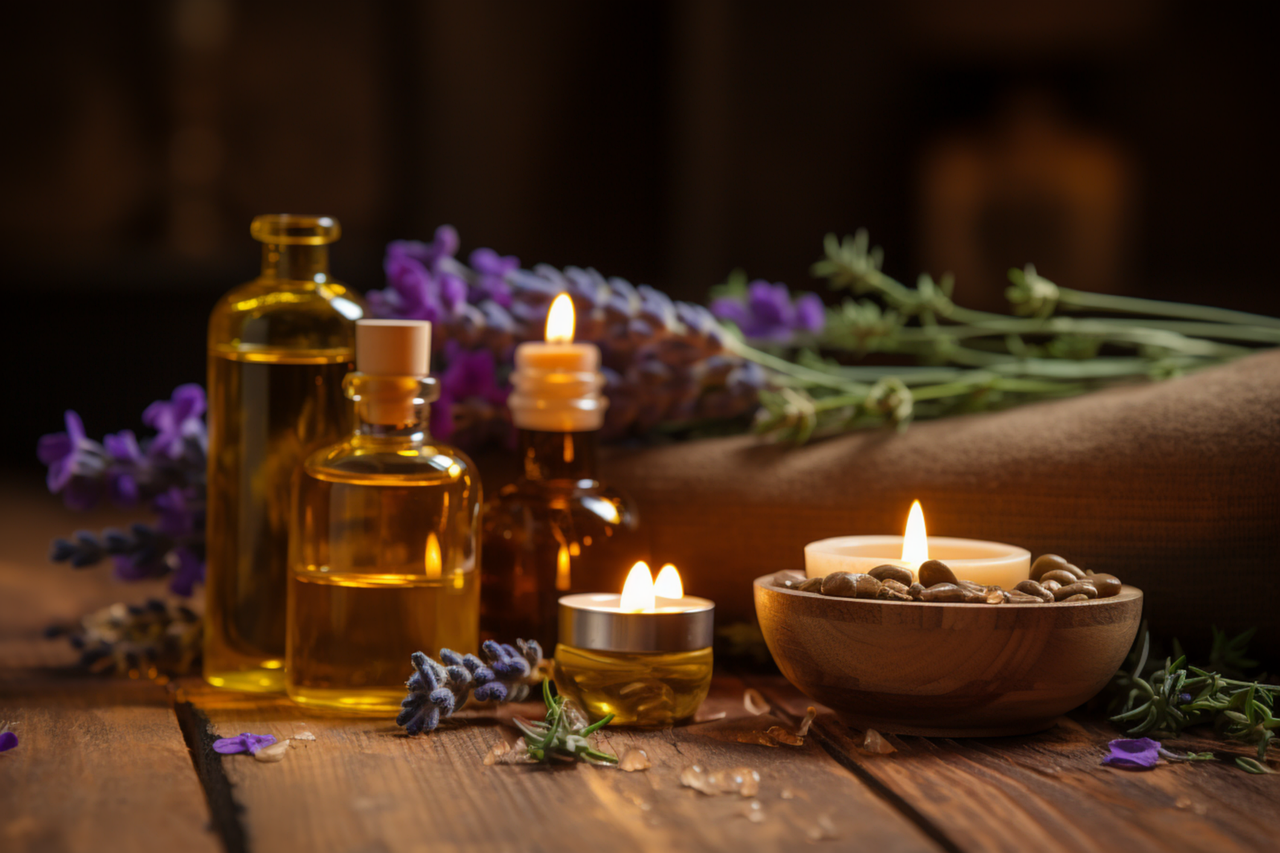
Understanding the specific oils beneficial for stress management can shape your approach to therapy. For instance, eucalyptus and lemon essential oils are commonly used to refresh the mind and promote clarity. To practically implement aromatherapy, consider creating a personalized blend of calming oils suited to your preferences. Begin with a few drops of lavender oil, known for its tranquilizing effects, mixed with bergamot oil, which can lift the spirit. You can easily incorporate these mixes into a diffuser designed for essential oils to fill your space with their relaxing fragrances. Additionally, aromatherapy roll-ons provide convenience for on-the-go relief during stressful situations, allowing you to apply scents directly to pulse points. The versatility of aromatherapy also extends to everyday objects, such as using scented candles or potpourri to enhance the ambiance in your home. Embracing aromatherapy not only promotes relaxation but also encourages mindfulness, further solidifying its role in preventing stress. As you formulate your aromatherapy practices, keep track of how specific scents affect your mood and stress levels to refine your blend over time for optimal results.
Effectiveness of Aromatherapy Techniques
Evaluating the effectiveness of aromatherapy necessitates an understanding of various techniques available for stress relief. One of the most popular techniques includes aromatherapy massage, where essential oils are diluted in carrier oils and applied to the skin. The rhythmic strokes of massage combined with the aromatic scents promote relaxation on both physical and mental levels. Another technique involves inhalation, where essential oils are breathed in via a diffuser or directly from the bottle. This method is especially effective in immediately altering mood and reducing tension. Creating a peaceful environment is crucial, so adopting practices like using aromatherapy during bath time can enhance relaxation and further decrease stress by providing a sanctuary for self-care. Additionally, the use of dried herbal sachets, filled with calming herbs such as lavender or rose petals, can be placed around your home for constant scent diffusion. Likewise, pillow sprays meant for bedtime can facilitate restful sleep, further aiding in stress management. By incorporating these techniques into your daily routine, you can effectively harness the potential of aromatherapy as a supportive tool in dealing with stress and anxiety.
Establishing a consistent aromatherapy routine greatly influences stress management outcomes. Consider designating specific times throughout your day to engage with aromatherapy, such as morning rituals or pre-bedtime relaxation sessions. Morning applications may include invigorating scents like peppermint or citrus oils to energize the mind and enhance focus. Conversely, adopting calming scents like jasmine or frankincense during evening routines can create a peaceful environment conducive to winding down. Keeping an aromatherapy journal to track scent usage and feel free can enhance the understanding of which scents resonate best with your needs. Moreover, creating a comfortable space filled with cherished belongings, soft lighting, and your favorite oils can reinforce relaxation techniques. Surrounding yourself with familiar smells can alleviate feelings of tension and promote emotional well-being consistently. As you design your aromatherapy experience, the mind-body connection becomes increasingly powerful, paving ways to combat stress before it escalates into larger issues. A holistic approach that encompasses regular engagement with these techniques can yield long-term positive results and foster healthier stress management strategies.
Choosing Quality Essential Oils
The quality of essential oils is paramount when considering their use for stress management. High-quality oils, typically organic and free from synthetic additives, provide the best therapeutic benefits. When purchasing essential oils, always seek trusted brands that adhere to quality standards. Reading labels can help you discern if the oils are 100% pure and sourced from reputable growers. Aromatherapy enthusiasts often recommend conducting patch tests to ensure skin compatibility before using oils in massages. Additionally, exploring local health stores and farmers’ markets may provide access to small-batch, artisanal oils that are crafted with care and intention. Engage with knowledgeable staff or aromatherapists who can guide your selections based on specific needs for stress relief. Timing and storage of essential oils also play critical roles in their efficacy, so verify the packaging is designed to protect from light and heat. When stored correctly, pure essential oils can last for months or even years, making them worthwhile investments for mental wellness. Investing in quality oils translates into more effective application methods and ultimately promotes a consistent practice that can significantly reduce stress.
Combining aromatherapy with other stress management practices can lead to a synergistic effect that enhances overall well-being. Integrating techniques like mindfulness or yoga with aromatherapy creates a holistic experience, allowing you to tap into multiple avenues of relaxation. For instance, you might use calming oils during yoga sessions, incorporating deep breathing patterns with soothing scents. This creates a sanctuary of sights, sounds, and scents combined to combat stress effectively. Furthermore, practicing gratitude while diffusing uplifting scents can cement positive thoughts and refocus the mind away from stressors. Aromatherapy can even be tailored to enhance creative endeavors; for artists and writers, keeping inspiring scents nearby can stimulate creativity while alleviating anxiety. Ensure your environment remains clutter-free and calming to maximize the impact of aromatherapy and its accompanying activities. Building community rituals, such as sharing the experience of aromatherapy with friends, can reinforce emotional connections that provide additional support in stress management. The combination of these practices allows a deeper exploration of aromatherapy, transforming it into a multifaceted tool for achieving mental clarity and emotional balance.
Conclusion: Long-Term Benefits of Aromatherapy
The long-term benefits of incorporating aromatherapy into your stress management routine are substantial. Regular engagement not only alleviates immediate stress but also promotes a healthier lifestyle. Research indicates that consistent use may facilitate better sleep patterns, emotional resilience, and even improved immune function. Building a habitual relationship with scents that evoke calm creates a solid foundation for maintaining a balanced mind. As stressors arise in daily life, both big and small, having an arsenal of aromatherapy options empowers you to address these challenges mindfully. Over time, as you become more attuned to the scents that resonate with you, accessing relaxation becomes intuitive. You may notice that increased awareness leads to better stress responses, reducing the intensity and frequency of stress reactions. Additionally, educating yourself about the emotional and physiological impacts of various essential oils strengthens your connection to aromatherapy. In summary, taking a proactive approach through aromatherapy helps shape a more balanced life, allowing you to face challenges with grace and composure while cultivating a brighter perspective on stress management.
In our fast-paced society, the need for effective stress management strategies cannot be overstated. Aromatherapy emerges as an appealing tool, providing both gentle and potent remedies for emotional challenges. Embracing the vibrant world of essential oils provides avenues for individuals to prioritize their mental health. By exploring the depth of aromatherapy, we can cultivate richer, more fulfilling lives that promote resilience in the face of adversity. Stress management offers not only immediate relief but also supports long-term mental wellness. The growing body of research supporting the efficacy of these natural remedies further underscores their significance. Trained aromatherapists can provide personalized guidance, enhancing your journey towards better mental health through scent. As awareness of mental health grows, integrating aromatherapy into daily routines can create tangible change. Diffusing scents, engaging in mindful practices, and ascribing importance to self-care all contribute to a more balanced life. Taking time to explore the healing potential of aromatherapy transforms everyday experiences into opportunities for growth and discovery. Ultimately, nurturing a relationship with our emotional well-being and using aromatherapy can forge a healthier path amidst the chaotic nature of life.