
How Technology Can Help Monitor and Prevent Injuries in Adaptive Fitness
Adaptive fitness is a growing field focused on providing tailored exercise solutions to individuals with disabilities. One critical aspect in adaptive fitness is injury prevention. This is where technology plays an essential role, helping track, monitor, and reduce injury risks through advanced tools and systems. Technologies such as wearable devices can assess fatigue levels, identify areas at risk of injury, and provide real-time feedback to instructors and users. Understanding how technology can enhance training is pivotal for participants with unique requirements.
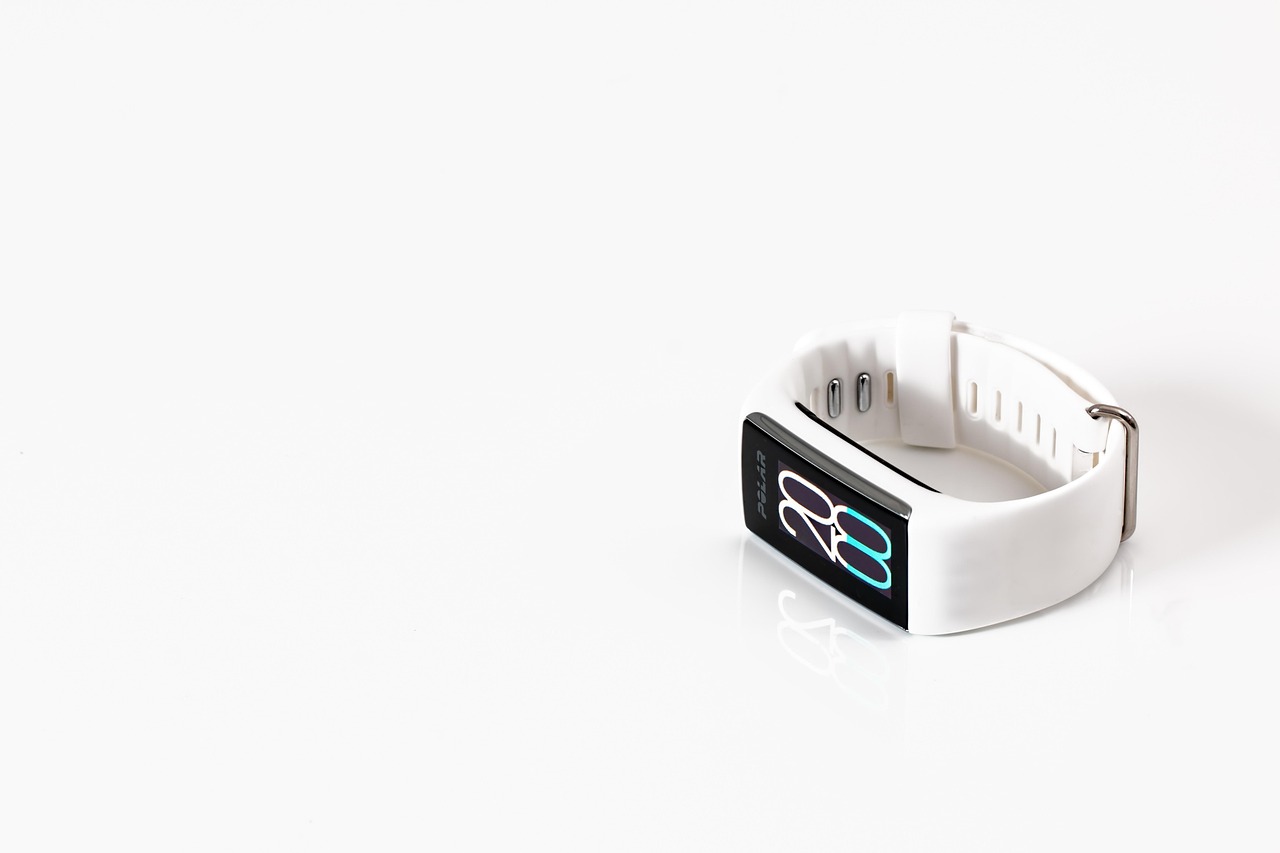
Wearable technology has transformed how we approach fitness and rehabilitation. Devices such as fitness trackers and smartwatches collect valuable data, helping adaptive fitness trainers create personalized regimens. Through continuous monitoring, trainers can adjust workout plans according to users’ performances and physical limits. Advanced analytics from these devices can indicate when an individual may be overexerting themselves. Additionally, wearables can alert caregivers in case of anomalies, allowing for timely interventions. The convergence of data and adaptive fitness is a significant step toward safeguarding individuals from injuries.
Another impressive innovation is the development of mobile applications specifically designed for adaptive fitness. These apps often include features enabling users to record their workouts, track progress, and share data with trainers. Many apps also provide instructional videos tailored to various disabilities, ensuring users can perform exercises safely. Some applications feature monitoring capabilities, alerting users if their exertion levels exceed safe limits. Moreover, apps encourage adherence to fitness routines by setting reminders. Harnessing the power of technology in fitness promotes a healthier and injury-free lifestyle.
Virtual Reality: A New Frontier in Injury Prevention
Virtual reality (VR) is another groundbreaking technology making waves in adaptive fitness. VR environments can simulate various exercise activities while allowing users to engage in a safe space. They can practice movements without the fear of replating real-world consequences if an accident occurs. By recreating different scenarios, users can build strength, balance, and coordination, all while appropriate guidance is provided. Trainers can use VR to demonstrate techniques and correct users’ forms, minimizing the risk of strain or injury. Virtual training makes fitness accessible and safe.
Additionally, telehealth platforms extend the reach of adaptive fitness programs. These platforms connect individuals with fitness professionals, allowing for remote assessment and coaching. Trainers can monitor clients’ progress from afar, utilizing technology to develop injury prevention strategies. These coaches can suggest modifications based on real-time feedback and performance data, ensuring safety and proper form. Telehealth offers convenience, allowing users from varied backgrounds access to expertise from anywhere. It fosters a nurturing environment while ensuring participants manage their injuries effectively.
Smart home equipment is gradually becoming part of the adaptive fitness landscape, with innovations like interactive gym machines catering to diverse needs. These machines often come equipped with sensors and AI to assess and guide users. They can offer personalized feedback and adjust resistance automatically, ensuring user safety. Advanced machines can send alerts to trainers when they detect signs of fatigue or improper postures. Emphasizing user safety creates a proactive approach to injury management in a controlled environment, elevating the effectiveness of adaptive fitness programs.
Conclusion: Embracing Technology in Adaptive Fitness
In closing, technology holds significant potential for preventing injuries in adaptive fitness through risk assessment, real-time monitoring, and personalized interventions. The implementation of wearables, mobile apps, VR systems, and smart home equipment enhances the overall workout experience. By leveraging these advancements, trainers can support users more effectively, creating injury prevention strategies while promoting engagement in fitness activities. As we continue to witness innovations in this sector, it is essential to embrace and integrate these technologies into adaptive fitness programs, maximizing benefits for everyone involved.
Ultimately, the focus should be on creating safe environments tailored to each individual’s needs, making fitness accessible to everyone. With sustained efforts and commitment to leveraging technology, the odds of preventing injuries among individuals with disabilities will significantly improve. Understanding its potential empowers trainers, users, and support systems to take necessary precautions, embracing adaptive fitness as a viable option for promoting health and wellness. The future looks promising; as technology evolves, the capacity for injury prevention in adaptive fitness will too.