
Stress from Lack of Physical Activity: Recognizing and Counteracting It
Unquestionably, the modern lifestyle promotes sedentary behavior, which has led to increased stress levels among individuals. Not engaging in physical activity typically results in a buildup of stress that can affect mental health negatively. The physical body needs regular movement to function optimally, promoting the release of neurotransmitters like endorphins. These chemicals foster a sense of well-being. When physical activity is neglected, this natural release diminishes, forcing stress levels to rise. Furthermore, this change can lead individuals to develop various unhealthy coping mechanisms, such as overeating and drinking excessively, exacerbating stress. Understanding how a lack of exercise contributes to anxiety and stress is crucial for managing these issues. Lack of movement interrupts sleep patterns, leaving one fatigued and irritable. The dual impact on mental and physical health underscores the necessity for regular exercise. Undertaking just a few minutes of walking or stretching throughout the day can give immediate benefits, creating a positive feedback loop that combats stress. Integrating physical activity creatively into daily routines can transform stress management significantly.
Understanding the Effects of Sedentary Life
An unmistakable relationship exists between inactivity and stress. When we lead a sedentary lifestyle, the body can experience increased levels of cortisol, commonly known as the stress hormone. Consequently, elevated cortisol levels can lead to a series of health issues, both physical and mental. Chronic stress is known to create feelings of anxiety and depression, which can be further worsened by inactivity. In essence, inactivity and stress can create a vicious cycle. When we’re stressed, the desire to exercise diminishes, leading to further inactivity. It’s alarming; therefore, to realize that the current societal norms often prioritize desk jobs and sitting over movement. Moreover, everyday habits typically involve spending significant amounts of time in front of screens, contributing to this sedentary lifestyle. It is important for individuals to recognize the detrimental effects of such choices and actively seek ways to incorporate movement into their daily lives. Practical solutions include standing up during work calls or having walking meetings. By recognizing the connection between stress and inactivity, individuals can take their first steps towards a healthier, more fulfilling lifestyle.
To combat the harmful effects of stress linked to lack of physical activity, engaging in regular workouts is essential. Notably, any physical exercise can serve as an antidote to stress by releasing endorphins into the bloodstream. These endorphins act as natural painkillers and mood elevators, leading to improved mental states. Additionally, everyone doesn’t need to run marathons; even a consistent routine of light activities, such as walking or yoga, can significantly enhance overall well-being. Joining a local gym can also provide much-needed motivation, allowing individuals to be surrounded by similarly focused people who encourage movement. Group classes offer social support and friendly competition, which may improve adherence to regular exercise. Furthermore, setting clear yet achievable goals can give direction and cultivate a sense of accomplishment. This practice can help in counteracting stress-related feelings of inadequacy. Additionally, scheduling workout time as an unmissable meeting on your calendar can foster accountability. Ultimately, finding joy in physical movement is crucial. Explore dances, sports, or adventurous activities that ignite passion and enthusiasm, making exercise a fun part of life rather than a chore. So, look for various ways to keep moving every day.
Integrating Movement into Daily Life
Simple strategies can seamlessly introduce more movement into your everyday routine. For example, try taking the stairs instead of the elevator, showcasing a commitment to staying active. This small change not only improves physical fitness but can also lift your mood almost instantly. Additionally, consider incorporating stretching and light exercises during breaks, which serve to recharge both body and mind. Instead of sitting during lunch breaks, opting for a short walk in nature can rejuvenate the spirit. Even walking to work or parking further away from your destination can inject extra movement throughout your day. These small behaviors collectively contribute to an active lifestyle that alleviates stress. Another recommended practice is to invest in a standing desk to minimize prolonged sitting. This allows for more activity throughout the day while maintaining productivity. Furthermore, playing with kids or pets presents an enjoyable way of integrating fun workouts into daily life. It’s essential to make such movements a habit, rather than a special event, to establish healthy routines. Explore neighborhood recreational activities or classes focused on community involvement, which can yield immense physical and mental rewards while enhancing social connections.
Furthermore, it is essential to understand the psychological factors tied to exercise and stress relief. For many, the initial motivation to begin exercising often wanes; thus, identifying personal reasons for pursuing a fitness lifestyle becomes vital. Developing a resilient mindset fosters the ability to overcome hurdles related to starting or maintaining a fitness routine. Always remember the rewards offered by consistent exercise, such as improving your mood and managing stress. Moreover, establishing a supportive network can significantly help sustain motivation in overcoming these challenges. Finding workout partners or joining classes can elevate accountability while creating a sense of community. Moreover, being part of a group can assist individuals in remaining dedicated to their fitness goals. Additionally, adopting a positive attitude towards physical activity can transform the experience from a negative force to a liberating and exciting endeavor. Recognizing the progress made, however small, contributes positively to mental health, fostering feelings of achievement. Celebrate these accomplishments along the way to avoid burnout or fatigue. Ultimately, maintaining a healthy lifestyle that prioritizes movement is instrumental in effectively counteracting stress and enhancing well-being.
Seeking Professional Guidance
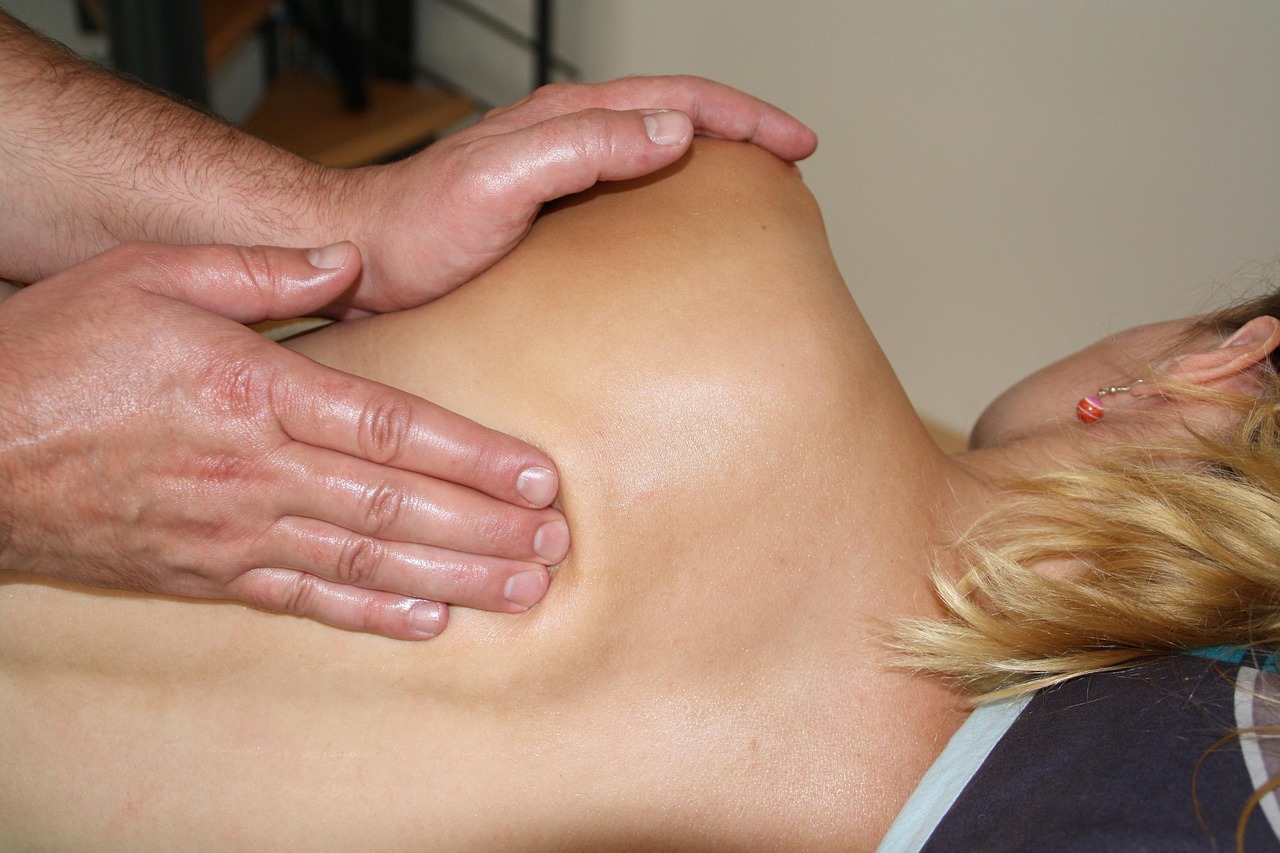
Sometimes, professional guidance can be beneficial for managing stress caused by inactivity. Consulting with fitness trainers or physical therapists can lead to personalized plans tailored to individual capabilities and interests. Such guidance may help in overcoming initial barriers associated with starting an exercise routine, especially for individuals new to fitness. In addition, contacting a mental health professional can significantly improve reasons for engaging in physical activities that promote stress management. Various methods exist to address stress alleviation through physical activity, including therapy incorporating movement techniques. It can be focused and tested over time to find what works best for you. Furthermore, approaches such as mindfulness or meditation can complement physical activity to provide holistic stress management solutions. Deep breathing exercises combined with strolls can enhance focus and calm the mind, which is crucial when battling stress. One particular route is engaging in nature-based therapies, which can connect the mind and body powerfully for rejuvenating effects. Exploring community resources, such as local workshops focused on health, can empower individuals by focusing on the overall happiness and fulfillment that stems from an active lifestyle.
Overall, managing stress through physical activity is vital as more individuals confront the challenges posed by today’s sedentary lifestyles. In particular, being proactive in seeking methods to integrate movement can create significant changes both mentally and physically. Setting realistic goals, fostering new routines, and finding enjoyable activities are essential parts of the process. Doing so not only contributes to decreased stress levels but also enhances overall quality of life. Such efforts lead individuals toward resilience against future stressors, promoting sustained health and well-being. Over time, individuals can observe the remarkable impact that commitment to incorporating physical activity regularly has on their lives. A tremendous benefit is improved mental clarity and focus, allowing individuals to navigate life’s uncertainties with increased confidence. Moreover, the supportive friendships developed in the process can enhance overall happiness, forging a stronger community with shared aspirations. Additionally, remember that everyone’s journey is unique; be patient with oneself as one discovers the best practices to combat stress through movement. The journey toward better stress management should be perceived as an opportunity for personal growth and fulfillment.
Conclusion
In conclusion, addressing stress from a lack of physical activity is crucial in today’s society. Physical activity plays a monumental role in maintaining mental health and emotional flexibility, providing numerous health benefits. Recognizing the signs of stress resulting from inactivity allows individuals to tackle the issues head-on. Emphasizing even small amounts of movement can help counteract negative emotions associated with stress. The cumulative effect of incorporating physical activity into daily life not only improves physical well-being but fosters mental resilience and a positive outlook on life. As individuals navigate life’s adversities, they must remain open to exploring diverse ways to integrate more movement into their routines. Furthermore, making conscious choices and commitments to exercise can manifest profound lifestyle changes over time. Seek joy in the activities you engage in to alleviate stress instead of viewing exercise as a burden. It is important to not only focus on results but also on the journey itself. Surrounding oneself with positive influences and creating enjoyable experiences with others can propel the practice of physical activity forward. Ultimately, sustaining a healthier lifestyle ensures ongoing stress management, contributing to a more balanced, fulfilling life.