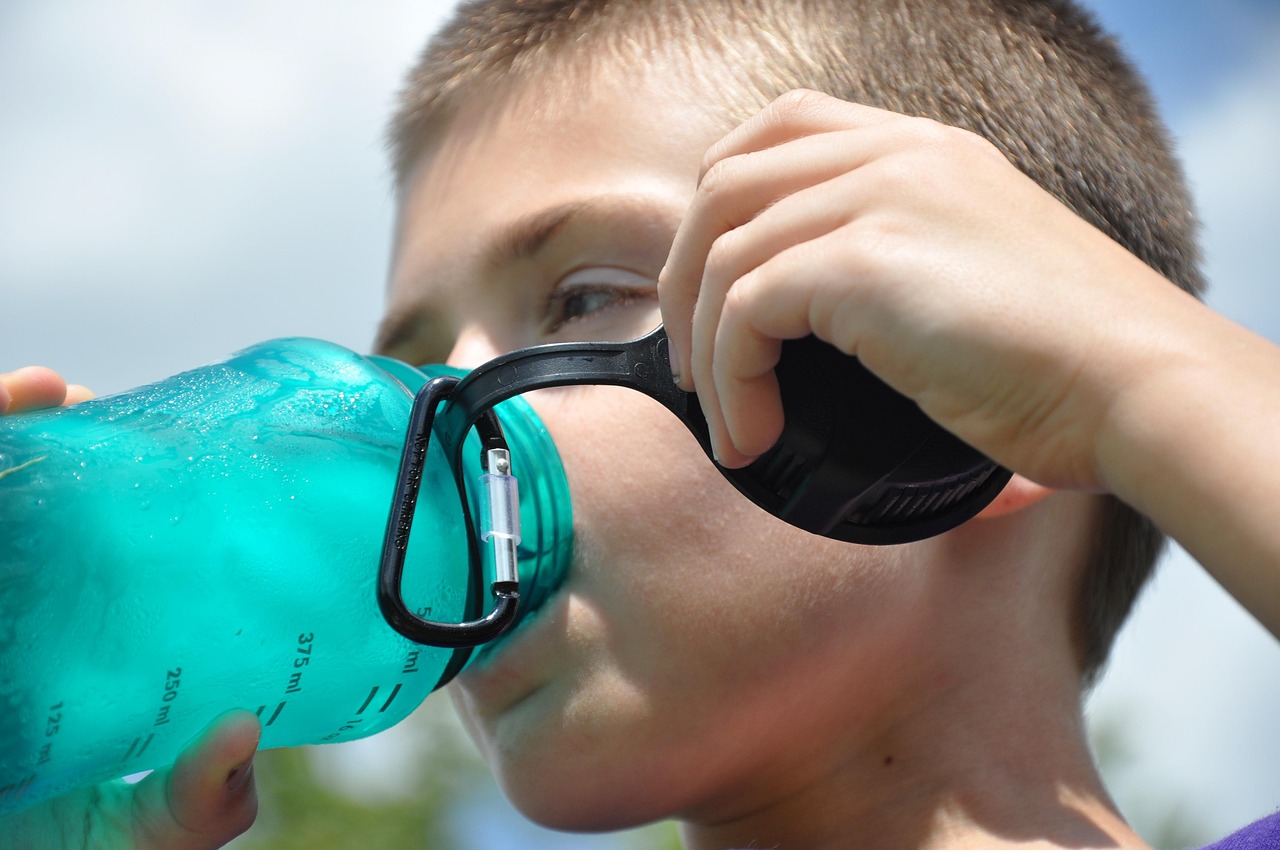

Hydration Strategies for Athletes Preparing for Competition
Effective hydration strategies are paramount for athletes who are preparing for competition. Proper hydration plays a role not only in performance but also in recovery and overall health. Athletes need to understand their specific hydration needs based on their sport, body size, and environmental conditions. It’s essential to create a personalized hydration plan that considers how much fluid is lost through sweat and how those losses can be compensated. Pre-competition hydration typically involves ensuring that the athlete starts the event well-hydrated, aiming for clear or light-colored urine as a sign of optimal hydration. Water alone might not be sufficient, especially for endurance events where electrolytes are lost. In such cases, sports drinks containing sodium, potassium, and carbohydrates can offer valuable benefits. Additionally, testing hydration strategies during training sessions is important to determine what works best under similar competition conditions. Athletes should avoid trying new hydration strategies on competition day to prevent potential gastrointestinal distress. Monitoring body weight before and after training can also help assess hydration status and guide fluid intake decisions. Hydration strategies may very well be the key to peak performance.
During the days leading up to competition, hydration strategies become increasingly critical for athletes. As the event approaches, maintaining consistent fluid intake is essential to ensure the body is operating at maximum efficiency. Athletes should focus on consuming a balanced combination of water and electrolyte-rich beverages. One effective method is to spread fluid intake throughout the day, rather than consuming large amounts at once. This approach minimizes the risk of bloating and enhances absorption. Encourage athletes to carry a water bottle and take small sips regularly to keep hydration levels steady. Integrating foods with high water content, such as fruits and vegetables, can also contribute positively to overall hydration efforts. Foods like watermelon, oranges, and cucumbers provide hydration along with essential nutrients. Moreover, it’s beneficial for athletes to become familiar with their individual hydration needs. Keeping a hydration log can help track fluid intake and output, prompting athletes to adjust their strategies where necessary. Lastly, understanding the impact of altitude, weather, and temperature can further guide hydration strategies. These external factors can significantly affect fluid requirements leading up to the competition.
Hydration During Competition
Hydration strategies during competition are crucial for sustaining performance levels. Athletes should have a plan in place to replenish fluids regularly throughout the event. Depending on the duration and intensity of the competition, hydration breaks can be strategically timed. Athletes participating in high-intensity or long-duration sports, such as marathon running or cycling, need to consume fluids every 15 to 20 minutes. During these breaks, it’s recommended to drink not only water but also electrolyte solutions that replace lost salts. Choosing a beverage with carbohydrates can provide additional energy to maintain performance. It’s vital for athletes to practice drinking during training to establish a routine for competition day. Athletes should cultivate a preference for specific drinks or flavors that keep them motivated to hydrate. Portable hydration options, such as belts or pack systems, make accessing fluids easier during competition. Furthermore, athletes should be aware of the signs of dehydration, which can include fatigue, dizziness, and decreased performance. Staying ahead of hydration needs can help prevent these issues from impacting competition performance. Understanding when and how much to drink is a critical factor in an athlete’s overall competition success.
Post-competition hydration is just as vital as pre-competition and in-competition strategies. Once the event concludes, athletes lose significant amounts of fluids that need to be replenished to assist recovery. It is during this critical period that careful attention should be paid to hydration to prevent any long-term fatigue or dehydration. The goal is to replace the fluids lost during the event, ideally within two hours post-competition. Includes a mix of water and electrolyte-rich drinks can aid in replenishing lost salts and help restore balance. Chocolate milk is often recommended for recovery due to its unique combination of carbohydrates and protein which supports muscle repair. Athletes should also assess their individual hydration needs based on weight loss experienced during competition, with a general guideline being to drink approximately 1.5 times the amount of weight lost during the event. This may mean consuming over 24 ounces of fluid per pound lost. Ultimately, proper post-competition hydration minimizes fatigue, supports physical recovery, and prepares athletes for subsequent training sessions or competitions. Ensuring athletes recognize the importance of replenishing fluids is vital to their overall performance.
Signs of Dehydration Athletes Should Monitor
Recognizing the signs of dehydration is essential for athletes preparing for competition. Dehydration can negatively impact performance, mood, and recovery. Common symptoms to watch for include thirst, dry mouth, lack of urine, dark-colored urine, fatigue, and dizziness. Athletes should self-monitor these signs throughout their preparation, competition, and recovery phases. Regular hydration assessments, such as checking urine color and volume, can help gauge hydration status. Athletes should aim for pale yellow urine, indicating proper hydration levels. Furthermore, fatigue may not solely stem from physical exertion but can also result from inadequate hydration. Therefore, athletes must stay attuned to their bodies, recognizing that thirsty feelings may indicate they are already dehydrated. Understanding personal needs is unique to every athlete, so they should not rely solely on thirst as an indicator for fluid intake. Instead, creating a proactive hydration schedule based alongside their training and events provides improved results. Monitoring weight before and after physical activities also offers insightful data on fluid loss, prompting necessary adjustments in hydration strategies. Ultimately, remaining vigilant against dehydration signs can keep athletes strong and prepared.
Nutrition and hydration go hand in hand when it comes to supporting athletic performance. Nutrition choices can directly influence hydration levels, making it essential for athletes to prioritize a balanced diet alongside their fluid intake. Foods rich in micronutrients, such as potassium and magnesium, support muscle function and hydration. Additionally, meals containing carbohydrates can help retain water within the body, proving beneficial for hydration. Athletes should prioritize incorporating fruits and vegetables that are high in water content, such as spinaches and strawberries, into their daily diet. Consuming nutrient-dense meals, combined with adequate hydration, paves the way for enhanced performance. On days leading up to an event, athletes should focus on eating whole foods that provide sustained energy alongside keeping hydrated. Avoiding excessive caffeine and alcohol consumption is also crucial, as these substances can act as diuretics, increasing fluid loss. Instead, athletes should look for nutrient-dense snacks that contribute positively to their hydration and overall well-being. One example might include trail mix with fruits and nuts that support energy balance while also providing hydration assistance. Ultimately, optimal hydration and nutrition create a synergistic effect that enhances competitive performance.
Conclusion: Importance of Hydration Strategies
In conclusion, hydration strategies are an indispensable element in an athlete’s preparation for competition. Understanding individual hydration needs, recognizing signs of dehydration, and maintaining a consistent fluid intake are crucial for optimal performance. By integrating effective hydration techniques, athletes can significantly enhance their chances of success during competitions. Developing personalized hydration plans is necessary to ensure that the unique demands of different sports or events are met. Adequate hydration not only supports performance but also aids recovery post-event. Monitoring urine color and weight can give athletes a clear picture of their hydration status and allow for timely adjustments. Furthermore, fueling the body with proper nutrition complements hydration efforts, leading to better overall performance. Athletes should embrace the importance of this dynamic relationship, using it as a tool for competitive advantage. It is crucial for athletes to implement and test their hydration strategies leading up to events to optimize their plan. Bridging the gap between hydration and athletic performance is essential for all competitive athletes. Hydration strategies, when prioritized, can ensure readiness to face the challenges of competition head-on.