
Pilates Workouts Tailored for Athletes to Boost Core Power
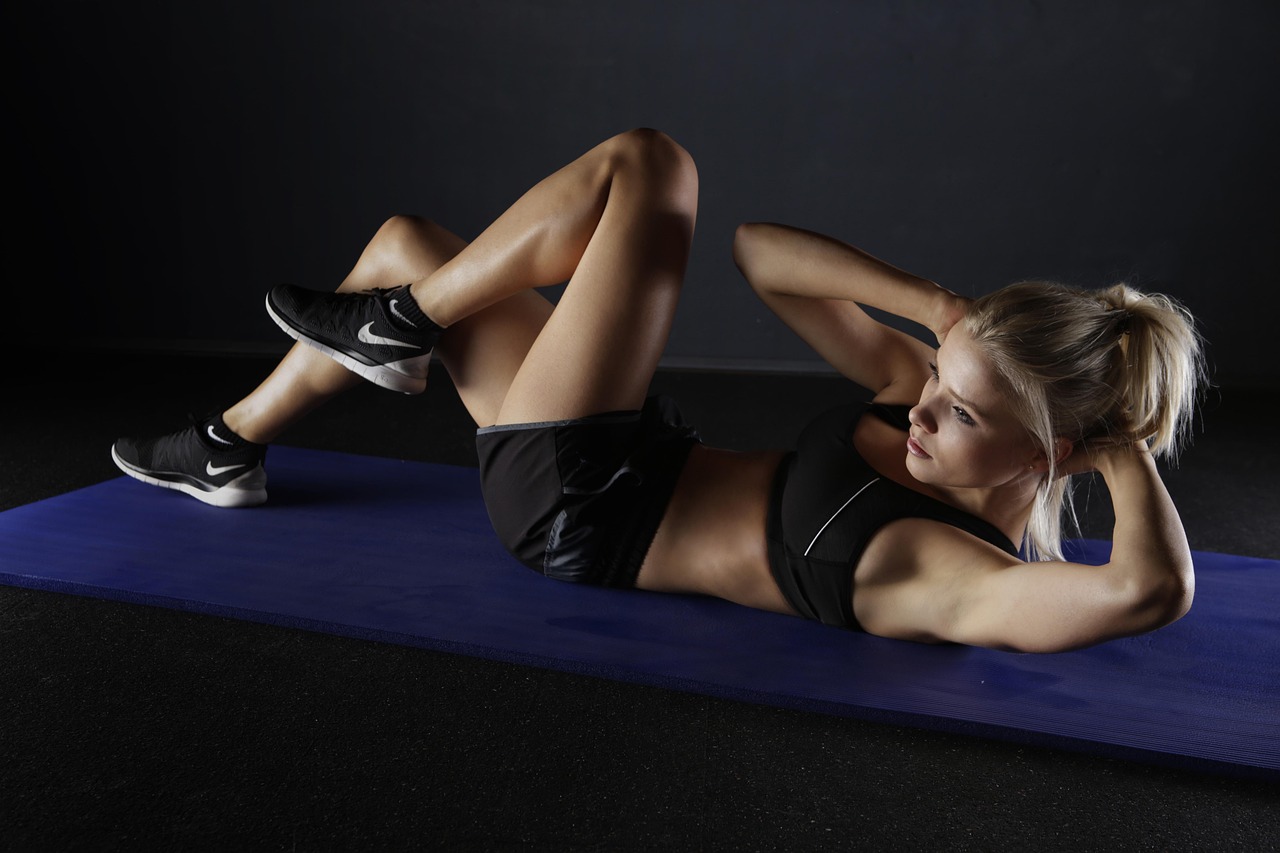
Pilates has become an essential part of athletes’ training regimens, focusing on developing core strength and stability. Athletes from various sports, including running, cycling, and swimming, integrate Pilates into their routines to enhance performance. The workouts effectively target the muscles of the abdomen, lower back, hips, and pelvis, creating a strong foundation. This foundation helps in achieving better balance and posture, pivotal for improved athletic performance. Moreover, Pilates promotes flexibility, boosting range of motion crucial for athletes. By engaging in Pilates, athletes can recover more effectively from injuries by focusing on core alignment and strength. Enhanced muscle control gained through Pilates translates to improved sports skills, allowing athletes to perform at their best. These workouts emphasize precision, coordination, and breathing techniques, fostering a mindful approach to training that benefits both mental and physical aspects. As a result, athletes who incorporate Pilates into their training experience a significant edge in their performance levels. It is advisable to seek guidance from a certified Pilates instructor to tailor the workouts to individual athletic needs and goals.
In addition to its physical benefits, Pilates offers psychological advantages integral to athletic performance. The practice encourages mental focus and discipline, essential traits for athletes aiming for peak performance. Concentration during Pilates routines teaches athletes how to connect their mind and body effectively. This mental connection is vital when facing competition and performing under pressure. Therefore, athletes develop the ability to maintain composure, focus, and determination. Furthermore, breathing techniques taught in Pilates help reduce stress and anxiety, allowing athletes to remain calm during high-pressure situations. Incorporating these methods into daily training can enhance overall mental toughness, ultimately reflecting in improved performance. Integrating Pilates into an athlete’s routine is beneficial in developing a well-rounded foundation. Core strength gained through Pilates translates directly to stability and power in various sports activities. The approach of performing controlled movements with an emphasis on alignment can aid in developing body awareness crucial for any athlete. Tailoring workouts specifically for athletes ensures that they receive targeted core strengthening exercises that align with their sport. In doing so, athletes can expect to see quality improvements in their skills and the ability to execute more complex movements with greater ease.
The Role of Core Stability in Athletic Performance
Core stability is the key to enhancing athletic performance, providing power and essential support during physical activities. A strong core helps athletes maintain proper posture, balance, and coordination. Pilates workouts enhance core stability with each exercise, strengthening not only the visible abdominal muscles but also the deeper layers essential for stability. By engaging these muscle groups, athletes can improve their efficiency in sports, achieving better performances while reducing the risk of injury. A strong core supports proper spinal alignment and helps generate the power needed for functions like sprinting or jumping. This means that whether you’re on the field, track, or even in the gym, having a developed core allows you to execute moves more fluidly and with purpose. Furthermore, core stability affects every movement; the stronger the core, the more effective each part of the body can perform individually. Pilates focuses on lengthening and strengthening muscles through slow and controlled movements, enhancing stability without adding excessive bulk. Thus, athletes who engage in Pilates see significant improvements in strength and performance, boosting their overall athletic experience.
Specific Pilates exercises can significantly contribute to overall core strength, making them ideal for athletes. Exercises such as the “Plank,” “Teaser,” and “Saw” develop engagement in the core while also promoting muscle endurance. The “Plank” builds core endurance and stability, allowing athletes to hold their positions correctly during sporting activities. The “Teaser” further engages the core, promoting balance and control. Meanwhile, the “Saw” enhances rotational strength, crucial for athletes involved in throwing or swinging sports. These exercises can be modified for varying difficulty levels, making them suitable for athletes of all types and skill levels. To maximize core workouts, athletes should aim for consistency in their Pilates sessions. A regular practice imbues core strength that athletes can rely upon during performance, particularly in high-stress, competitive environments. Moreover, involving recovery elements into Pilates routines, such as stretching and mobility exercises, allows athletes to maintain their range of motion. Effective recovery ensures muscles remain ready for subsequent training sessions. Thus, Pilates becomes a comprehensive regimen integrating both strength and recovery elements, essential for any athlete aiming for optimal performance.
Prioritizing Pelvic Alignment for Improved Strength
Pelvic alignment is another critical aspect of Pilates that greatly contributes to core strength for athletes. Proper pelvic alignment helps ensure that the body functions optimally during sports activities. When the pelvis is aligned correctly, it allows for seamless transitions between movements while promoting functional strength. Pilates exercises emphasize pelvis positioning throughout each routine, aiding athletes in understanding and reinforcing proper alignment. Improved pelvic alignment aids in creating a stable base for all dynamic movements, translating into better performance. Moreover, focusing on pelvic positioning has substantial implications for injury prevention as well. Misalignment can lead to imbalances and strains, which can hinder an athlete’s ability to perform efficiently. By reinforcing correct alignment, athletes are educated on proper form, mitigating the risks of injuries. Incorporating pelvic alignment principles learned from Pilates into daily routines can also enhance body awareness, enabling athletes to identify issues before they worsen. Exploring focused exercises that engage the pelvic floor alongside the core facilitates a deeper understanding of how vital pelvic health is to overall athletic well-being.
In conclusion, integrating Pilates workouts into athletic training is essential for maximizing core power and overall performance. Pilates enhances core strength through targeted exercises, improves posture and balance, and aids in injury prevention. These workouts empower athletes with improved body control and flexibility, essential for any sport. Moreover, the mind-body connection fostered by Pilates enhances focus, thereby boosting performance during training and competition. By implementing consistent practice, athletes can experience an increase in endurance and stability, essential elements in their discipline. The variety of exercises available means Pilates can be adaptable to the specific needs of different sports, making it a universal tool for all athletes. To fully reap the benefits, consultation with a qualified instructor can help tailor workouts accordingly, ensuring that the unique physical requirements of each sport are met. Additionally, prioritizing recovery elements within workouts can enhance overall athletic capability and performance. With time and practice, athletes can develop a robust core, leading to the successful execution of complex movements in their respective sports. Overall, Pilates can be a game-changer in athletic training programs.
Athletes looking to incorporate Pilates into their routine should consider various factors to ensure effectiveness. First, set realistic goals based on current core strength and fitness levels. Identifying areas for improvement can help formulate a targeted Pilates plan. Additionally, consistently tracking progress can help athletes stay motivated and on course. Incorporating Pilates alongside traditional athletic training maximizes overall physical performance. Athletes should also pay attention to their nutrition, as fueling the body correctly enhances performance and recovery. Proper hydration, balanced meals, and supplementation where necessary should coincide with Pilates training for optimal results. Finally, finding a supportive community, whether through classes or online platforms, can foster motivation and resilience in an athlete’s journey. Engaging with like-minded individuals helps reinforce commitment to the program. Continuous learning about movement patterns through Pilates also paves the way for long-term growth in an athlete’s career. Ultimately, combining the principles of Pilates with other training elements leads to an athlete’s overall strength, flexibility, and mental fortitude.
In conclusion, integrating Pilates workouts into athletic training is essential for maximizing core power and overall performance. Pilates enhances core strength through targeted exercises, improves posture and balance, and aids in injury prevention. These workouts empower athletes with improved body control and flexibility, essential for any sport. Moreover, the mind-body connection fostered by Pilates enhances focus, thereby boosting performance during training and competition. By implementing consistent practice, athletes can experience an increase in endurance and stability, essential elements in their discipline. The variety of exercises available means Pilates can be adaptable to the specific needs of different sports, making it a universal tool for all athletes. To fully reap the benefits, consultation with a qualified instructor can help tailor workouts accordingly, ensuring that the unique physical requirements of each sport are met. Additionally, prioritizing recovery elements within workouts can enhance overall athletic capability and performance. With time and practice, athletes can develop a robust core, leading to successful execution of complex movements in their respective sports. Overall, Pilates can be a game-changer in athletic training programs.