
Exercise, Hormones, and Their Combined Effect on Hair Growth
Hair growth is a complex process influenced by various factors, including hormones and lifestyle. Exercise impacts hormonal balance, which can significantly affect hair growth rates. Engaging in regular physical activity can improve blood circulation, delivering essential nutrients and oxygen to hair follicles. This boost in circulation is vital for maintaining healthy hair growth cycles. Exercise also plays a role in reducing stress hormones like cortisol, which can contribute to hair thinning or loss. Moreover, engaging in exercise can stimulate the production of growth hormones that enhance hair vitality. Hormonal health is crucial, as imbalances can lead to negative effects on hair. This article explores the intricate relationship between exercise and hormonal health, particularly focusing on hair growth. Research suggests that engaging in aerobic exercises, strength training, and activities like yoga can lead to improved hormone levels and, consequently, a healthier scalp environment. Consistent exercise can enhance overall physical health, mental well-being, and improved hormonal function, directly linking to the quality and quantity of hair. Maintaining fitness as part of one’s daily regimen is advisable for those looking to optimize hair health through hormonal regulation.
Additionally, nutrition plays a fundamental role in enhancing the effects of exercise on hormonal health and hair growth. The foods we consume directly impact hormonal levels, which in turn can influence hair growth positively or negatively. For example, a balanced diet rich in proteins, vitamins, and healthy fats can support hormonal balance. Foods high in omega-3 fatty acids, such as fish and nuts, can promote hair thickness and shine. Vitamins like biotin, vitamin D, and iron are essential for hair follicle health and can often be incorporated into a dietary plan. Regular exercise combined with a nutrient-rich diet creates a synergistic effect on hormones, aiding in the optimization of hair growth. Staying hydrated is also vital; hydration affects skin health and metabolism, further influencing hair health. Certain supplements can also be beneficial if dietary intake may be lacking. However, it is crucial to consult healthcare professionals before starting any supplement regime. Understanding the hormonal influence on hair growth allows individuals to make informed lifestyle choices that promote healthy hair. Therefore, combining exercise, nutrition, and hydration can create a robust approach to hair health that has far-reaching effects.
Hormonal fluctuations experienced during different life stages are significant factors affecting hair growth. For instance, women undergo hormonal changes related to menstruation, pregnancy, and menopause, which can lead to noticeable shifts in hair texture and growth patterns. During pregnancy, women often experience healthier hair due to elevated hormone levels. In contrast, menopause may bring about hair thinning due to decreased estrogen levels. Understanding how these hormonal cycles affect hair can empower individuals to take proactive strategies in maintaining hair vitality. Additionally, incorporating specific exercises can help alleviate some hormonal impacts. For example, regular strength training can enhance estrogen balance and may mitigate menopausal symptoms. Similarly, aerobic exercises such as jogging and cycling can help regulate testosterone levels, which can also influence hair health in both men and women. Engaging in practices that promote hormonal health can be very beneficial for maintaining optimal hair growth. Overall, recognizing the connection between hormonal changes and hair growth enables individuals to adapt their health strategies accordingly, embracing practices that can enhance their hair health through understanding and managing their hormones effectively.
Types of Exercises Beneficial for Hormonal Health
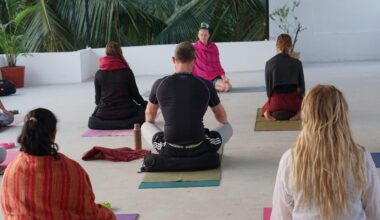
Several types of exercises can provide the necessary hormonal balance that aids in promoting hair growth. Aerobic exercises, such as running, swimming, or cycling, are known to enhance cardiovascular health and improve blood circulation to the hair follicles. Moreover, these exercises help manage stress levels, which can be beneficial in regulating hormones such as cortisol. Strength training is another essential type of exercise that helps in muscle building and enhances overall hormonal balance. It can stimulate the release of anabolic hormones such as testosterone and growth hormone, both important for healthy hair growth. High-Intensity Interval Training (HIIT) is also gaining popularity for its efficiency in boosting metabolic rate and promoting hormonal health with minimal time commitment. Activities like yoga and Pilates are excellent for promoting relaxation and stress reduction, which can positively affect hormone levels. Including a variety of exercise types in a routine ensures that different muscles are engaged and that the hormonal benefits are maximized. Developing a balanced workout regimen tailored to individual preferences can create lasting benefits for hair health while supporting overall well-being.
Moreover, the mental aspect of exercise cannot be overlooked when discussing hormonal health and hair growth. Exercise is proven to release endorphins which improve mood and reduce stress. Lower stress levels lead to a balanced hormonal environment, thereby preventing hair loss associated with high cortisol levels. Exercise also improves sleep quality, another factor that regulates hormones. Adequate sleep is crucial for recovery and hormone regulation, which in turn affects hair health. Engaging in mindful practices such as meditation, alongside regular exercise, can further enhance stress reduction and hormonal balance. Finding enjoyment in physical activities ensures adherence to a healthy exercise routine, resulting in long-term benefits. Incorporating community-based activities like group fitness classes can also enhance motivation, fostering a social environment that supports mental health and hormonal equilibrium. Thus, creating a holistic approach to fitness, one that values mental well-being alongside physical activity, is key. By prioritizing both aspects, individuals can fully experience the positive effects of improved hormonal balance on hair health, paving the way for growth and vitality that can truly flourish over time.
Practical Tips for Enhancing Hair Growth Through Fitness
For those keen to promote hair growth through fitness, developing a structured approach is critical. First, set clear, achievable fitness goals related to both exercise and overall health. Integrating exercises like resistance training, cardio, and flexibility workouts ensures comprehensive hormonal benefits; thus, variety is vital. Consider scheduling workouts that capture various interests, making the routine enjoyable and sustainable. Next, monitor nutritional intake, focusing on high-quality proteins, healthy fats, and essential vitamins and minerals. It is beneficial to maintain a food diary to track eating habits. Moreover, maintaining consistent hydration levels significantly impacts both exercise performance and hair health. Aim for 8-10 cups of water daily to stay adequately hydrated. Additionally, ensure to manage stress via lifestyle practices like mindfulness, pleasant hobbies, or leisure activities. Consulting a healthcare provider or a registered dietitian can further enhance this fitness journey. They can help customize an effective plan that integrates nutrition and workout regimens tailored to individual needs. Overall, a systematic approach to food, fitness, and self-care can profoundly benefit hair growth through optimal hormonal health.
Lastly, remember that patience is essential in the journey toward improved hair health influenced by exercise and hormones. Hair growth is not instantaneous; it often takes time to see tangible results from lifestyle changes. Regularly engaging in fitness while maintaining nutritional intake and hydration will gradually influence hormone levels and hair quality positively. Documenting progress can help keep motivation high and allow for adjustments if necessary. Also, it’s essential to avoid comparing individual results with others, as genetic factors significantly influence hair growth rates and patterns. Understand that each person’s body responds differently, and what works for one may not work for another. Educating oneself about how exercise and hormones influence hair can foster a more productive mindset. Moreover, embracing a positive outlook during this process can improve both physical performance and emotional satisfaction. Ultimately, by adhering to a fitness routine tailored to enhance hormonal health, individuals can create an environment conducive to healthy hair growth. Practicing self-compassion and being mindful will support long-term commitments to fitness and hormone management, opening the door to healthy, vibrant hair over time.