
The Benefits of Yoga Nidra in Injury Recovery
Yoga Nidra, or yogic sleep, is a profound form of guided meditation that offers immense benefits for those recovering from injuries. This practice involves deep relaxation and mindfulness, allowing participants to reach a state of conscious awareness while they rest. Injury recovery often requires mental resilience and a calm mindset to cope with the physical discomfort and emotional challenges that arise during the healing process. By integrating Yoga Nidra into a recovery regimen, individuals can enhance their ability to manage pain and stress effectively. Furthermore, the practice not only promotes physical relaxation but also helps in reducing anxiety and depression commonly associated with injuries. Scientific studies have shown that people who engage in mindfulness practices like Yoga Nidra report higher pain tolerance and lower levels of distress. Therefore, incorporating structured sessions of Yoga Nidra can lead to a more holistic and successful recovery experience. Many rehabilitation programs are now recognizing the necessity of a mental component in physical recovery, making the inclusion of Yoga Nidra invaluable.
A vital aspect of Yoga Nidra is its ability to promote gentle self-awareness. This heightened sense of body awareness encourages individuals to listen to their bodies, recognizing areas of tension or discomfort without judgment. Rather than pushing through pain or discomfort, practitioners learn to embrace their current state and progress at their own pace. This aspect aligns seamlessly with injury recovery, as respecting one’s limits is crucial after an injury. Yoga Nidra cultivates a sense of patience and understanding towards one’s body, fostering an environment for healing. Moreover, by focusing on breath and visualization techniques inclusive in Yoga Nidra, participants can optimize their healing processes. These techniques activate the parasympathetic nervous system, crucial for recovery, facilitating blood flow, and reducing inflammation. Consequently, with regular practice, individuals often notice improvements in their overall physical condition, promoting healing. Adding to these benefits, Yoga Nidra can also improve sleep quality, creating a restorative environment that is catalytic for healing. Good sleep is often overlooked but is essential for recovery, as it allows the body to repair itself naturally.
Improving Mental Well-being
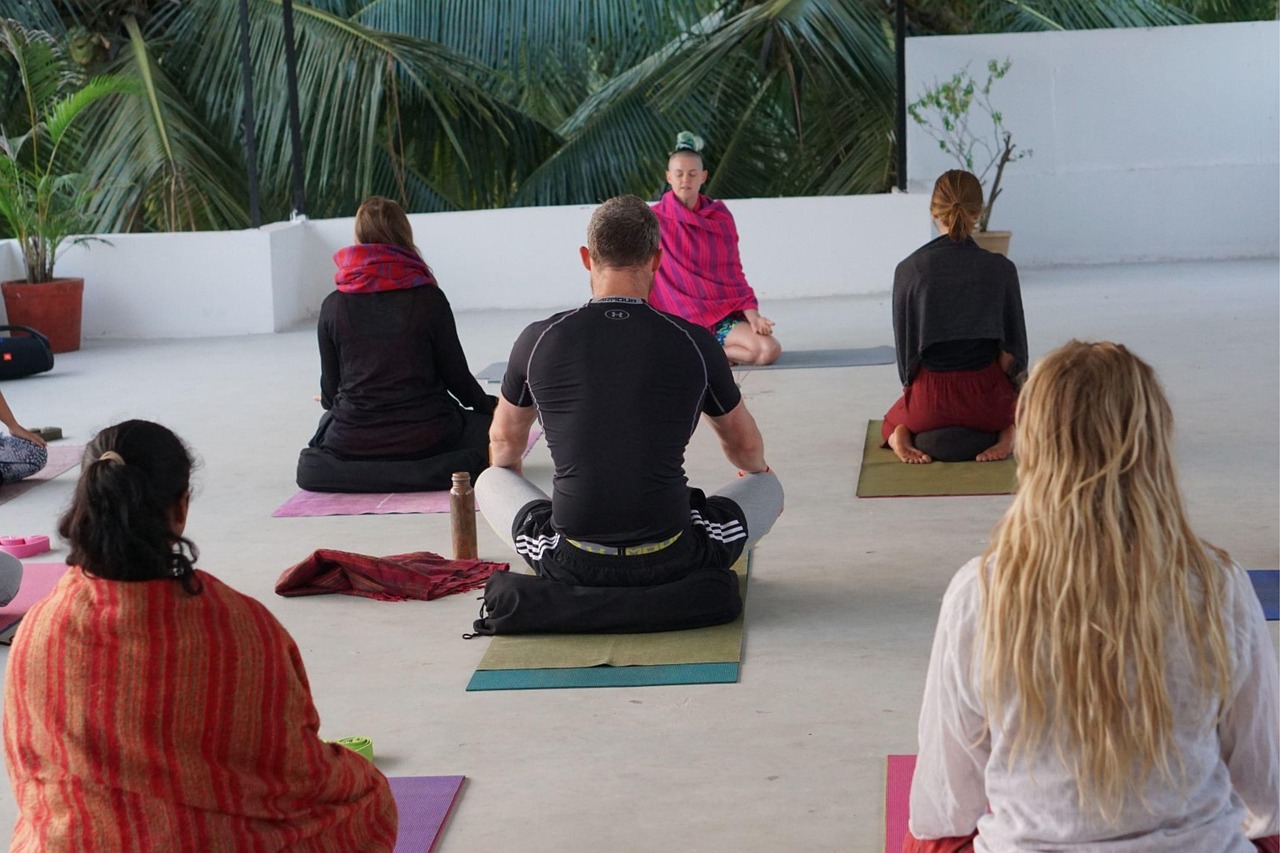
Mental well-being significantly influences recovery from injuries. Yoga Nidra provides a refuge for those dealing with the psychological dilemmas posed by their condition. One of the most remarkable benefits of this practice is its ability to reduce feelings of stress and anxiety. When injured, individuals often experience heightened stress levels that can impede recovery; hence, a calming practice like Yoga Nidra becomes essential. The practice consists of lying down comfortably while listening to a facilitator’s voice guiding through relaxation techniques. These sessions help participants let go of their worries, promoting a peaceful mindset that actively contributes to healing. Immersing oneself in deep relaxation directly correlates with lower stress hormones, which leads to reduced muscle tension and pain perception. Yoga Nidra further introduces visualization exercises encouraging positive imagery and healing thoughts, setting a foundation for a constructive healing environment. Additionally, individuals may also find it useful to participate in group sessions, fostering a sense of community and support, which can further encourage mental health during the recovery phase.
Another important benefit of Yoga Nidra in the injury recovery landscape is its alignment with self-compassion. Many individuals recovering from injuries fall into negative thought patterns about their limitations, potentially leading to frustration and discouragement. Yoga Nidra teaches individuals to embrace who they are in the moment, fostering an environment where self-critique is replaced with patience and kindness towards one’s self. This compassionate approach aids emotional healing, which is just as critical as physical recovery. Moreover, integrating affirmations during Yoga Nidra allows participants to cultivate a positive mindset, essential for overcoming obstacles. Rather than focusing on what they cannot do, individuals begin to concentrate on what they can achieve through incremental progress facilitated by Yoga Nidra. Affirmative language can shift perceptions of injury and pain into opportunities for growth and self-discovery. This aspect can be especially critical while recovering from chronic injuries or conditions. Practicing self-love and acceptance not only nurtures emotional resilience but also propels individuals toward a more mindful engagement with their rehabilitation process.
Enhancing Physical Healing
Besides the mental and emotional benefits, Yoga Nidra can significantly enhance physical healing processes. The practice encourages total relaxation, which activates bodily functions that support effective healing, such as improved circulation. Enhanced blood flow supplies injured muscles and tissues with vital nutrients and oxygen, which are essential during recovery processes. Furthermore, Yoga Nidra has been demonstrated to alleviate chronic pain and muscle tension, making it a beneficial tool for those with various injuries, such as sports injuries or post-surgery recovery. The practice’s gentle stretching and relaxation techniques can enhance mobility and flexibility, which are often compromised during an injury period. In addition, when physical pain diminishes through Yoga Nidra practices, individuals can focus more on their rehabilitation exercises. Additionally, engaging in a regular Yoga Nidra practice can enhance overall physical wellness, allowing for a smoother transition back to regular physical activities. As individuals regain strength and confidence, they can gradually re-engage with their favorite physical pursuits, moving away from a place of limitation to one filled with potential and vitality.
Integrating Yoga Nidra into a comprehensive recovery plan may involve working alongside health professionals, including physiotherapists, or yoga therapists familiar with injury recovery. This collaboration can help streamline the benefits of Yoga Nidra with other rehabilitation strategies, maximizing the efficacy of recovery efforts. Professionals can tailor proper sequencing of Yoga Nidra sessions based on individual needs and existing medical conditions while providing appropriate guidelines for practice. Simple adaptations, such as using props for comfort, ensure that each session remains accessible regardless of current limitations. Additionally, learning from experienced practitioners can enrich the recovery experience, making it more engaging and supportive. Many healthcare providers recognize the transformative effects of mindfulness and somatic practices like Yoga Nidra, thus referring clients to structured classes or workshops. This synergy between traditional rehabilitation and yoga therapy can offer individuals a holistic approach to their recovery journey, facilitating growth on various levels – physical, mental, and emotional. Ultimately, recovery becomes not just about healing injuries but also about nurturing one’s inner strength and resilience.
Creating a Consistent Practice
Establishing a consistent Yoga Nidra practice is essential for realizing its full benefits during injury recovery. Regular engagement allows individuals to develop familiarity with the techniques taught, which in turn fosters deeper relaxation and benefits over time. Those recovering from injuries should aim for at least a few sessions per week to experience noticeable changes in both their emotional and physical well-being. Designing a dedicated space for practice can enhance commitment and provide a welcoming atmosphere conducive to relaxation. Utilizing resources such as recorded sessions, guided apps, or joining local classes can also foster a supportive environment for practice. Additionally, keeping a journal to track progress during recovery can further enhance motivation, allowing individuals to reflect on the growth they experience through mindfulness. Staying committed to this journey of recovery while integrating Yoga Nidra equips individuals with the necessary tools to heal effectively. As they learn to marry relaxation techniques with their physical therapy, they create a transformative experience, making the healing journey not just about recovery but also about personal evolution and empowerment. Emphasizing consistency can turn a simple practice into a profound component of healing and growth.
In conclusion, Yoga Nidra presents a multitude of benefits that are particularly invaluable for those undergoing recovery from injuries. By focusing not just on physical healing but also embracing emotional and mental well-being, individuals can foster a holistic approach to their recovery. This ancient practice offers a unique blend of relaxation, self-awareness, and mental resilience, allowing individuals to navigate their recovery with more grace and strength. Safety and self-care, integral aspects of injury recovery, are enhanced through this mindfulness-based approach. The significance of nurturing oneself during such times cannot be overstated, as it often leads to a more successful healing journey. Moreover, the techniques learned through Yoga Nidra can have lasting impacts beyond the recovery period, imbuing individuals with healthier coping mechanisms for future challenges. As awareness and acceptance grow during these sessions, the journey transforms into a beautiful narrative of personal growth and self-discovery. Thus, incorporating Yoga Nidra into injury recovery is not merely beneficial—it can be transformative, fostering resilience that extends far beyond the yoga mat.