
Improving Gait and Coordination in Post-Stroke Patients
After a stroke, many individuals experience significant alterations in their gait and coordination, which can severely impact their quality of life. Rehabilitation specialists must develop tailored rehabilitation programs that specifically address these issues. These programs should include assessing the patient’s current level of balance, coordination, and mobility. Among the strategies utilized in rehabilitation, exercises focused on strengthening core muscles, improving flexibility, and enhancing muscle control are vital. A systematic approach that utilizes the following exercises can be beneficial:
- Balance training: Helps regain stability.
- Coordination drills: Enhances interaction among limbs.
- Functional mobility exercises: Aids in performing daily activities.
The ability to recover and improve mobility ultimately hinges on the patient’s dedication to their rehabilitation plan. Involving the patient in their recovery process is beneficial, providing them a sense of agency. By creating individualized exercises, therapists can ensure that patients remain engaged and motivated throughout their journey towards improved gait and coordination.
Understanding the Importance of Coordination
Coordination plays a crucial role in everyday activities as it allows for effective interaction between the body’s various systems. Understanding the types of coordination can help rehabilitation specialists create optimized recovery plans. There exist several forms of coordination:
- Gross Motor Coordination: Involves large muscle groups.
- Fine Motor Coordination: Requires precise movements.
- Hand-Eye Coordination: Essential for performing tasks involving your hands.
Rehabilitation programs should focus on enhancing all these forms of coordination through tailored exercises. For instance, gross motor coordination can be supported through running or walking activities, while fine motor coordination may require practicing skills such as gripping or manipulating objects. Therapeutic practices employing these forms can be integrated into daily routines to promote functional independence. Continuous assessment will aid in adjusting exercise programs as the individuals progress. The targeting of specific coordination forms often leads to improved functional outcomes observed in daily life, providing the patient with a greater sense of accomplishment and motivation to engage in further rehabilitation efforts.
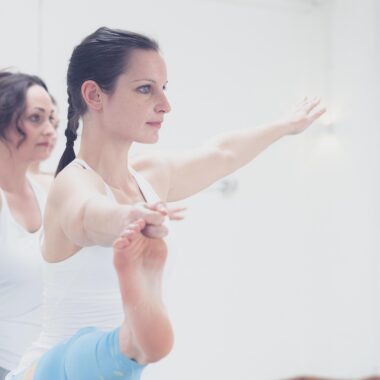
The integration of balance and coordination exercises within rehabilitation plans is essential for addressing the complex challenges faced by post-stroke patients. Multimodal interventions often yield the best outcomes, combining physical exercises with mental focus and engagement. Activities such as Tai Chi, dance, or yoga are also highly effective for improving coordination and balance due to their emphasis on body awareness and control. These exercises not only help enhance physical ability but also provide psychological benefits, promoting overall well-being. The social aspect of group activities may further instill motivation and a sense of community among senior patients. Additionally, rehabilitation specialists should take into account the patient’s unique needs and preferences. For enhancing balance specifically, the use of tools such as balance boards or stability balls can introduce variety into the rehabilitation process, making it both enjoyable and effective. Monitoring the patient’s response to different exercises allows for a more personalized approach. Ultimately, it is about fostering a supportive environment where patients feel encouraged to push their limits while also remaining safe during their rehabilitation journey towards recovery and improved quality of life.
Rehabilitation specialists can utilize innovative technology to enhance balance and coordination training for post-stroke patients. The advent of wearable devices, virtual reality, and computerized balance training systems can provide considerable advantages in rehabilitation. For instance, wearable sensors can track patients’ movements objectively, enabling personalized feedback and goal setting. Integrating these technologies into therapy can promote greater engagement, making rehabilitation sessions engaging and fun. Virtual reality environments can simulate diverse settings, exposing patients to various challenges while concurrently allowing them to practice coordination in a safe and controlled manner. Moreover, games specifically designed for stroke rehabilitation could foster a sense of achievement during therapy sessions. Individuals often feel more motivated to participate in their therapy when it incorporates elements of play. Utilizing biofeedback technologies can also aid in immediate correction of postural misalignments, further enhancing movement quality. Ultimately, embracing these technologies can be a game-changer for enhancing rehabilitation outcomes, leading to improved balance, coordination, and independence.
Creating Supportive Environments
Creating an environment that fosters recovery is key in enhancing post-stroke rehabilitation efforts. A supportive atmosphere can help patients feel comfortable expressing their needs, thereby enhancing their participation in the recovery process. Communication and relationship-building between therapists and patients facilitate collaboration in setting realistic goals. It is crucial for patients to understand the rationale behind the chosen rehabilitation exercises. Providing them with knowledge about how these activities improve their daily functioning enhances motivation and adherence to therapy. Therapists should encourage open discussions, allowing patients to ask questions and express concerns. Involving family members as supporters in the rehabilitation process can provide an additional layer of motivation and emotional support. It’s important for the family to understand the objectives of rehabilitation so they can assist appropriately. Adaptive tools and resources available in the home environment also play a critical role in improving functional outcomes. Ensuring that the living space is safe and conducive to practice can significantly enhance engagement in therapeutic exercises whenever possible. Together, this supportive ecosystem can aid immensely in the overall rehabilitation journey.
Feedback and ongoing assessment are integral components of a successful rehabilitation program for post-stroke patients. Regular evaluations not only track the patient’s progress but also allow therapists to adjust the rehabilitation plan based on changing needs. Structured feedback mechanisms involve keeping the patient informed about improvements, regardless of how small they may seem. This can enhance their motivation, encouraging sustained efforts towards rehabilitation goals. Incorporating self-assessment tools or journals where patients can log their daily challenges could further encourage self-reflection. Such personal insights can facilitate meaningful conversations during therapy sessions, guiding the focus on strategies that work best for them. Additionally, evidence-based tools have been developed to assess strength, balance, and coordination effectively, helping therapists identify areas needing additional focus. It is essential for rehabilitation plans to be dynamic, adapting to the evolving abilities and aspirations of the patient. Ultimately, consistent feedback and tailored adjustments enhance the overall success rate of rehabilitation interventions, fully supporting not just recovery but also the reinstatement of the patient’s quality of life as they return to their daily activities and society.
Conclusion and Future Directions
In conclusion, improving gait and coordination in post-stroke patients demands a multifaceted approach that combines exercise, technology, and supportive environments. The prioritization of individualized rehabilitation plans allows therapists to address a myriad of challenges faced by patients without a one-size-fits-all solution. As research continues to evolve, innovative strategies targeting specific deficits in coordination and balance may emerge, expanding our toolkit for effective rehabilitation. Collaboration among various healthcare professionals, including physical therapists, occupational therapists, and neuropsychologists, will offer a holistic view that underpins comprehensive recovery strategies for post-stroke patients. Continuous professional development and training for rehabilitation specialists ensure they remain equipped with knowledge of the latest practices and evidence-based protocols. Patients and families should also be kept informed about advancements in rehabilitation approaches that may enhance the recovery process. By remaining adaptable and open to new methodologies, we can significantly impact the rehabilitation outcomes for post-stroke individuals, encouraging them in their journey toward regaining independence and a fulfilling life.