
Postnatal Recovery: How to Set Realistic Fitness Goals
Postnatal recovery is a crucial phase for new mothers, focusing on both physical and emotional wellness. It is important to approach fitness during this time with a mindset that emphasizes gradual improvement rather than immediate results. One essential aspect of setting realistic fitness goals involves understanding the body’s healing process after childbirth. Hormonal changes, fatigue, and physical discomfort can make exercising challenging. Prioritizing self-care and patience in this period helps to create a sustainable fitness journey. Make sure to acknowledge the impact of significant physical changes during pregnancy, which require time to adapt. Start by consulting with healthcare providers to get personalized recommendations for fitness. Activities like gentle stretching, pelvic floor exercises, and light walking can be great starting points. As the recovery progresses, integrating strength training might become more feasible. Establishing a fitness routine that incorporates enjoyable activities can also help maintain motivation. Aligning your fitness goals with realistic expectations enables better focus and greater achievements each week.
To further nurture your journey in postnatal fitness, consider setting specific, measurable, achievable, relevant, and time-bound (SMART) goals. For instance, instead of vague aspirations like “I want to get fit,” transform that into something specific, like “I will walk 30 minutes a day, three days a week for the next month.” Incorporating family members may enhance motivation and accountability, as workouts can be turned into bonding time. Additionally, measuring progress through simple metrics, such as distance walked or minutes spent exercising, helps track achievements. Celebrate small milestones, whether that’s completing a workout, feeling increased stamina, or simply taking time for yourself. Do remember to be flexible; life with a newborn is full of surprises. It’s completely natural to have days where sticking to fitness goals is challenging. Maintain a positive mindset that focuses on recovery as a journey. As progress is made, feel free to adjust goals and increase intensity. Small steps lead to large changes over time, contributing to both mental and physical health improvements.
Listening to Your Body
An essential component of safe postnatal recovery is learning to listen to your body. After childbirth, your body has undergone substantial changes, and returning to pre-pregnancy fitness levels takes time. The body may experience fatigue, soreness, or even emotional shifts. It’s essential to respect these signals during workouts and adjust exercises accordingly. If you feel pain during a particular activity, it’s advisable to stop and consult with a healthcare provider. Incorporating rest days is vital as the body needs adequate recovery time to heal and rebuild strength. Tune in to your energy levels; some days may be more challenging than others. Balancing motherhood duties with physical fitness goals can be daunting, so it’s vital to prioritize personal well-being. Surrounding yourself with a supportive community that understands the challenges can provide the encouragement needed. Explore local fitness groups for new moms, which can offer both companionship and an accountability system. Support also comes through friends or family who can offer a helping hand, allowing time for workouts without extra stress.
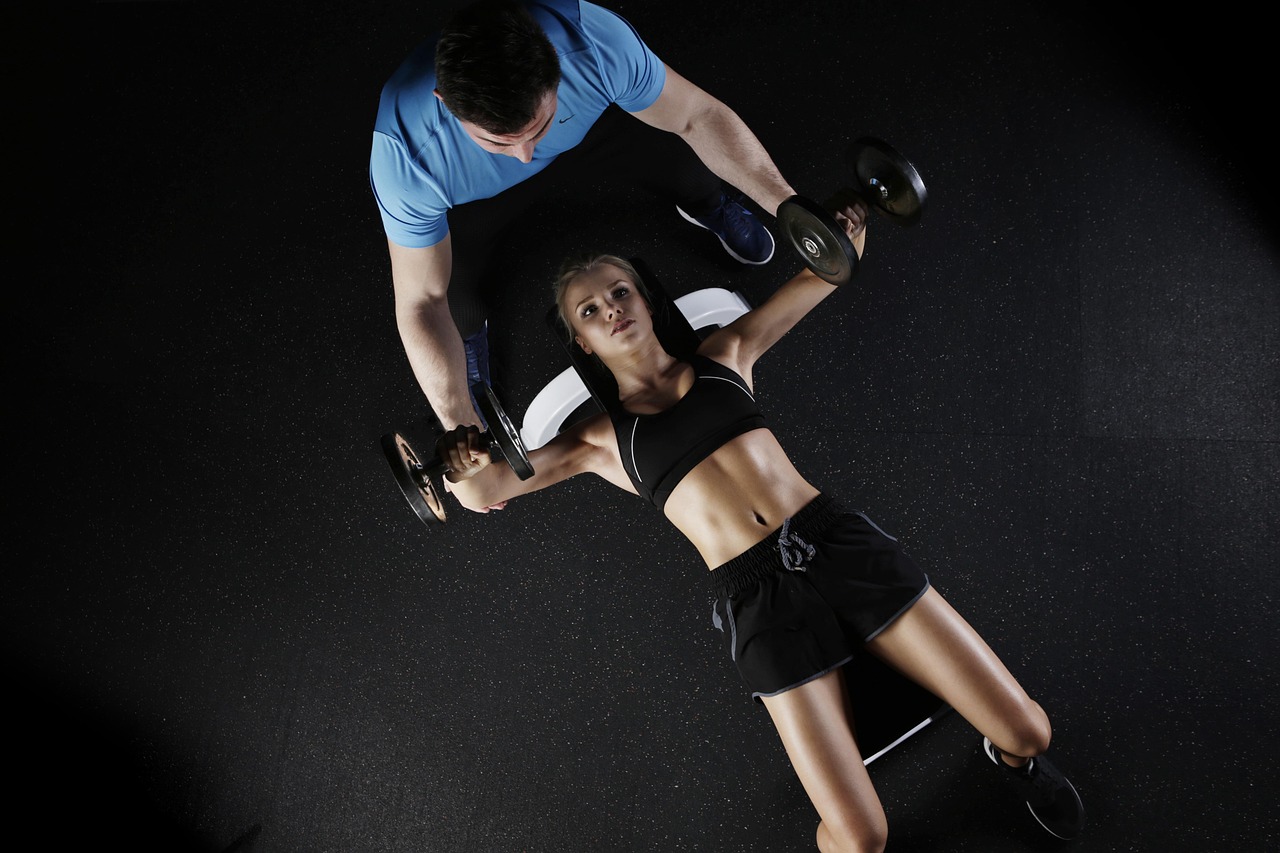
Integrating some light strength training into your postnatal fitness routine can greatly enhance recovery. Simple exercises that utilize body weight, like squats and lunges, assist in rebuilding core strength. Postural corrections through targeted exercises can also be beneficial in restoring stability and improving alignment, which may have been altered during pregnancy. Depending on individual circumstances, incorporating resistance bands or light weights may also be beneficial as strength improves. Consulting with a fitness professional who specializes in postnatal training can ensure safety while enhancing effectiveness. Moreover, consider incorporating yoga and Pilates into your routine, which can increase flexibility and promote mindful movement. These practices also encourage relaxation, which is valuable during the sometimes chaotic phase of motherhood. Make sure to explore various classes, either in-person or online, to find what resonates the most with you. The primary focus should be on exercises that feel good and empower you. Staying engaged in enjoyable workouts will foster motivation and help maintain a consistent routine. Remember, improvement will not come overnight, but consistency is key.
The Role of Nutrition in Fitness Goals
Nutrition plays an equally important role in achieving postnatal fitness goals. During this recovery phase, the body needs proper nutrients to heal and regain strength. A well-balanced diet rich in whole foods, including fruits, vegetables, lean proteins, and healthy fats, is vital. Hydration should not be overlooked, especially for breastfeeding mothers. Consistent hydration supports energy levels and aids in recovery. Consider meal prepping or planning weekly meals to ensure healthy choices are readily available. Partner with a nutritionist if you need guidance on dietary adjustments conducive to recovery and fitness goals. Additionally, be mindful of emotional eating habits, as feelings of stress and fatigue can sometimes lead to unhealthy choices. Mindful eating, focusing on portion sizes and food quality, can help maintain balance. Make modifications based on individual preferences and requirements; not every diet works for everyone. Introducing smaller, frequent meals can provide sustained energy throughout the day. Celebrate nutritional achievements as well, fostering a positive relationship with food that complements the journey of fitness.
Leveraging technology can significantly boost your postnatal recovery. Fitness apps, trackers, and online communities provide excellent platforms for tracking workouts and nutrition. These tools can help keep you accountable, especially on challenging days. Many apps offer customizable workout plans and nutritional guides tailored for postnatal care, facilitating informed choices. Join online forums or social media groups focused on postnatal fitness to share experiences, challenges, and successes. Engaging with a community of like-minded individuals can inspire and motivate you. Additionally, many fitness professionals are now providing virtual classes specifically designed for new mothers which can fit conveniently into your schedule. Whether it’s a quick online workout or guided nutrition tips, the accessibility of technology makes maintaining a healthy lifestyle manageable. Likewise, participating in virtual support groups can enhance emotional well-being, providing support during the adjustment to motherhood. Keeping a journal to document progress, thoughts, and feelings can also help with accountability, nurture self-reflection, and keep joy at the forefront of your routine, reminding you of every step made in your journey.
Creating a Sustainable Routine
The foundation of successful postnatal recovery lies in establishing a sustainable exercise routine. Find activities you genuinely enjoy—exercising doesn’t feel like a chore when you look forward to it. Consider involving your baby during workouts, turning exercise into a fun, interactive experience. Many new mothers find activities like stroller workouts or postnatal yoga classes satisfying ways to bond while being active. Schedule your workouts at times that fit seamlessly into your daily routine. Incorporate shorter exercise sessions when larger blocks of time are not feasible. Remember, consistency is key; exercising multiple times a week for shorter durations is often more effective than occasional long workouts. Adjusting your fitness plan to account for life’s unpredictability will ensure continued progress. Remember to celebrate your achievements—every step, every workout completed, is a victory worth recognizing. Being compassionate with yourself while pursuing fitness goals allows for positive reinforcement and joy in your journey. Moreover, don’t hesitate to review your goals regularly to ensure they reflect your current stage of recovery and lifestyle. A flexible yet structured approach caters to both mental and physical well-being.
In conclusion, achieving realistic fitness goals postpartum is a multifaceted journey that encompasses patience, adaptability, and community support. Each mother’s experience will vary, but the universal themes of understanding one’s body, prioritizing nutrition, and fostering a sustainable routine remain essential. Celebrate incremental progress and strive for balance within motherhood and personal fitness ambitions. Remember to be gentle with yourself, allowing recovery to take precedence in the early stages while establishing a lasting fitness practice. Engaging in enjoyable activities, embracing technology’s benefits, and leaning on community support pave the way for progress. With the right mindset and approach, every day can be a step toward a healthier, happier postnatal experience. Allow fitness to be a part of your new life—not a source of stress. Prioritize fun and connection as new workouts evolve, helping maintain motivation. Together, with persistence and self-compassion, your journey doesn’t only benefit you but sets a healthy example for your children as well, fostering a culture of health and wellness for the entire family. Keep pushing, enjoy the process, and most importantly, embrace the beautiful changes both physically and emotionally.