
Meditation as a Tool for Conflict Resolution in Sports Teams
In today’s competitive sports environment, maintaining harmony within teams is essential. Conflict can arise due to various factors, including differences in personality, playing styles, and competition for positions. A growing body of research suggests that mindfulness practices, including meditation, can serve as effective tools for mitigating such conflicts. By fostering a sense of awareness and presence, meditation encourages team members to reflect on their thoughts and emotions, which can lead to improved communication and understanding. Implementing meditation sessions regularly within a sports team can promote a culture of mindfulness, where athletes are not only trained to excel physically but are also equipped with techniques to handle interpersonal differences. This holistic approach not only enhances emotional intelligence but also builds resilience among team members. As athletes learn to meditate, they develop a better sense of self-regulation, enabling them to respond more thoughtfully during stressful situations. This shift can help diffuse conflicts before they escalate. Moreover, by practicing meditation together, teams strengthen their bonds, creating a unified front toward shared goals. Ultimately, integrating meditation into team routines can transform group dynamics, benefiting overall performance.
The Role of Mindfulness in Sports
Mindfulness is defined as maintaining a moment-to-moment awareness of thoughts, feelings, bodily sensations, and the surrounding environment. In sports, this mindfulness translates into greater focus and clarity, crucial for peak performance. Athletes who practice mindfulness often discover enhanced concentration skills that allow them to remain present during high-pressure situations. As they learn to observe their thoughts without judgment, they become more adept at managing pre-game anxieties and post-game disappointments. Training in mindfulness can create an atmosphere where athletes support one another, leading to more productive communication. Moreover, through mindfulness techniques, such as breathing exercises and visualization, athletes can learn to control their emotional responses. This emotional regulation fosters healthier relationships within the team, reducing the prevalence of conflicts. Instead of competing against each other, athletes begin to see themselves as part of a collaborative unit. This sense of belonging is essential for creating a positive team culture and minimizing conflicts. Teams that prioritize mindfulness often achieve stronger cohesion and better understanding between members. Over time, these practices can reshape team dynamics and enhance overall effectiveness during competitions.
Conflicts inevitably arise in sports teams, but the approach taken to resolve them determines their long-term impact. Traditional conflict resolution techniques may focus solely on addressing specific disagreements without addressing underlying issues, which can lead to recurring tensions. In contrast, meditation helps athletes develop a greater awareness of their triggers and emotional responses, which can lead to healthier, more constructive conversations. When team members engage in regular meditation, they become better listeners, cultivating an environment where everyone feels heard. This creates opportunities for resolving grievances authentically and respectfully. Through guided meditation, athletes learn strategies for approaching conflicts with empathy and open-mindedness. This practice not only enhances individual wellbeing but also contributes positively to the collective atmosphere of the team. Furthermore, after resolving conflicts, teams can celebrate their shared experiences through team-building exercises that reinforce trust and camaraderie. As athletes learn to navigate conflicts mindfully, they build stronger relationships that ultimately contribute to team success. Addressing the root causes of disagreements ensures that teams don’t simply survive but thrive together, setting the stage for collaborative achievement in competitive environments.
Benefits of Implementing Meditation
The implementation of meditation in sports teams can significantly enhance not only conflict resolution but the overall dynamic as well. Regular meditation practices foster skills such as empathy, active listening, and emotional awareness. These skills are vital when navigating conflicts or misunderstandings among teammates. As team members develop these qualities, they begin to recognize the value of each other’s perspectives. This recognition is instrumental in building an inclusive team culture where all voices are valued. Moreover, the act of meditating together cements team unity and establishes shared goals. During meditative practices, athletes can visualize the success they aim to achieve collectively, thereby reinforcing their commitment to each other. Regularly engaging in these practices enables participants to enhance their mental agility, thus responding to the rapidly changing dynamics of sports teams. With mindfulness integrated into their routine, teams face challenges with newfound resilience and adaptability. Additionally, athletes experience reduced stress levels and anxiety, allowing them to perform at their best without the weight of interpersonal issues dragging them down. Consequently, the benefits of meditation extend beyond the field, impacting players’ lives positively.
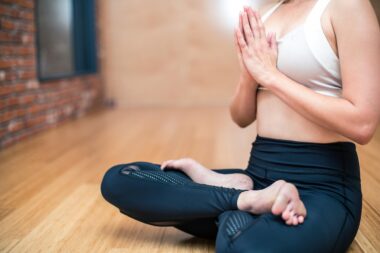
Moreover, incorporating meditation as a tool for conflict resolution can be straightforward and requires minimal resources. Teams can easily dedicate a portion of their training sessions to mindfulness practices. Coaches can introduce guided meditation routines, focusing on breathing techniques or body scans that promote relaxation before practices. These practices can help athletes clear their minds, allowing them to approach training with better focus. Additionally, team members can share their meditation experiences during post-training discussions, creating opportunities for open communication about challenges faced. Regularly discussing personal insights encourages connection and cohesion. Teams can also utilize technology, such as apps or online platforms, to facilitate meditation sessions, making the process accessible to all. Online platforms can feature a range of techniques tailored for athletes, ensuring that every individual finds an approach that resonates. Further, as athletes feel more comfortable with meditation, they may begin to adopt personal mindfulness practices outside of team activities, thus extending the benefits of conflict resolution to their personal lives. This expansion promotes a culture of mindfulness that contributes to the team’s growth, stability, and long-term success as they collectively navigate challenges.
Training Techniques for Team Cohesion
Training programs that incorporate mindfulness can significantly improve team cohesion and overall performance. Using activities and exercises that promote awareness can enhance not only individual behaviors but also collective dynamics. Activities such as group meditation sessions, mindful team-building exercises, and conflict resolution workshops are all beneficial strategies to incorporate into training. These activities encourage team bonding, communication, and trust among members. For example, team-building activities that incorporate mindfulness principles allow members to face challenges while being present with one another. Mindful communication practices can also be taught, enabling team members to express their thoughts and feelings respectfully. As they practice listening and articulating feelings constructively, athletes mitigate misunderstandings before they blossom into conflicts. A commitment to cultivating a mindful culture within the team creates an environment where grievances can be addressed openly. Additionally, incorporating regular feedback sessions allows team members to share experiences and reflect on their progress, fostering growth. Educators and coaches can also leverage mindfulness techniques in their coaching styles to model and encourage open dialogue. Over time, such efforts create lasting impacts on team cohesion and collaborative success.
Finally, the integration of meditation and mindfulness into sports team dynamics has profound implications for overall wellbeing and performance. By addressing conflicts with a mindset shaped by awareness and understanding, teams can navigate challenges with greater ease. Mindfulness allows athletes to treat conflicts not as setbacks but as opportunities for growth. Overcoming interpersonal challenges can strengthen relationships and deepen trust among team members. Furthermore, athletes equipped with mindfulness techniques often show enhanced mental clarity during competitions, allowing them to perform at their highest levels without the distractions of interpersonal issues. The reduction of stress, anxiety, and tension leads to a more enjoyable and fulfilling sports experience for all involved. In conclusion, embracing meditation as a tool for conflict resolution can transform sports teams, turning potential obstacle events into opportunities for growth and learning. By fostering a culture of mindfulness, teams create a supportive environment that promotes collaboration while enhancing performance. Ultimately, the benefits of meditation extend beyond sports, impacting players’ lives positively, both personally and professionally. The integration of these practices will pave the way for a culture of understanding and respect in sports teams.