
Improving Swim Performance by Monitoring Heart Rate
Utilizing heart rate monitors during triathlon training, especially swimming, can greatly enhance performance. Monitoring heart rate enables athletes to stay within optimal training zones, ensuring they don’t overexert themselves while swimming. This careful balance can significantly impact overall fitness, leading to improved swim times in competitions. By analyzing heart rate data, swimmers can tailor their workouts to meet specific goals, promoting efficient training sessions. Moreover, understanding heart rate response to different swimming intensities aids athletes in designing more effective workout plans. Sessions can focus on endurance, speed, or technique, all crucial for success in triathlons. Heart rate monitors also provide real-time feedback and insights, allowing swimmers to adjust their techniques as needed. This responsiveness to heart rate changes can be particularly beneficial for preventing fatigue during long swims. Additionally, learning how quickly the heart rate recovers post-exercise is vital for gauging fitness levels and cardiovascular health. By incorporating heart rate monitoring into regular swim practice, triathletes can foster substantial improvements in swim performance, ultimately translating to better results during events.
For athletes seeking to enhance their swim efficiency through heart rate monitoring, understanding heart rate zones is essential. Heart rate zones are categorized according to the percentage of an athlete’s maximum heart rate. Each zone corresponds to different training intensities, such as recovery, endurance, tempo, and interval training. By swimming in the appropriate heart rate zone, athletes can optimize their stroke techniques and pacing strategies. For example, during recovery sessions, it’s crucial to keep the heart rate in a lower zone, focusing on form and relaxation. This practice not only aids physical recovery but also supports mental clarity during training. On the other hand, interval training might require swimming at a higher intensity, leading to increased heart rates. Monitoring while engaging in such activities can help maintain desired effort levels. By doing so, athletes can practice sustainable pacing for race situations. Recording data from these training sessions enables swimmers to track improvements over time, adjusting their workouts as necessary. Overall, understanding and utilizing heart rate zones is a powerful tool for any swimmer aiming to improve efficiency and overall performance in the swimming portion of their triathlon training.
Integrating Technology into Swim Training
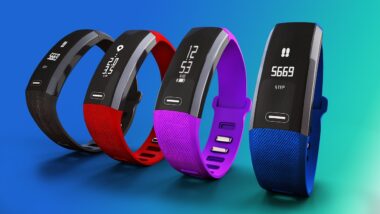
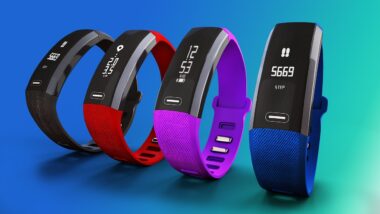
As technology continues to advance, integrating heart rate monitors into swim training has become increasingly popular. Athletes can now access devices specifically designed for underwater use, providing accuracy and reliability while swimming. Consistent heart rate readings while performing strokes allow athletes to monitor and adjust their efforts in real-time. Moreover, many of these devices sync seamlessly with apps to analyze data post-workout. This data can highlight trends in training, such as fatigue levels and recovery rates, enabling a more tailored training approach over time. Heart rate variability is another vital metric that athletes can monitor for insights into recovery and stress levels, affecting their performance capabilities. Many devices also offer swim-specific features like lap counting or stroke rate detection, adding valuable metrics to their training. Embracing these technologies not only elevates performance potential but allows athletes to stay motivated by seeing tangible results. Setting personal benchmarks based on heart rate metrics encourages continual progression. In a sport where every second counts, investing in quality heart rate monitoring technology can yield significant benefits, making it an essential component of an athlete’s training arsenal.
Monitoring heart rate during swim workouts not only serves performance goals but also aids in injury prevention. Overtraining is a common risk, particularly for triathletes who combine swimming with running and cycling. By observing heart rate trends, athletes can identify when their bodies need a rest or a more reduced effort. Engaging in too high of intensity without allowing adequate recovery can lead to fatigue, burnout, or even chronic injuries. Recognizing signs of overexertion can lead to timely adjustments in the training schedule, maintaining overall well-being. Heart rate monitors facilitate awareness of these signs, allowing athletes to switch to lower heart rate zones when necessary. Additionally, understanding one’s physiological limits assists in building a sustainable training plan, balancing intensity and recovery. Monitoring recovery heart rates further offers insights into physical readiness for subsequent workouts. If the heart rate remains elevated longer after exercise, it may indicate insufficient recovery or increased fatigue. Body signals can be masked by enthusiasm or pressure to train harder, but heart rate data provides an objective measure to guide decisions. Thus, integrating heart rate monitoring into swim training is paramount in sustaining long-term health and performance in triathlon competitions.
Analyzing Performance Metrics
Analyzing heart rate metrics facilitates a deeper understanding of swim performance over time. By consistently tracking heart rate data, swimmers can evaluate their endurance levels relative to their training sessions. For instance, lower heart rates during similar efforts suggest improvements in cardiovascular fitness, which is essential for endurance athletes. Likewise, recording heart rate during races allows athletes to better familiarize themselves with race-day dynamics. Understanding how to manage energy reserves during the swimming leg can optimize overall race performance. Greater awareness of how swim workouts impact the heart rate helps tailor upcoming training sessions to build on strengths and address weaknesses. Swimmers can work with coaches using data to develop bespoke strategies that meet individual needs. Another crucial metric is the heart rate recovery time, as it reflects how efficiently the body recuperates after exertion. Faster recovery signifies improved fitness, while slower recovery times may indicate areas needing attention. Thus, regularly analyzing this data provides critical feedback for progressive training cycles. Heart rate analysis is integral not only for the swim component but enhances overall triathlon preparation, ensuring that athletes fine-tune their approach towards achieving competitive excellence.
Heart rate monitors also support mental training fundamentals in triathlon swimming. Mental fortitude plays a significant role in competitive performance, particularly during the swim leg where anxiety can affect concentration levels and physical response times. By having access to real-time heart rate information, swimmers can learn to associate numbers with feelings of exertion. This knowledge equips them with strategies to manage anxiety effectively during races, building resilience over time. For instance, swimmers can utilize heart rate data to develop breathing patterns that pace their swims according to their heart rates. Mindfulness and awareness become paramount as they learn to remain calm, even in high-pressure scenarios. Practicing visualization techniques alongside heart rate monitoring provides dual benefits, as athletes can rehearse race day while building confidence. Regular practice helps athletes establish mental connections between water conditions, heart rate expectations, and pacing strategies. Enhanced mental preparedness and focus can lead to improved performances in highly competitive environments. Therefore, the incorporation of heart rate monitoring should not only be viewed strictly as a physical training tool, rather an essential part of mental training as well. Understanding one’s body and mind as interconnected can yield substantial benefits for triathletes.
Conclusion: Embracing Heart Rate Training in Swim Preparation
Embracing heart rate monitoring as part of swim preparation undeniably fosters enhanced performance for triathletes. With the ability to adjust training intensities, monitor fatigue levels, and track recovery, athletes can maximize their swim training effectively. By maintaining workouts within set heart rate zones, swimmers can precisely target particular fitness components necessary for race success. Moreover, the data gathered provides pivotal feedback for refining techniques and improving overall pacing strategies. The role of technology, including specialized devices for aquatic use, elevates the training experience, contributing to more informed training methods. Adopting heart rate monitoring also drives a greater awareness of mental dynamics that impact swimming performance, equipping athletes to confront race-day challenges. Through continued integration of heart rate training insights into swim sessions, triathletes can cultivate resilience, fitness, and confidence in their abilities. It is vital to remember that optimal results are founded on systematic training, recovery, and self-awareness facilitated by monitoring heart rates. Consequently, focused attention on heart rate data should be a standard practice, empowering athletes to excel in triathlons during competition and reaching their full potential.
By utilizing heart rate monitors consistently, triathletes will develop better swim performance, resulting in increased confidence and success. Monitoring heart rates allows for the individualization of training programs, leading to continuous improvement. Adapting workouts based on collected heart rate insights transforms the training experience, allowing athletes to truly understand their bodies and how they perform. Using this data effectively extends beyond the swim leg of a triathlon, enhancing performance overall across all disciplines. Additionally, the integration of technology in swimming leads to a more engaging and productive training regimen, keeping athletes accountable and motivate. No longer limited to mere physical training, harnessing heart rate information adds a layer of intelligence to swim workouts, making the effort more rewarding over time. The benefits of employing heart rate monitoring during swim preparation cannot be overstated. As a foundational tool, it shines in its capacity to improve performance while addressing vital aspects of recovery and mental preparation. Overall, heart rate monitors have the potential to revolutionize an athlete’s approach to triathlon training, especially regarding the swim segment, contributing significantly to their overall success.