
Boosting Athletic Balance Using Controlled Breathing
Balance and coordination play essential roles in athletic performance. When athletes integrate controlled breathing techniques into their training, they often find significant improvements in their overall balance. A key aspect of these techniques is understanding the connection between breath control and body awareness. By consciously regulating their breath, athletes can enhance their mental focus, stabilize their core, and synchronize movements effectively. This informs how practitioners can use breathing to enhance their physical performance in various sports. Controlled breathing helps athletes maintain a calm mindset, reducing anxiety and stress, which often disrupt balance. It is crucial for athletes to practice breathing exercises before competitive events to ensure effective management of physical and mental challenges. Incorporating these techniques into regular training allows individuals to develop a deeper awareness of their body position and spatial orientation, resulting in improved motor performance. Athletes are encouraged to experiment with different breathing patterns during workouts to establish the most beneficial routines. Overall, mastering breath techniques can lead to heightened levels of concentration, focus, and ultimately, balance in athletic endeavors.
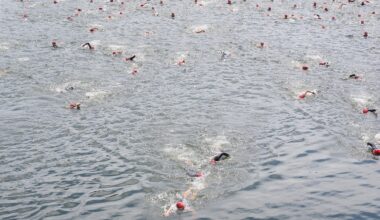
The process of learning controlled breathing can enhance athletic balance significantly. Athletes can benefit from specific exercises aimed to improve lung capacity and diaphragm control. Such exercises should involve both inhaling and exhaling techniques that match their physical movements. Active practice of breathing in sync with physical activity can stabilize the core, contributing to better posture and overall body alignment. Different sports require varied breath control strategies, which should be integrated into specific training regimens. For example, runners often use a pattern of inhaling for a set number of steps, followed by an equal or longer exhalation. Alternatively, swimmers might practice bilateral breathing. Understanding these nuanced techniques can greatly improve performance and endurance in their respective sports. Athletes should focus on consistent practice, reinforcing breath patterns until they become second nature. This will allow athletes to better manage their energy and maintain focus throughout their activities. In addition, seeking the guidance of performance coaches specialized in breathing techniques can provide personalized recommendations. As athletes continue to practice and refine their skills, they will inevitably notice improvements in their balance, coordination, and overall performance.
The Role of Breath in Physical Performance
Physical performance requires a harmonious balance between mind and body. Breath control enhances this synergy by facilitating oxygen supply to the muscles during rigorous activities. Athletes often underestimate the importance of breathing patterns, which can directly affect their stamina and endurance. When exercising, proper oxygenation allows for the sustained energy required to maintain pace or technique over time. Additionally, coordinated breathing aids in the management of lactate levels, which can cause fatigue if not adequately controlled. Therefore, athletes must focus on optimizing their breath during both anaerobic and aerobic exercises. Becoming aware of one’s breathing pattern during challenging workouts can indicate when to push harder or ease off. Integrating breath control into regular training sessions not only promotes endurance but also helps athletes feel more present and engaged in their activities. The psychological aspect of breath control also aids in relaxation, reducing tension that can negatively affect balance. Ultimately, a disciplined approach to breathing fosters resilience and agility within performance, ensuring that athletes remain steadfast and in control, regardless of the physical demands placed upon them.
Implementing breathing techniques requires dedication and lifelong practice. Athletes are encouraged to develop routines that include both warm-up and cool-down phases, each involving breathing exercises. For warm-up, strategies like deep diaphragmatic breathing can lay the groundwork for physical activity and prepare the body for exertion. It enhances lung capacity, aids in relaxation, and prepares the mind for focus. During the cool-down phase, structured breathing can facilitate recovery, helping the body transition back to a state of rest. This practice not only aids in replenishing oxygen levels post-performance but also improves mental clarity and reduces lactic acid build-up. Athletes should adopt a systematic approach when integrating these practices into their training schedules. Tracking progress and acknowledging the benefits observed over time can serve to reinforce motivation. Consistency in practicing breathing techniques is crucial for results, and athletes may find that the effort leads to both enhanced balance and overall performance gains. Adequate rest and hydration will further contribute to the efficacy of these techniques, creating a holistic training regimen that promotes longevity in athletic achievements.
Tips for Effective Breathing Techniques
To maximize the benefits of controlled breathing for athletic balance, consider applying the following tips. First, prioritize proper posture while practicing breathing techniques; standing or sitting up straight enables the diaphragm to expand fully. Second, make time for regular breathing exercises. Set aside time during warm-up or cool-down to focus purely on breathwork. Third, incorporate visualization techniques during breathing practices; envisioning a successful performance can enhance psychological resilience developing as part of your mental framework. Additionally, aim for a consistent inhalation and exhalation ratio that feels comfortable, gradually increasing this ratio as stamina improves. Utilizing breath patterns during actual sport practice also reinforces muscle memory, allowing athletes to react effectively during high-pressure situations. Furthermore, explore using mindfulness and meditation to cultivate a deeper awareness of breath and body connection. Engaging in group breathing sessions with teammates or coaches can enhance this practice through shared experiences, creating camaraderie while improving overall technique. Lastly, adopt a reflective approach; take time to evaluate personal experiences with breathwork to make continual adjustments and ensure effectiveness.
Utilizing controlled breathing can also play a pivotal role in injury prevention among athletes. As balance and coordination improve, athletes are less likely to suffer from excessive strains leading to injuries. High-impact sports often expose athletes to risk factors related to poor breathing and balance. Proper breath control can enhance proprioception, significantly aiding athletes in managing their body position amidst rapid movements. When awareness of bodily presence is heightened, athletes can make critical adjustments in their form or technique, thus avoiding potential injuries. Moreover, mindful breathing techniques may help alleviate anxiety and pressures that accompany competitive environments. Transitions between high-energy bursts and focused breathing create a rhythm that supports sustained performance without overwhelming the body. Compression techniques, like pursed lip breathing, are effective for stress relief and maintaining composure under pressure. The brain receives improved oxygen levels, resulting in better cognitive functions during athletic performance. Navigating competition requires adaptability, and fine-tuning breath control paves the way for this flexibility. Ultimately, rigorous training combined with fine-tuned breath strategies not only enhances performance but fosters resilience, leaving athletes better prepared for any challenge ahead.
Conclusion: The Interconnection of Breath and Performance
In summary, the exploration of controlled breathing techniques unveils their empowering potential in enhancing athletic balance and coordination. Athletes equipped with adequate tools—such as targeted breath practices—are well-positioned to optimize their performances. The capacity to control one’s breath directly influences energy levels, mental clarity, and overall body awareness. As athletes engage in regular practice of breath techniques, they create a foundation that allows for enhanced resilience and adaptability in movement patterns. Investing time in learning and refining these strategies pays dividends. The benefits extend beyond immediate athletic performance; they promote long-term health and well-being, enhancing recovery and injury avoidance. Developing the mind-body connection through disciplined breathwork offers athletes greater agency to navigate their physical challenges gracefully. Encouraging growth in breath control not only contributes to present achievements but fosters dynamic capabilities for future endeavors. As a result, the journey toward improved balance becomes a significant milestone on the road to athletic excellence. Therefore, commit to cultivating the breath; it becomes your ally, nurturing performance growth and achieving balance in every aspect of sport.
Moreover, keeping the spirit of exploration alive in breath practices opens doors to new discoveries. The journey of mastering breath offers rewards that extend far beyond sports, impacting daily life positively. Athletes who dedicate themselves to understanding controlled breathing find it translates into improved focus during quieter moments. As mindfulness integrates itself into training physiology, the improvements remain undeniably interlinked with balance and performance. Aiming for harmony in movement encourages exploration, allowing athletes to become architects of their breath experience. The possibilities are limitless, where each exhalation is a chance to recalibrate focus and centering within any athletic pursuit. Embracing the lessons learned through breath control contributes to an empowered, committed approach to balanced athletic performance. Athletes are empowered to share knowledge about their experiences with others, inspiring further exploration in their peers and communities. Thus, creating an ecosystem that values breath enhances the culture of excellence in athletic pursuits. In essence, controlled breathing will serve as a tool that shapes one’s athletic journey, enhancing balance and allowing each individual to thrive in their efforts toward athletic equilibrium.