
How to Calibrate Your Spinning Bike for Accurate Metrics
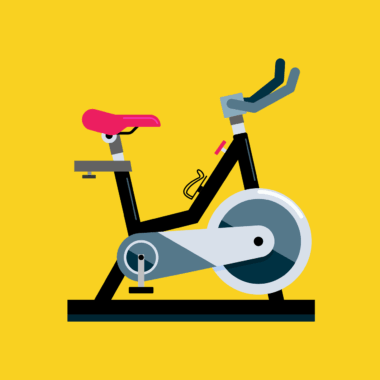
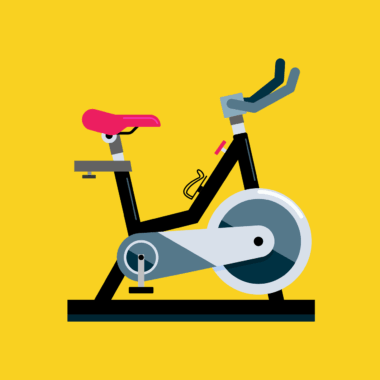
Calibrating your spinning bike is essential for attaining accurate metrics during your workouts. Accuracy ensures that you track your performance and achieve your fitness goals effectively. Before starting, ensure you have the correct tools handy, such as a calibrated scale and a floor level for the calibration process. Proper calibration helps maintain the mechanics of your spinning bike, especially in areas like resistance and speed. Begin by adjusting the bike’s resistance settings to ensure they are not overly tight or loose. This adjustment can significantly impact the metrics displayed on your console, such as your power output and calories burned. If your resistance isn’t calibrated properly, it could show inflated or deflated readings. Finally, understanding the importance of calibration can guide you in making appropriate adjustments each week or month, depending on your usage. Consistent tracking is crucial for progressing in your spinning journey; ensure all metrics reflect accurate workout intensity for optimal results. Taking the time to maintain and calibrate your spinning bike can lead to a more enjoyable and effective spinning experience as well as injury prevention throughout your fitness journey.
Correctly calibrating your spinning bike ensures that your tracking metrics reflect the actual effort you exert during your workout sessions. Start by confirming that the bike is on a leveled surface. It’s essential to check the bike’s settings before each ride, particularly for the resistance levels, as improper settings can lead to misleading metrics. Once leveled, use a calibrated scale to weigh the bike itself. By doing this, you’ll understand the starting weight parameters and can adjust the resistance accordingly. Ensure that the handlebar and saddle heights are also customized based on your comfort and height to enhance your riding precision. Performing regular maintenance on your bike not only improves its performance but also increases your comfort level while engaging in intense cardio sessions. Get familiar with the bike’s manual or manufacturer guidance for available adjustment instructions as it can significantly aid in achieving the desired calibration. Each bike may have slightly different calibration techniques, so tailor your methods accordingly based on the advice given by the bike’s manufacturer. Ultimately, precise calibration will allow you to have a productive cycling session with relevant data you can depend on for your cycling improvements.
Importance of Calibrating Your Spinning Bike
Bike calibration goes beyond merely ensuring your metrics are accurate; it plays a vital role in enhancing your overall fitness experience. When the metrics displayed reflect your real effort, they help you track your progress over time, which is fundamental to achieving any fitness goals. A well-calibrated spinning bike ensures that your heart rate, energy expenditure, and overall performance translate effectively into the data shown on your console. This data drives countless decisions about how intensely you should train or when to incorporate recovery days. Additionally, it promotes consistency in workout intensity, ensuring that you’re neither over-training nor under-training during your sessions. Proper maintenance, including regular checks for calibration, can also contribute to your bike’s longevity, ensuring it stays safe and functional for years. Many riders overlook bike maintenance until problems arise, but proactive calibration incorporated into your routine significantly enhances both performance and safety. Remember, an accurate bike during your workouts leads to better results and greater motivation as you watch your performance metrics improve. Taking these calibration steps will lead you to a more fulfilling spinning experience.
Calibration helps you set realistic fitness benchmarks as well because reliable metrics serve as the foundation for progress tracking. For instance, if you consistently see lower resistance levels correlating with heavy exhaustion, it may be time to adjust your settings or assess your physical needs. Through benchmarks, you can identify your strengths and weaknesses in your spinning routine. Additionally, you can set achievable short and long-term goals, contributing to your overall fitness trajectory in meaningful ways. To enhance your performance, listen to your body and remain mindful during your workouts while striving to hit those calibrated metrics accurately. Proper adjustments will bolster your confidence, allowing you to push yourself beyond perceived limits. Yoga and stretching exercises can be integrated into your spinning routine for added flexibility and muscle endurance for more enjoyable sessions. Connecting your workouts using fitness apps will allow for easy enhancements in monitoring your progress. Ultimately, a cohesive framework of calibration and regular exercise helps maintain your physical activity in enjoyable ways. The relationship between your effort exerted and the metrics displayed will keep you motivated and dedicated to your fitness journey as you witness consistent progress.
Tools Needed for Effective Calibration
A few basic tools will greatly assist you in effectively calibrating your spinning bike. These tools will enable you to gauge accuracy, stability, and comfort as part of your fitness routine. First, use a calibrated scale to measure your bike’s weight correctly; it establishes the basis for all further adjustments. Secondly, a wrench or bike tool is essential for making mechanical adjustments to handlebar and seat positions. Doing so will ensure that all your adjustments of these components improve your comfort and riding precision. A level tool is also beneficial as it confirms your bike’s position is balanced, further influencing the accuracy of measurements displayed on the console. Finally, investing in a power meter is ideal for advanced tracking of your Watt output during workouts. Though more of an advanced tool, it can provide invaluable insight into your training regime’s effectiveness. Create a checklist of these tools before you begin, ensuring a smooth calibration process. Regularly checking your tools will facilitate quick calibration and maintenance every now and then for consistent performance as you progress in your fitness levels. Gaining these insights will afford you with a well-rounded spinning biking regime.
Maintaining an organized setup when it comes to spinning bike calibration helps streamline the process. As you regularly check calibration, consider documenting the metrics from each session. This record provides an opportunity to notice patterns in your performance, aiding in both motivation and understanding of your progression. Regular sessions marked around specific metrics should be documented, ensuring you’re always in tune with how your bike performs over time. Keeping track can also reveal inconsistencies that may indicate more serious underlying issues with your bike. If you notice extremely fluctuating metrics or unplugged readings, it’s time to consult a technician or equipment specialist. Comfort while riding is vital for focus during intense sessions, so regularly reviewing measurements will prove valuable. Each adjustment or calibration can be noted, therefore increasing accountability within your spinning workout routine. These routines establish a cycling culture toward health improvements by aligning expectations with practical experiences on the bike. Remember that improvement in your physical fitness stems from precision and accuracy within each cycling session, and documenting these metrics fosters a sense of engagement with your spinning bike.
Final Thoughts on Spinning Bike Calibration
Coordination of proper calibration methods with thoughtful workouts is imperative in maximizing your spinning experience. Consider the role adjustment plays in achieving your prescribed objectives, as scaling your metrics leads to heightened motivation and productivity. A sense of achievement will come when data after workouts reflects your true efforts. Taking the time to adopt these calibration practices provides a straightforward framework for continual advancement in your spinning odyssey. In establishing this relationship with your spinning data, you would need to align your nutritional choices and recovery periods based on the results gained. Ultimately, this relationship leads to a deeper understanding of the science behind fitness and endurance training. Lastly, consider building a community with like-minded individuals joining you in the spinning world; sharing experiences will bolster each participant’s desire to improve together. Regularly engaging in such communities can lead to newfound knowledge as well as shared tips on maintaining your spinning bike accurately. Together, you can create a journey filled with energy and resilience, understanding the importance of metrics in reaching your ultimate personal goals. Remember to enjoy the entire process while remaining committed to your spinning bike’s calibration and maintenance.
Additionally, consider exploring the technology behind bike calibration. Many modern spinning bikes come equipped with advanced tracking systems that promise improved accuracy in metrics. Familiarize yourself with the technical specifications of your bike to exploit its full potential. Investing in smart cycling gear can also amplify your training sessions, allowing for feedback in real time during workouts. Some bikes offer integration with apps to provide in-depth analysis, thus enhancing calibration. These advancements can lead to a richer experience during your rides. Always check for updates from the manufacturers and forums for any tips and tricks related to your specific model. The cycling community is incredibly supportive, with plenty of resources available for troubleshooting or upgrades. Embrace the tools and technology at your disposal and elevate your spinning bike experience with confidence and knowledge. Understanding the mechanics behind cycling, paired with thoughtful calibration and a passion for fitness, is paramount. Together, these aspects will cultivate an inspiring journey of physical wellness. The convergence of data-driven insights and enthusiastic engagement will foster immense achievements in spinning fitness for all participants.