
Best Plyometric Drills for Increasing Muscle Power
Plyometric exercises are essential for athletes aiming to boost muscle power and explosiveness. These exercises target fast-twitch muscle fibers responsible for generating maximum force in minimal time. Incorporating plyometric drills into a workout routine ensures improved performance across various sports. The drills enhance not only muscle strength but also coordination and agility, making them integral for weightlifting athletes. Begin by understanding the significance of proper technique, which is crucial for safety and effectiveness. Initiate with basic drills to develop foundational strength, then progress to more complex movements. Remember that consistency is key; regular practice will lead to substantial improvements. Next, tailor the intensity and volume of training to fit individual needs, ensuring you challenge yourself without risking injury. Also, warm-up thoroughly before starting any plyometric session to prepare the muscles, joints, and tendons. Cool down afterward to aid recovery and flexibility. A balanced regimen combined with adequate recovery periods will promote muscle growth and enhance athletic performance. Emphasize form and control during each repetition to maximize benefits and reduce injury risk.
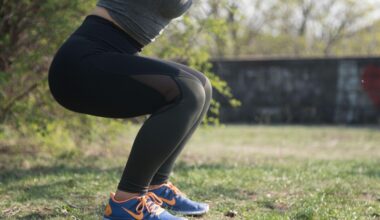
One of the most effective plyometric exercises is the depth jump, which significantly boosts power. Start by standing on a sturdy platform or box, leap off, and upon landing, immediately jump vertically. This exercise emphasizes reactive strength, training the muscles to adapt quickly and efficiently, increasing explosive power. Perform this drill with utmost precision; aim for a soft landing to minimize impact on joints. Integrate varying heights of boxes to adjust difficulty levels and promote progress. Another beneficial drill is the squat jump, where athletes squat down and explode upwards upon reaching the lowest position. This targets the legs, emphasizing strength and power development. Aim for maximum height and perfection in form while performing this exercise. Box jumps are also popular—they involve jumping onto a box or platform from a standing position. This drill improves both strength and cardiovascular fitness while also polishing coordination and balance. Ensure you land softly, and if jumping from a lower height, gradually increase it as you gain confidence and control. With regular practice, these drills can provide noticeable gains in power and explosiveness for any athlete.
Explosive Push-Ups for Upper Body Power
Explosive push-ups offer another dimension to upper body power training. To perform this exercise, lower yourself into a standard push-up position, then push off the ground with enough force to lift your hands off the ground briefly. This quick movement activates the chest, shoulders, and triceps, promoting muscle hypertrophy and increasing upper body explosiveness. As with all plyometric movements, focus on controlling the descent and maintaining a proper body position. Variations, such as clapping push-ups, can further increase the intensity and challenge for experienced athletes. Incorporating resistance bands can also provide added resistance in the concentric phase of the push-up. Additionally, modifying hand placements can target different muscles and add variety to your routine. Regular explosive push-ups can enhance upper body performance in weightlifting, leading to improved lifting capabilities and power generation. Balance this drill with other exercises targeting muscle endurance and stability for overall strength. When integrated into a balanced weekly routine, explosive push-ups can greatly enhance upper body power. Maintain consistent training and proper recovery to maximize benefits from your plyometric exercises.
Another effective drill is the broad jump, beneficial for lower body power enhancement. This exercise involves jumping forward as far as possible from a standing position, utilizing both strength and coordination. Proper technique is crucial; a good broad jump starts with a strong stance, swinging arms to gain momentum and power behind the leap. Focus on landing softly with knees slightly bent to absorb impact. Measuring distance can provide motivation and help track progress over time. Progressing from broad jumps to broad jump variations can elevate your training. Incorporate lateral broad jumps to engage different muscle groups and improve bilateral strength and stability. High knees are also excellent for increased explosiveness and stamina; this movement combines strength training with cardiovascular endurance. While moving in place, lift your knees high while maintaining a quick tempo. This helps develop coordination and burns calories simultaneously. Always practice these drills in a safe, open space to avoid obstacles and injuries. Implementing a variety of drills enhances not only muscle power but also functional strength, enhancing overall athletic performance.
Utilizing Medicine Balls
Medicine ball throws are impactful plyometric exercises that enhance core strength. Begin by choosing an appropriate-weight medicine ball based on fitness levels; a heavier ball will increase resistance. Perform a standing overhead throw by squatting slightly, then explosively thrusting the ball overhead as you stand upright. This action engages numerous muscle groups including the glutes, hamstrings, and core. It’s crucial to maintain a strong core throughout the movement to ensure stability and posture integrity. Partner- or wall-based throws can also diversify your training routine. Experiment with different zones such as chest passes or rotational throws to engage various muscle areas. Ensure to maintain control and alignment of the body during each throw for maximum effectiveness. Furthermore, incorporating rotational exercises can develop functional strength useful for athletes in many sports. As always, warm-up properly before beginning any plyometric session, as this exercise can place considerable strain on muscles and joints, especially the shoulders and lower back. Cool down afterward to encourage recovery and increase flexibility, as proper recovery is equally important to growth and performance.
Another essential drill is the lateral bound, which enhances lateral power and stability. To perform this exercise effectively, stand on one leg, pushing off to leap sideways while landing on the opposite leg. After landing, pause briefly before repeating the movement in the opposite direction. This drill effectively targets the hips, glutes, and stabilizer muscles required during weightlifting. To increase difficulty, perform the jumps with more power and add a degree of speed. Finding a rhythm during this drill encourages greater explosiveness. Box drills can also be incorporated here, jumping over cones or boxes laterally to improve agility and power. These variations help athletes develop overall body control while enhancing performance in their respective sports. Consistent practice of lateral bounds not only improves muscle power but significantly reduces the risk of injury by stabilizing joints. Make sure to perform these drills regularly and combine them with other training aspects such as flexibility exercises and core workouts to optimize results. Like any athletic endeavor, patience is beneficial, and progressive improvements ensure long-term advancement.
Incorporating Rest and Recovery
Effective plyometric training requires proper rest and recovery to prevent fatigue and injuries. Recovery time is essential to allow muscles to repair and adapt after rigorous exercise. Adequate sleep assists with muscle recovery while improving overall performance. Athletes should consider pacing their training sessions to avoid overtraining, which may detract from performance and muscle gains. Alternating hard and easy days, as well as varying exercises during sessions, can protect against both physical and mental burnout. Pay attention to signs of fatigue; include active recovery days dedicated to mobility or moderate exercises like light jogging or yoga. Incorporation of cross-training into your routine can also aid recovery while enhancing fitness in various areas. Furthermore, nutrition plays a vital role; consuming nutrient-dense meals filled with protein and carbohydrates post-workout can boost recovery. Hydration is also crucial—proper fluid intake aids muscle recovery and function. Also, consider incorporating foam rolling or massage to help decrease muscle tension and soreness. Together, these strategies promote not just muscle power but overall athletic development; plan workouts with recovery as a priority for subsequent achievements.
In conclusion, plyometric exercises represent a vital component in any athlete’s training program. From explosive push-ups to lateral bounds, these drills significantly enhance muscle power and overall performance. Emphasis on technique, safety, and recovery ensures that athletes can optimize their workouts while minimizing injury risks. Prioritizing rest days and nutritional strategies also enhances muscle development and performance. While engaging in these exercises improves explosive power, it’s equally essential to balance training with strength-endurance workouts. Consistency and progressive overload in plyometric training lead to outstanding benefits. For the best results, integrate various plyometric drills while continually assessing and adapting the training routine based on individual needs and performance goals. With dedication and structured training, athletes can reap the rewards of plyometric exercises, leading to remarkable enhancements in overall athletic capabilities and weightlifting performance, ultimately achieving fitness aspirations.