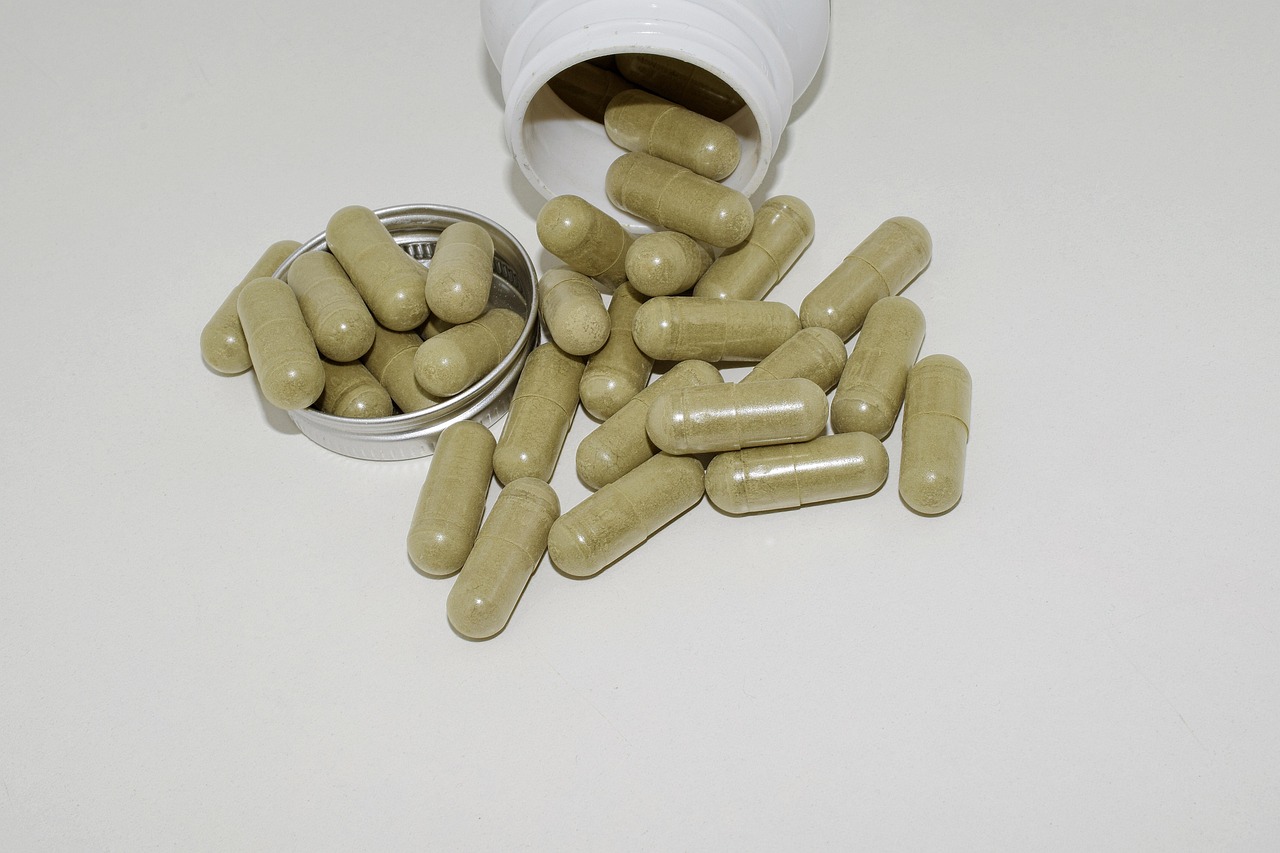

Post-Workout Nutrition: Best Supplements to Aid Muscle Repair
Post-workout nutrition plays a crucial role in muscle recovery, ensuring that the body rebuilds tissues effectively. After intense workouts, muscles undergo stress and damage, which requires appropriate nutrient intake to stimulate repair. The right supplements can aid in this process by providing essential amino acids, vitamins, and minerals vital for recovery. Protein supplements, especially whey protein, have gained popularity due to their rapid absorption and beneficial effects on muscle synthesis. Creatine is another effective aid, known to enhance recovery and increase muscle mass. It works by replenishing energy stores that are depleted during workouts. Furthermore, branched-chain amino acids (BCAAs) like leucine, isoleucine, and valine are instrumental in muscle repair and reducing soreness post-exercise. Consuming these supplements alongside a balanced diet can improve performance and boost recovery significantly. Keep in mind that hydration is also a vital part of post-workout nutrition, helping transport nutrients throughout the body. In conclusion, selecting quality supplements tailored to recovery needs can profoundly impact muscle growth and athletic performance. Always consult healthcare professionals before beginning any new supplement regimen for optimal results.
Another vital supplement to consider is glutamine, an amino acid that plays a significant role in recovery after intense workouts. It helps in replenishing glycogen stores and supports overall immune function, especially in athletes under metabolic stress. Consuming glutamine can reduce muscle soreness and the likelihood of illness that can occur with strenuous training. Furthermore, omega-3 fatty acids should not be overlooked. These healthy fats help to combat inflammation, allowing muscles to recover faster while improving joint health. Incorporating fish oil supplements into a post-workout routine can enhance overall recovery and promote faster healing. Additionally, antioxidants such as vitamin C and E can support recovery by reducing oxidative stress in the body. Including high-quality antioxidant supplements may help athletes maintain endurance and decrease fatigue. Another supplement worth mentioning is magnesium, which is crucial for energy production and muscle contraction. Low levels of magnesium can hinder performance and recovery, making supplementation essential for those who exercise regularly. Overall, a well-thought-out supplement strategy post-exercise can significantly affect how well you recover and perform in subsequent workouts.
It is also essential to consider the timing and method of supplement consumption for maximum effectiveness. Consuming protein and carbs within 30 to 60 minutes post-workout can optimize muscle repair and enhance glycogen replenishment. The combination of protein and carbohydrates effectively spikes insulin levels, which promotes nutrient delivery to muscle tissues. This can lead to increased protein synthesis and decreased muscle breakdown. Therefore, meal planning should take recovery supplements into account, aiming to create a balanced intake of necessary nutrients. For example, a quality protein shake mixed with fruit can serve as a convenient and effective post-workout meal. Alternatively, some may choose to consume solid foods, such as chicken with rice, ensuring the right balance of macronutrients. Remember to pay attention to overall daily nutrient intake as well; it needs to be aligned with individual fitness goals and caloric needs. Furthermore, maintaining a food diary can significantly aid in tracking nutrient intake and supplement effectiveness. By consistently adjusting dietary habits and evaluating supplement results, one can optimize recovery and better support their overall fitness journey. Staying disciplined in nutrition will pay dividends over time.
Hydration and Its Importance
Hydration is another cornerstone of post-workout recovery. Proper hydration ensures that muscle cells function optimally and can significantly effect muscle repair and overall performance. When engaging in vigorous exercise, the body loses fluids through sweat, which can lead to dehydration if not adequately replaced. Dehydration can result in muscle cramps, fatigue, and impaired performance. Therefore, it’s crucial to rehydrate post-exercise to promote nutrient absorption and assist in muscle recovery. Water is essential, but adding electrolyte-enhanced drinks can further help in replenishing vital minerals lost through sweat. These drinks can restore sodium, potassium, and other minerals, assisting the body’s recovery processes. For athletes involved in prolonged workouts, electrolyte recovery drinks may be more beneficial than water alone. It’s recommended to consume fluids throughout the day, ensuring hydration levels are sufficient even before exercising. Some athletes opt for coconut water or commercially available recovery drinks that provide natural electrolytes. Monitoring hydration levels can be done by observing urine color; pale urine indicates proper hydration, while dark yellow suggests a need for fluid intake. By prioritizing hydration, athletes can enhance their recovery and performance overall.
Additionally, beyond supplements and hydration, focusing on nutrient-dense whole foods is an integral part of post-workout recovery. Whole foods like lean meats, fish, legumes, fruits, and vegetables supply vital nutrients needed for muscle repair and growth. For instance, foods rich in antioxidants, such as berries, can help mitigate inflammation and oxidative stress while also boosting overall recovery. Pairing these foods with carbohydrates enhances glycogen replenishment, allowing muscles to recover more fully. Furthermore, consuming healthy fats, like avocados and nuts, can provide a sustained energy source necessary for recovery. Balancing macronutrients through whole foods aids in overall performance and can minimize the reliance on supplements alone. While supplements can offer an edge, they should complement a foundation of wholesome foods. Whole foods offer a range of vitamins, minerals, and beneficial compounds that work synergistically to support muscle recovery. Overall, the combination of effective supplementation and nutrient-rich foods creates a comprehensive strategy for optimizing both recovery and athletic performance. Remaining mindful of dietary choices can lead to better health and fitness outcomes long-term.
Monitoring and Adjusting Supplements
Monitoring one’s response to supplements is critical for maximizing their benefits. Each individual’s response to supplements can vary based on genetics, diet, and exercise habits. It is essential to keep track of performance and recovery by assessing changes over time. Some might notice improved recovery and reduced soreness, while others may not experience the same benefits. Adjusting dosages and timing based on such observations ensures that the supplement regimen aligns with personal goals. Furthermore, consulting with nutritionists or dietitians can provide insight into which supplements are most beneficial and tailored for specific needs. Regular evaluations can guide modifications in supplement choice, helping to optimize individual dietary strategies. There might also be a need to cycle certain supplements to maintain effectiveness or prevent the body from adapting. For instance, creatine cycling is a common practice that may enhance long-term results. It’s equally important to stay informed about research developments regarding new supplements. As the field of nutrition is always evolving, staying updated can lead to better dietary decisions. Collectively, maintaining an adaptive approach helps in achieving sustained fitness and recovery improvements over time.
Lastly, individual preferences and intolerances should also direct supplement choices. Some athletes may have allergies or dietary restrictions that could limit the effectiveness of certain supplements. Therefore, exploring different products to find what works best for one’s body is essential. Plant-based proteins may be preferable for those who are vegan or lactose intolerant, while still ensuring that adequate protein intake is achieved. Additionally, individuals need to consider the ingredient quality of supplements available in the marketplace. Third-party testing and certification can ensure that products are free of harmful substances and contaminants, contributing to overall health. Reading reviews and seeking advice from experienced athletes can also help in making informed decisions. Understanding how the body responds to these supplements allows for a more personalized approach. Ultimately, a well-rounded recovery plan relies on appropriate supplement usage tailored to individual needs, preferences, and dietary restrictions. Those who take the time to evaluate and select the right supplements will likely notice improvements in recovery, performance, and overall well-being.