
Improving Hip Mobility for Greater Flexibility and Balance
Hip mobility is crucial for maintaining overall flexibility and balance as we age. Improving this aspect of physical health enhances not only performance in sports but also daily activities. Regular hip mobility exercises can alleviate common issues like tightness and discomfort in the hips, which can affect posture and gait. To start, individuals should incorporate a variety of stretching routines focusing on the hip flexors, glutes, and surrounding muscles. In these exercises, it’s important to focus on proper form to prevent injury and maximize benefits. As hip mobility increases, individuals often notice a significant improvement in their overall mobility and stability. A tailored approach that includes bodyweight exercises, resistance training, and dynamic stretches can lead to optimal outcomes. Regular training sessions not only promote flexibility but also improve strength in the lower body, leading to better balance. Engaging in activities such as yoga or Pilates can create a balanced routine that supports hip mobility. Ultimately, investing time in hip mobility exercises pays off in achieving a well-rounded, fit, and resilient body in everyday life. Consistency is key for seeing lasting results.
The Importance of Warm-Up Exercises
Before delving into specific hip mobility routines, understanding the importance of warm-up exercises is paramount. Warming up prepares the body for physical activity, increasing blood flow to muscles and improving overall performance. A proper warm-up gradually raises the heart rate and enhances muscle elasticity, reducing the risk of injury. When focusing on hip mobility, warm-up exercises can include gentle stretches and dynamic movements that engage the hip area. For instance, performing leg swings or gentle hip circles can loosen the joints and muscles effectively. Additionally, a good warm-up also helps in mentally preparing the individual for the workout ahead, allowing for better focus and execution. This initial phase should last about 10-15 minutes and can be tailored to an individual’s fitness level and requirements. Furthermore, integrating warm-up exercises into the routine ensures that hip mobility work is performed in a safe environment. Practicing these principles sets a strong foundation for improving flexibility and balance over time. A comprehensive approach involves listening to the body while encouraging gradual increases in intensity as mobility improves, fostering sustainable growth and enhancement of physical capabilities.
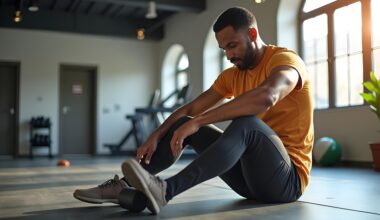
One popular and effective exercise for improving hip mobility is the 90/90 stretch. This stretch targets both the internal and external rotators of the hip joint. To perform it, sit on the ground with one leg bent in front of you at a 90-degree angle while the other leg is positioned behind you, also bent at 90 degrees. Lean forward gently, keeping your back straight, while focusing on the stretch in your hips. Hold this position for approximately 30 seconds before switching sides and repeating. Gradually, individuals can increase the duration of each hold to further improve mobility. The 90/90 stretch can be incorporated into a broader routine aimed at enhancing flexibility and balance. This stretch not only increases hip flexibility but also strengthens the surrounding muscles. For added difficulty, individuals can perform gentle twists or movements in the stretch to engage different muscle groups. Creating muscle memory in these positions helps promote better range of motion over time. A consistent practice of mobility exercises like these aids in maintaining hip health throughout various stages of life, leading to fewer injuries and improved overall movement.
Incorporating hip flexor stretches is equally important for achieving hip mobility. The hip flexors are anchor points for movement patterns, and tightness in these muscles can drastically affect mobility. A common exercise involves stepping into a lunge position while keeping the back leg straight. This position creates a deep stretch in the hip flexor of the back leg. Individuals should maintain proper alignment while ensuring that the knee does not extend beyond the toes in front. Hold this stretch for about 20 to 30 seconds and repeat on the opposite side. This move helps in opening up the hips while simultaneously strengthening the stabilizer muscles. In addition to lunges, individuals can also perform the pigeon pose from yoga, which effectively loosens tight hips. Over time, these hip flexor stretches contribute significantly to overall balance, making movements sublimer while achieving a more flexible body. It’s advisable to engage in these stretches consistently to experience noticeable changes in mobility. Furthermore, finding a rhythm and frequency for these exercises will yield optimal results, integrating them into daily routines for lasting improvements.
Dynamic Movements to Enhance Hip Mobility
Besides static stretching, incorporating dynamic movements can boost hip mobility effectively. Dynamic stretches are movements performed through the full range of motion, which warm up the muscles while also increasing flexibility and coordination. Activities such as leg swings, where one leg swings forward and backward, are excellent for this purpose. Individuals can perform this exercise while standing, holding onto a wall or railing for support. Performing about 10 swings on each leg enhances not only hip mobility but also overall lower body engagement. Another dynamic movement to include is the deep squat, where the individual squats down while keeping the heels on the ground and endures a wide stance. This position stretches the hips, groin, and lower back, promoting increased flexibility. Integrating these dynamic movements into a daily warm-up routine ensures that the hips become more limber. Additionally, these movements activate synergistic stabilizing muscles, preparing the body for dynamic activities such as running, jumping, or dancing. Over time, a regimen filled with dynamic exercises creates a powerful synergy between mobility and balance, paving the way for improved performance in numerous physical activities.
After practicing hip mobility exercises consistently, it’s crucial to measure progress over time. Tracking improvements can impact motivation and encourage adherence to exercise routines. One effective way to check progress is through regular assessments of flexibility and range of motion. Individuals can repeat specific exercises and observe their ability to reach further or maintain proper posture more effortlessly. Jotting down milestones in a fitness journal can also motivate individuals to stay committed. Recognizing that improvements take time is essential to uphold a positive mindset while engaging in mobility training. Moreover, tailored fitness apps that track progress can help individuals stay accountable for their hip mobility goals. Additionally, including personal observations or feedback from trainers or peers enables growth in understanding personal limits. Participating in group classes or workshops focused on mobility encourages learning and stimulates social connections, enhancing commitment. Maintaining patience while noticing small victories can reinforce efforts, making the process enjoyable. Ultimately, aiming for gradual improvement rather than perfection allows individuals to appreciate their journey toward achieving better balance and flexibility through hip mobility exercises.
Finally, integrating balance training alongside mobility exercises cultivates a comprehensive approach to physical fitness. Balance is closely related to mobility—better hip flexibility translates to improved stability. Engaging in activities such as yoga, tai chi, or Pilates can enrich an individual’s routine by incorporating both elements. Specific exercises like the single-leg stand enforce balance and core stabilization, promoting greater control during movements. Balancing on one leg while engaging the hip muscles enhances proprioceptive awareness, which is essential for preventing injuries. The combination of mobility and balance training is particularly important as people age to maintain independence in daily tasks. As strength and stability increase, individuals are more capable of engaging in adventurous activities that they may have previously avoided. Moreover, group classes focusing on these aspects can also foster a sense of community and encouragement among peers. As individuals progress in their fitness journey, they will likely discover a greater appreciation of their body’s capabilities. The intertwining of mobility and balance gives rise to more agile bodies ready to tackle life’s challenges with confidence, leading to an overall sense of well-being.