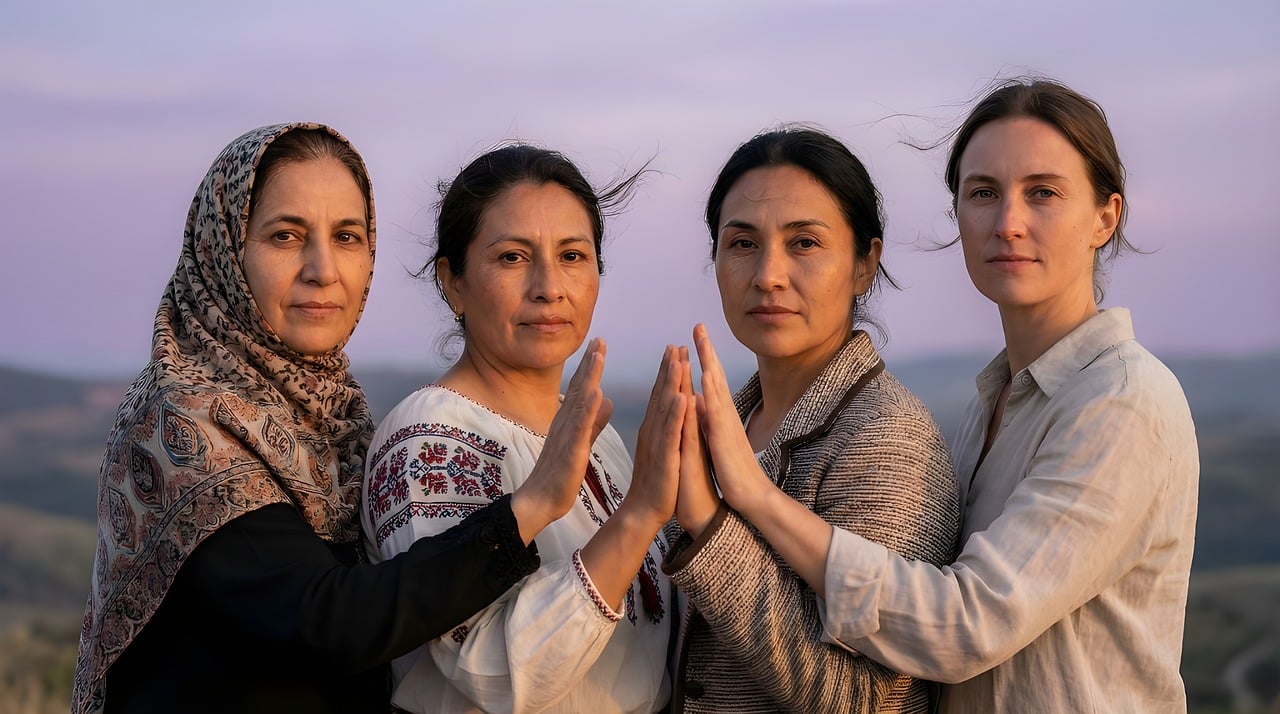

Intergenerational Group Fitness: Benefits of Mixed-Age Classes for Seniors
Group fitness classes that bring together various age groups can significantly benefit seniors. These mixed-age environments foster a sense of community, helping older adults feel more connected and engaged. Intergenerational dynamics enrich interactions, as seniors can learn from younger participants while imparting their wisdom and experience. For instance, younger members may introduce new exercises and techniques that can invigorate seniors’ routines. Additionally, these classes encourage adaptability, as seniors can observe the energetic pace and agility of younger participants, possibly motivating them to push their limits. Exercise itself is crucial for enhancing physical health among seniors. With improved flexibility, balance, and strength often demonstrated in intergenerational classes, older adults can experience fewer falls and better overall well-being. Many seniors report feeling empowered through their participation, as they contribute to the group and showcase their abilities. Furthermore, engaging with younger individuals can cultivate a positive mindset in seniors, mitigating feelings of isolation. Thus, these mixed-age classes not only promote physical fitness but also emotional well-being, establishing a supportive circle where every member thrives.
Physical activity can genuinely transform the lives of seniors, especially within a supportive community such as intergenerational group fitness classes. These settings provide a variety of exercises tailored to accommodate different fitness levels, making it easier for participants to choose activities that meet their personal needs. Diverse routines can include strength training, aqua aerobics, dance, and yoga, offering something appealing for everyone. Moreover, these interactions contribute to building social skills and emotional connections. Shared experiences during workouts help seniors develop friendships, combat loneliness, and create lasting bonds with those from different generations. This dynamic enables them to feel a sense of belonging and companionship in a world that sometimes feels isolating. To maximize the effectiveness of such classes, instructors should consider diverse programming that accommodates various interests and abilities. For example, incorporating music can motivate participants and enhance their enjoyment. Instead of viewing exercise as a chore, individuals in mixed-age classes often perceive it as an exciting activity. Overall, intergenerational group fitness encourages seniors to engage both physically and socially, ultimately enriching their lives.
The Role of Motivation in Fitness
When it comes to fitness for seniors, motivation may fluctuate, particularly when engaging independently. However, in a mixed-age group setting, this motivation can soar. The enthusiasm of younger participants can be infectious, encouraging older adults to push through challenges and remain committed to their fitness goals. Furthermore, observing younger individuals successfully accomplishing difficult tasks can serve as inspiration, prompting seniors to attempt similar feats. This motivational ripple effect fosters a supportive environment, allowing seniors to celebrate the successes, both big and small, of their peers. A sense of camaraderie emerges, making attendees more likely to attend regularly and remain committed to their fitness routines. Having someone to exercise alongside can also introduce accountability, as seniors not only support friends but also feel encouraged to show up for others. When seniors witness younger members sharing techniques or working together on paired exercises, it instills confidence and a sense of community. Moreover, physical health alone can improve mental wellness, as consistent participation bolsters seniors’ moods and emotional states. Such growth transforms their outlook on fitness and carries over into other aspects of life.
Social interaction is a crucial ingredient that aids in fostering a healthier lifestyle for seniors, particularly through intergenerational group fitness. This interaction not only serves to engage seniors emotionally but also positively affects their mental health. Research demonstrates that socialization can reduce feelings of anxiety and depression, allowing seniors to experience a greater sense of happiness. Within these classes, seniors are encouraged to communicate, share experiences, and offer words of encouragement to one another. When seniors are actively involved in meaningful discussions, they have the opportunity to reminisce, share stories, and learn from one another. Such exchanges may instill a renewed sense of purpose and drive. Additionally, incorporating fun games within workout routines can further enhance group interactions. These light-hearted activities not only promote camaraderie but also contribute to participants’ enjoyment, thus helping them focus on fitness more. Positive experiences create anticipation for future classes. The longer seniors engage in these activities, the more they tend to feel revitalized and filled with energy. Ultimately, social interactions in these classes enhance seniors’ motivation, inviting them to remain active, share joy, and build relationships.
Health Benefits of Regular Exercise
Engaging in intergenerational group fitness classes exposes seniors to various beneficial exercises tailored for their needs. These classes often incorporate cardiovascular, flexibility, and strength components, providing a well-rounded fitness experience. Cardiovascular activities help improve circulation and maintain a healthy heart, thereby reducing the risk of chronic illnesses such as heart disease or diabetes. Furthermore, enhanced flexibility aids in maintaining mobility and independence as seniors age. Resistance training can significantly strengthen bones and muscles, reducing the likelihood of falls or fractures. By embracing a comprehensive exercise regimen, seniors can address their unique health challenges and reduce dependence on medications. Another notable benefit of regular exercise is weight management, an essential aspect of staying healthy as people age. Participating in these mixed-age classes not only enhances physical fitness but also supports mental well-being. Many attendees report reduced symptoms of anxiety and stress as they become more physically active. Thus, by attending intergenerational fitness classes, seniors can experience a holistic improvement in their overall health, cultivating a vibrant lifestyle again.
One of the overlooked advantages of participating in intergenerational group fitness classes is the opportunity for skill sharing and learning. In such environments, seniors often find themselves in positions where they can share their unique talents or experiences with younger individuals, fostering personal growth. Learning new moves or techniques can rejuvenate seniors’ routines by introducing them to innovative exercises. Younger attendees may demonstrate modern fitness approaches, while seniors contribute valuable life lessons and insights. This exchanging of knowledge generates a collaborative atmosphere, encouraging everyone involved to learn and grow from each other. When seniors feel empowered to take an active role in these classes, their confidence levels often soar. Gaining new skills or mastering a challenging workout fosters a strong sense of accomplishment, igniting a newfound passion for fitness. Moreover, this collaborative approach can help eliminate the stigma associated with aging, showing that fitness does not have a defined age limit. Through sharing skills, seniors reinforce their innate ability to adapt and thrive in any situation, proving that they can face challenges with determination and enthusiasm.
Conclusion on Intergenerational Group Fitness
In summary, intergenerational group fitness classes provide a multitude of benefits for seniors, fostering not only physical health but also emotional well-being. By engaging in these environments, seniors are presented with opportunities for social interaction, motivation, and skill sharing. The combination of physical activities, collaboration, and connections with younger generations cultivates a vibrant sense of community. These classes encourage seniors to embrace physical fitness while simultaneously enriching their emotional and social lives. More importantly, engaging in intergenerational activities creates a supportive environment that celebrates diversity and shared experiences. By participating in group fitness activities, seniors report feeling energized and confident, reinforcing the importance of staying active. The mutual respect and admiration developed within these classes allow seniors to reflect their value and contributions to society. Group fitness for seniors, particularly when involving younger individuals, marks a shift toward a more interconnected way of living. As more seniors embrace intergenerational classes, they pave the way for healthier lifestyles, strong relationships, and a brighter outlook overall.
In conclusion, embracing the concept of intergenerational group fitness classes lays a solid foundation for more inclusive health initiatives. By cultivating understanding between generations, seniors can not only enhance their physical abilities but also gain new friendships, insights, and a strong sense of belonging. As fitness programs increasingly recognize the merits of multigenerational connections, they will continue paving the way for healthier and happier communities. By providing much-needed social interaction and motivation within fitness environments, intergenerational classes play a crucial role in enhancing the quality of life for seniors and people of all ages. Transitioning toward shared fitness experiences encourages participants to listen, learn, and uplift each other responsibly. These innovative approaches to fitness and community reinforce the idea that camaraderie extends beyond age boundaries. Consequently, all generations cultivate thriving connections that instill a sense of rejuvenation and joy. As more individuals acknowledge the drive for interconnectedness in exercise settings, the wellness of entire communities will undoubtedly improve. Today, seniors and younger adults alike are redefining healthy living, ensuring a more vibrant and dynamic future for those engaged in fitness.