
How Tai Chi Enhances Posture and Spinal Stability
Tai Chi, often described as a form of moving meditation, plays a transformative role in enhancing posture and spinal stability. The practice incorporates slow, deliberate movements that encourage mindful awareness of the body. This emphasis on alignment and balance helps practitioners become more attuned to their posture. By learning how to distribute weight evenly and hold the body correctly, individuals commonly experience reduced tension in the neck and shoulders. Furthermore, Tai Chi fosters flexibility, which is integral to improving spinal health. Gentle twisting and bending movements promote mobility within the spine, making it less likely to feel stiff. Participants often find that they can better control their movements while reducing the risk of falls, a common concern as people age. Additionally, the slow and steady pace encourages longevity in practice, allowing muscles and joints to strengthen over time. Practicing Tai Chi regularly can lead to improvements in overall body awareness, which translates to more effective posture management in daily activities. As a holistic approach to fitness, Tai Chi not only enhances physical health but also nurtures mental clarity and emotional well-being.
Understanding Posture and Its Importance
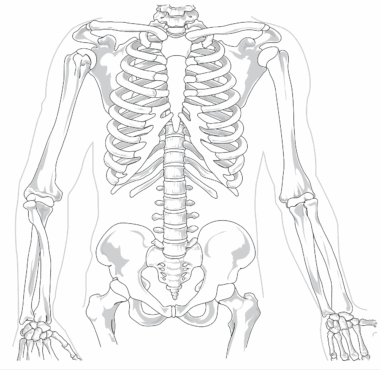
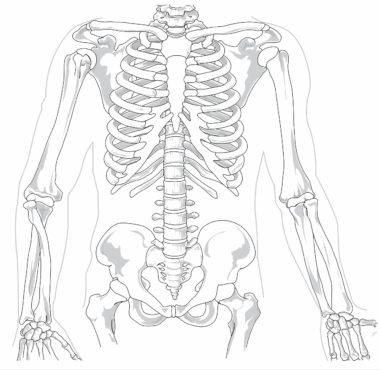
Posture refers to the position in which we hold our bodies while standing, sitting, or lying down. Maintaining proper posture is crucial for overall health, influencing how our bones, muscles, and joints align. Good posture distributes weight evenly across the body, minimizing strain on the spine and reducing the risk of any injuries. Poor posture can lead to discomfort, particularly in the back and neck, and is often worsened by sedentary lifestyles. By adopting healthy postural habits, individuals can keep spinal joints aligned, decreasing the chances of degenerative diseases. Moreover, posture affects breathing; slumped positions can restrict lung capacity, limiting the amount of oxygen that reaches the body’s systems. The importance of posture extends beyond physical effects, influencing confidence and self-esteem as well. People with good posture often project a more assertive image, while poor posture can be associated with anxiety and discomfort. Tai Chi addresses posture holistically, allowing practitioners to learn proper alignment gently. This is coupled with breath control techniques, forming an invaluable aspect of their exercises. By understanding the importance of posture, practitioners can usher in lasting changes that benefit overall health.
Incorporating Tai Chi into a regular fitness regime offers numerous benefits for individuals seeking to enhance their posture and spinal health. The practice emphasizes slow, controlled movements that foster muscle awareness and body alignment. As practitioners learn through repetition, they develop strength in the core, back, and leg muscles which are essential for maintaining good posture. Balance is another critical element emphasized in Tai Chi. By mastering balance techniques, practitioners strengthen the stabilizing muscles that support spinal health. This creates a solid foundation for the spine, reducing the risk of injuries and discomfort associated with poor posture. In addition, the meditative aspect of Tai Chi helps to reduce stress and anxiety. This relaxation contributes significantly to better alignment since tension in muscles can lead to poor posture. Through intentional movement, participants learn how to release this tension effectively. Over time, regular practice nurtures a sense of awareness, empowering individuals to correct their posture throughout their day-to-day activities. Consequently, Tai Chi becomes a transformative tool not just for physical fitness but also for cultivating a mind-body connection that fosters balance and stability.
The Role of Core Strength in Posture
The core muscles play a pivotal role in maintaining proper posture and spinal stability. A strong core supports the spine, keeping it in alignment and reducing the propensity for back discomfort. Tai Chi addresses core strength through various postures and movements that focus on activating these crucial muscle groups. Participants engage in exercises that require the contraction and coordination of the abdominal and back muscles, fostering greater stability. This stability is integral to enhancing posture as it allows the body to respond better to the demands of daily activities. Moreover, a stable core helps in maintaining balance and preventing falls, a significant concern for aging individuals. In this way, Tai Chi not only promotes strength and conditioning of the core but also serves as a preventive measure against the injuries associated with weak posture. By revitalizing the core, practitioners can expect improvements in their overall physical endurance and mobility as well. This interconnectedness of core strength, posture, and spinal health exemplifies how holistic practices like Tai Chi can benefit individuals at any age. Through the continual engagement of core muscles, practitioners build a strong foundation for efficient movement.
Regular engagement in Tai Chi can significantly enhance spinal mobility, which is so important for overall physical well-being and ease of motion. The gentle, flowing movements of Tai Chi increase flexibility within the spine, allowing for a wider range of motion. This increased mobility is especially critical as individuals age, as stiffness can lead to reduced functionality over time. By promoting spinal flexibility, Tai Chi helps alleviate discomfort that often arises from rigidness. Furthermore, the fluid nature of Tai Chi movements contributes to the maintenance of healthy intervertebral discs, which are crucial for cushioning the spine during movement. When the spine remains flexible, it can better absorb shocks from daily activities without inflicting stress on adjacent structures. Additionally, such practices encourage better hydration of spinal joints, contributing to enhanced overall spinal health. As practitioners become more engaged in their movements, they also cultivate greater awareness regarding their posture in static positions. This mindfulness effectively transfers to everyday activities, encouraging individuals to maintain proper posture even outside of training sessions. The benefits of this increased mobility cannot be overstated, as they directly support a healthier and more active lifestyle.
Mindfulness and Its Link to Posture
Practicing Tai Chi inherently cultivates mindfulness, a state characterized by heightened awareness of the present moment. This mindfulness translates deeply into body awareness, particularly regarding posture. With regular practice, individuals become more cognizant of their body mechanics and alignment in all life aspects, ensuring that they correct poor posture whenever recognized. Enhanced awareness cultivates an improved sense of balance, aiding in the preservation of spinal stability. Mindfulness also allows practitioners to tune into their bodies, identifying tension or misalignments before they become problematic. Moreover, this focused concentration can ease the stress that often leads to poor postural habits. Allowing oneself to be present in each movement fosters a more intentional and healthy body alignment. The meditative components of Tai Chi create a soothing effect, allowing the body to release unnecessary tension. This invites relaxation and ease into movements, positively influencing posture. Engaging in Tai Chi as a form of mindful exercise fosters a holistic approach to not only enhancing physical well-being but also protecting mental health. Consequently, it nurtures a greater understanding of how one carries oneself, leading to a more graceful and poised demeanor.
Lastly, Tai Chi offers a community aspect that can motivate individuals on their journey toward better posture and spinal health. Practicing in groups fosters social connections, which significantly contributes to accountability and encouragement. As individuals engage in Tai Chi classes, they are reminded of the importance of maintaining proper posture through shared experiences and guidance from instructors. Positive reinforcement within a community setting encourages continued practice and exploration of movements that strengthen spinal health. Participants can benefit greatly from observing others, learning about different approaches to posture correction, and receiving constructive feedback. Additionally, this communal interaction often reduces feelings of isolation, which can accompany physical ailments or concerns regarding posture and stability. Encouragement from peers fosters a safe environment for learning, where individuals can feel empowered to ask questions and express their challenges. The social aspects of Tai Chi make the journey toward better posture not only achievable but rewarding. As individuals share their improvements, a collective sense of progress unfolds and reinforces the values of health, unity, and support. Overall, this aspect augments the physical benefits and enhances the psychological and emotional dimensions of well-being.