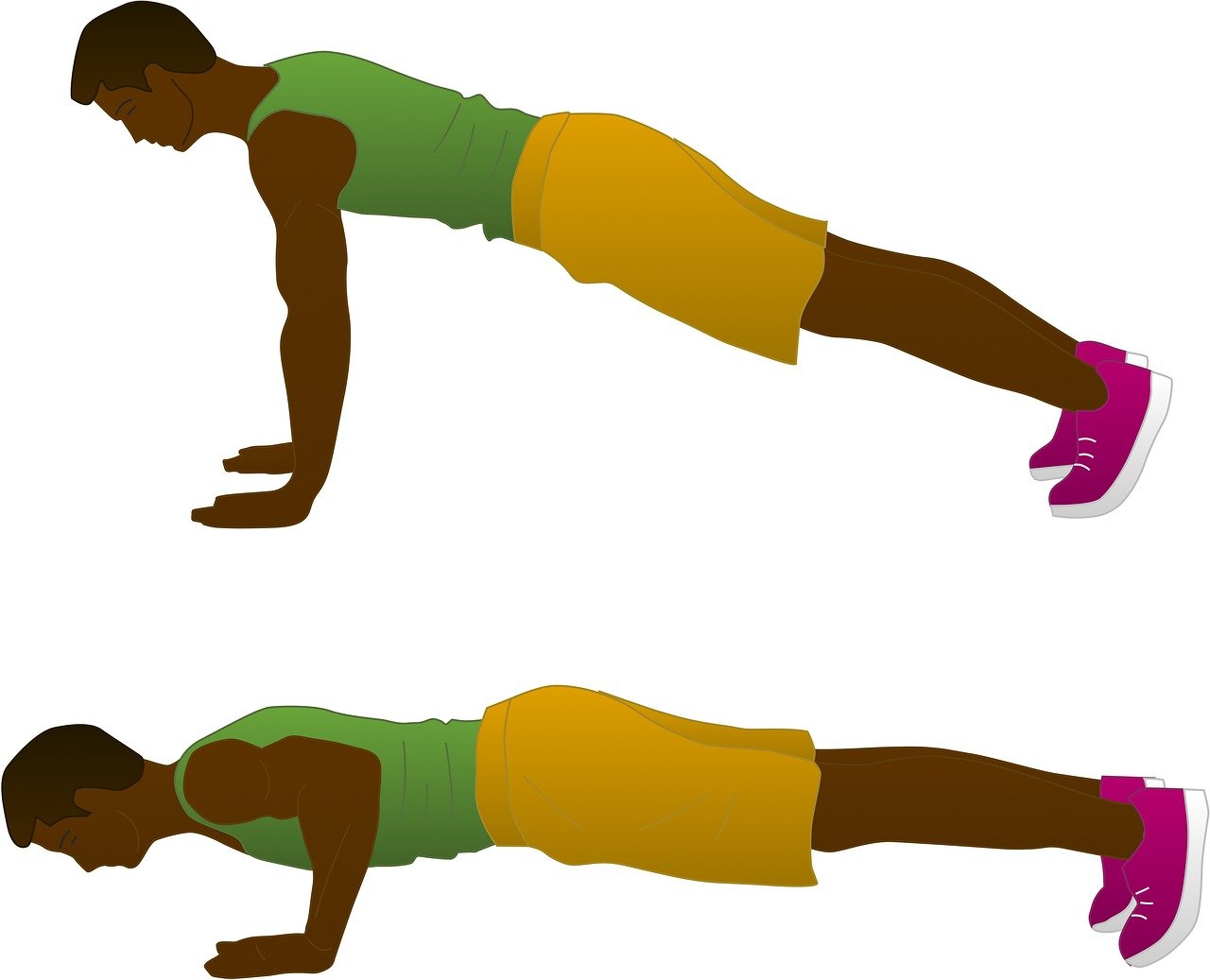

How to Modify Push-Up Variations for Injuries or Beginner Levels
Push-ups are a fundamental bodyweight exercise that builds upper body strength. However, modifying push-ups is crucial for individuals recovering from injuries or for beginners. Various push-up variations serve different fitness levels and needs. Understanding how to adapt these exercises can prevent strain or discomfort. For those new to exercise, starting with a basic push-up might be too challenging. Adjustments allow beginners to effectively engage their muscles without risking injury. For instance, wall push-ups are a great entry point. They provide the same benefits as traditional push-ups but with less body weight. This can help build familiarity and confidence. Furthermore, knee push-ups are another excellent alternative for those struggling with balance or strength. Holding a proper form is key, even in adaptations. To perform knee push-ups, ensure your knees are aligned with your hips and your hands are positioned right under your shoulders. Most importantly, focus on your breathing and keep the core engaged throughout the movement. These adaptations help in establishing a solid foundation before progressing to more advanced push-up variations.
Another vital aspect of modifying push-ups involves using rests or supports for those dealing with injuries. Sticking to the proper form while considering your body’s signals can significantly reduce the risk of aggravating existing injuries. A great way to modify the push-up is by using an elevated surface, such as a bench or a table. This adjustment helps decrease the load on your arms and shoulders. When using an elevated surface, the mechanics of a push-up change, but the fundamental muscle engagement remains. Consequently, this provides a safer option for individuals with shoulder, wrist, or lower back issues. Additionally, foam blocks can help with wrist discomfort during standard push-ups. By placing your hands on these blocks, you can alleviate pressure and improve comfort, making it easier to maintain good form. It’s essential to pay attention to your body’s reactions. Relying on supports or alterations may hinder progress, leading to frustration. Therefore, pacing and being patient is key. Consulting with a fitness professional may also contribute positively to finding the most suitable modifications.
Incorporating Resistance Bands
In addition to adapting your body position, you can improve the effectiveness and comfort of push-ups by incorporating resistance bands. They add a level of versatility and can provide essential support during the exercise. By anchoring a resistance band under your palm or foot, you can distribute some of the weight. This approach can particularly benefit beginners or those rehabilitating an injury by allowing them to perform push-ups with less intensity. Furthermore, these bands can also facilitate an increased challenge as strength develops. Switching to a thicker band can enhance your push-up difficulty as well. When using resistance bands, maintaining correct posture is crucial. Focus on your back being straight and your core braced throughout the movement. Regularly checking your form while using the bands will ensure your muscles are engaged appropriately. Conversely, inconsistency when using these bands can lead to improper alignments. Keeping your movements controlled and steady will greatly enhance the effectiveness for all strength levels. Push-up variations with resistance bands deliver benefits in strength while making exercise more accessible for individuals recovering from injuries.
When selecting the right push-up variations, consider your specific needs and fitness goals. There are diverse options depending on the intensity required or if certain muscle groups need more focus. In particular, incline push-ups can target different muscles than standard push-ups while being easier on the joints. This variation focuses on the chest and triceps while aligning the body differently. Alternating between incline and traditional push-ups not only keeps the routine engaging but also maximizes muscle development. Also, one-arm push-ups serve as a challenging variation, but they require significant strength and stability. It’s crucial to gradually work toward this variation if you haven’t achieved enough strength. Modifying your stance, such as widening your feet, can create more stability. Additionally, focusing on slower tempo might help with control and strength. Ultimately, experimenting with various modifications will benefit overall strength. It’s imperative to understand your limits and progress safely. Taking the necessary time to find what works best for your body will positively influence your entire push-up experience.
The Importance of Warm-Up and Cool Down
Prior to engaging in any push-up variations, especially if you’re dealing with injuries or are a beginner, proper warm-up routines are essential. They prepare your muscles and joints for more strenuous activities, minimizing the risk of injuries during your workout. Dynamic stretches for the shoulder, wrist, and chest areas can help increase blood flow. Incorporating movements such as arm circles or wall slides can loosen up tight areas. Furthermore, don’t overlook the need for a cool-down after your workout. Stretching post-exercise eases muscle soreness and promotes flexibility. Simple stretches targeting your chest, shoulders, and wrists can significantly expedite your recovery. Engaging in static stretches for at least 10-15 minutes will help relax the muscles. Also, maintaining a balanced fitness routine with strength and flexibility training is crucial for sustained fitness. This impactful combination improves muscle endurance, stability, and prevents repetitive strain injuries over long-term. Consistency in both warm-ups and cool-downs could lead to better push-up performance. Paying attention to your body’s signals is vital throughout the progress made in various push-up modifications.
In the quest for fitness, individuals often face various challenges when starting with push-up variations. Modifications greatly assist in accommodating those experiencing difficulties or recovering from injuries. Remaining aware of these challenges is necessary as it encourages a gradual and consistent workout regime. Set achievable goals for your push-up journey. For beginners, aiming for even a few push-ups at the beginning means positive progress. Alternatively, if you have the goal to increase your repetitions every week effectively, pay attention to signs of strain. Overexertion can lead to setbacks, making it important to listen to your body. Utilizing a fitness journal to track progress helps maintain motivation. Recording workout sessions, improvements, and changes in endurance allows for greater reflection. In some cases, pairing up with a workout buddy also encourages accountability and provides a positive peer environment. Furthermore, prioritize a healthy diet for muscle recovery and energy. Overall, acknowledging the significance of personal modifications ensures a more enjoyable and sustainable approach to push-up variations. Eventually, the goal is to build both strength and confidence.
Conclusion: Focus on Progress
Ultimately, modifying push-up variations for injuries or beginner levels is an effective strategy that encourages progress without compromising safety. Everyone’s fitness journey is unique, requiring alternative approaches to suit specific needs. From wall push-ups to advanced one-arm variations, adapting exercises makes bodyweight workouts accessible for all. Being consistent is important for growth and improvement in strength. Gradually increasing the push-up challenge will develop muscle engagement, enhancing overall endurance. When starting this journey, remember to celebrate small victories; every modified push-up counts as progress. Establishing proper form remains critical at every stage, as it influences long-term outcomes. Moreover, incorporating a balanced fitness approach encompassing strength, flexibility, and recovery techniques ensures a well-rounded fitness routine. In addition, staying informed about different push-up variations and their benefits will support informed decision-making about your workout strategy. Engage with fitness communities online or consult professionals if you seek deeper insights. In conclusion, adapting push-ups for injuries or beginners opens doors to physical fitness and promotes empowerment, growth, and self-discovery in your personal fitness adventure.