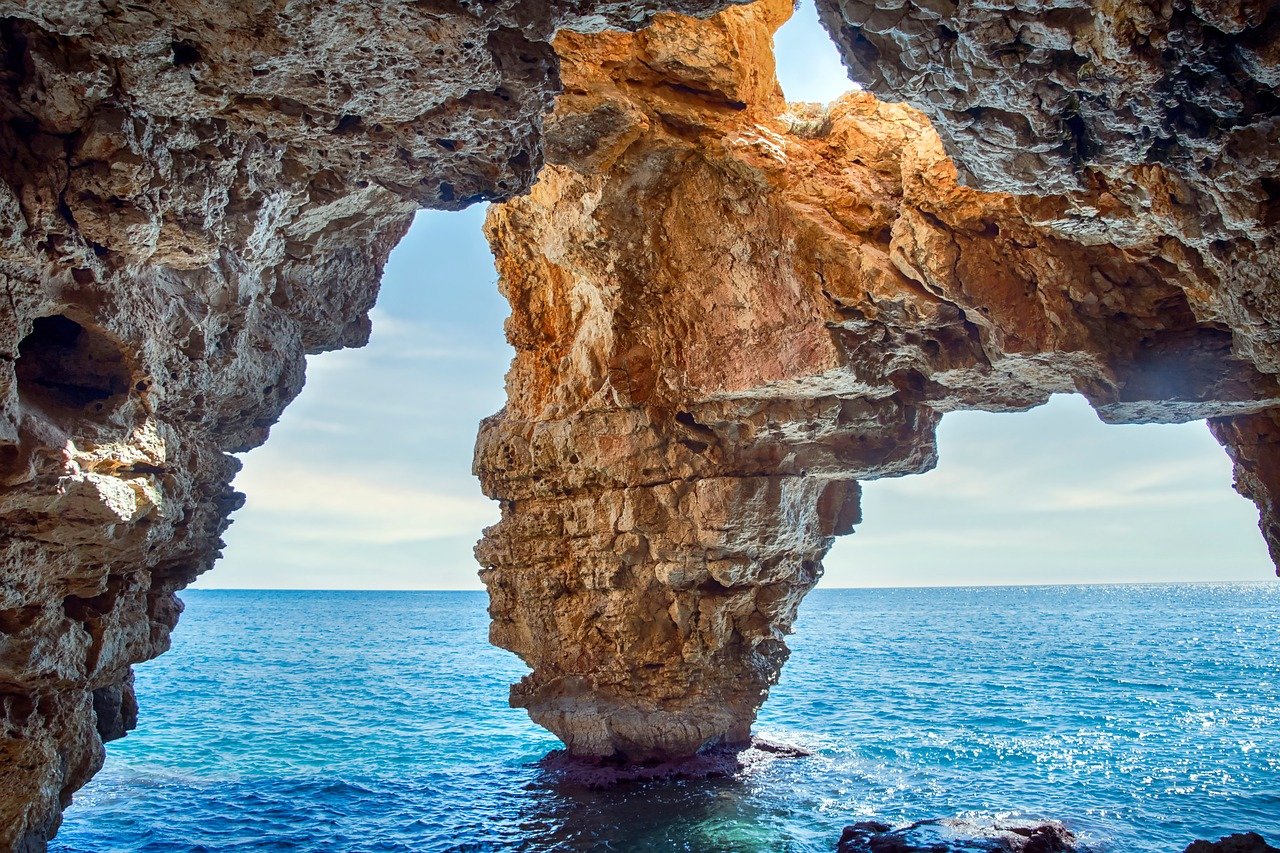

The Role of Blue Spaces in Environmental Fitness and Well-being
Blue spaces, referring to bodies of water like rivers, lakes, and oceans, play a crucial role in enhancing environmental fitness and overall well-being. These spaces provide significant benefits, including recreational opportunities and biodiversity support. Exposure to water bodies has been linked to improved mental health and stress reduction, allowing individuals to connect with nature. Research shows that spending time near water can decrease feelings of anxiety and depression. It promotes a sense of community and belonging, contributing positively to public health. Outdoor activities such as swimming, kayaking, and fishing in these environments encourage physical fitness. Water can be calming, fostering meditation and reflection opportunities as well. Nature-based solutions derived from blue spaces offer sustainable methods for addressing urban challenges. Additionally, protection and restoration of these areas are essential for ecosystem health. Strategies like wetland restoration not only improve water quality but also provide habitats for diverse wildlife. As climate resilience becomes increasingly essential, incorporating blue spaces in urban planning is a priority. The integration of water features in landscapes enhances aesthetic appeal and provides vital ecosystem services that benefit all. Consequently, understanding their importance is paramount to public health and environmental sustainability.
Physical Benefits of Proximity to Water
Proximity to blue spaces significantly contributes to community health and physical activity levels. Engaging in activities near water bodies, such as jogging along a river or cycling by a lake, can lead to increased regular exercise and improved cardiovascular health. Studies indicate that individuals living near aquatic environments tend to be more active than those who do not have such access. This correlation emphasizes the necessity to preserve and enhance these areas. Furthermore, water activities like swimming and paddleboarding are enjoyable and promote physical well-being. These activities not only improve fitness levels but also allow for a healthy way to socialize with others, cultivating community ties. Moreover, blue spaces serve as ideal venues for physical education and community events aimed at promoting active lifestyles. Such initiatives can foster lifelong habits of fitness and well-being. Creating parks and recreational areas around water can facilitate these benefits in urban settings. Additional designs, such as trails and viewing platforms, can enhance accessibility to these scenic locations. As a result, urban planners must prioritize integrating blue spaces into community development plans to maximize their health benefits and overall environmental impact.
Exposure to blue spaces fosters emotional and psychological well-being through several mechanisms. Nature’s calming effects, particularly water’s soothing presence, can alleviate stress and encourage relaxation. Research indicates that time spent by water can enhance mood and inspire creativity. Activities like meditation and mindfulness, practiced in serene environments, are often more effective near water. The sound of waves or rippling water can contribute to a tranquil atmosphere, promoting a sense of peace. Moreover, blue spaces are hubs for social interaction and storytelling, which is essential for emotional connection and mental health. Community events held near water can create supportive environments conducive to forging relationships. Understanding the therapeutic potential of these places helps inform public health strategies, making access to water a public health priority. Blue spaces also function as natural filters, improving air and water quality, which contributes to a healthier environment overall. Such qualities elevate the intrinsic value of these natural sites and underscore their role in promoting collective well-being. Consequently, investing in blue spaces can lead to healthier, happier communities able to withstand life’s stresses and challenges. Thus, these environments should be safeguarded to ensure ongoing public access and enjoyment.
Ecological Significance of Blue Spaces
Blue spaces are effective in sustaining diverse ecosystems and providing significant environmental services in communities. They form crucial habitats for numerous species of fish, birds, and other wildlife, fostering biodiversity. The interconnectedness of aquatic systems plays a pivotal role in maintaining ecological balance. Healthy blue spaces can filter pollutants, improve water quality, and mitigate flooding, illustrating their multifunctional benefits. Furthermore, they act as carbon sinks, contributing positively to climate change mitigation. Involving communities in the management of these environments can lead to an increased understanding of their ecological significance. Education programs emphasizing biodiversity and conservation further encourage responsible stewardship of these vital resources. Additionally, blue spaces provide opportunities for citizen science, allowing individuals to participate in monitoring and protecting local waterways. Healthy and vibrant aquatic environments enhance overall community resilience against climate-related challenges. These ecosystems must be protected and restored to ensure they continue to provide benefits to both the environment and society. Thus, municipalities must adopt sustainable practices to restore degraded water bodies. This approach not only benefits local ecosystems but contributes to enhanced community well-being as well, demonstrating the essential role blue spaces play in our lives.
Away from urban settings, blue spaces also serve recreational purposes that contribute to environmental fitness. Fishing, boating, and diving are examples of activities that help people connect with nature and embrace outdoor lifestyles. Such recreational activities foster appreciation and respect for natural environments. The engagement in these pursuits often leads to environmental awareness, encouraging individuals to become advocates for their conservation. Recreational access to blue spaces can enhance local economies by attracting visitors seeking outdoor experiences. This tourism can drive local development while emphasizing sustainable practices that protect these resources. Programs aimed at promoting environmental stewardship through recreational activities create synergies between enjoyment and conservation. Collaborative efforts that engage community members in cleanup and restoration projects encourage long-term commitments to environmental health. Moreover, educational initiatives relating to water safety, conservation, and responsible recreation ensure that future generations remain connected to these natural treasures. This holistic approach to utilizing blue spaces underscores their value beyond mere aesthetics. Ultimately, fostering relationships between people and their surrounding aquatic environments is key to a healthier and well-informed society ready to tackle pressing environmental issues.
Challenges Facing Blue Spaces
Despite the numerous benefits, blue spaces face significant challenges threatening their sustainability. Urbanization, pollution, and climate change are pivotal factors impacting these valuable areas. Rapid development often leads to habitat destruction and diminished access for communities seeking recreation. Pollutants entering water bodies compromise their ecological health and recreational potential, necessitating concerted efforts to protect these resources. Responding effectively to these challenges requires coordinated action among stakeholders. Communities, governments, and organizations must collaborate to develop policies that prioritize the preservation and restoration of blue spaces. Implementing innovative solutions like green infrastructure can help mitigate runoff and improve water quality. Additionally, public awareness campaigns play a crucial role in encouraging responsible use of these environments. Educating individuals on the impact of their activities can foster a culture of respect and stewardship. Addressing climate change through proactive measures is essential for safeguarding these precious resources for future generations. Developing adaptive strategies to manage shifting aquatic ecosystems ensures that communities continue to benefit from blue spaces. Hence, policymakers and environmentalists must work together to create resilient frameworks capable of supporting these vital ecosystems amid changing environmental conditions.
Community involvement is fundamental in preserving and enhancing blue spaces for future generations. Engaging residents in local conservation efforts fosters a sense of ownership and responsibility towards these natural resources. Volunteer programs, workshops, and educational initiatives can empower individuals to take an active role in protecting their environment. This grassroots involvement can culminate in improved water quality and enhanced biodiversity in local ecosystems. Furthermore, citizen engagement can lead to stronger relationships among community members while highlighting the importance of collaboration. Advocacy for sustainable practices within communities can increase public support for local conservation efforts. Additionally, local governments can facilitate community-led projects that promote awareness and encourage sustainable practices. Restoration and maintenance initiatives requiring active participation can instill a deeper understanding of the ecological roles of blue spaces. Such connections ensure that communities recognize the intrinsic values of these environments, leading to ongoing support for preservation efforts. Ultimately, fostering partnerships among diverse stakeholders drive the success of blue space conservation. By uniting community efforts, cities can create a legacy of environmental stewardship that fortifies public health and well-being for generations to come.