
Tips for Maintaining Indoor Air Quality Without High Energy Use
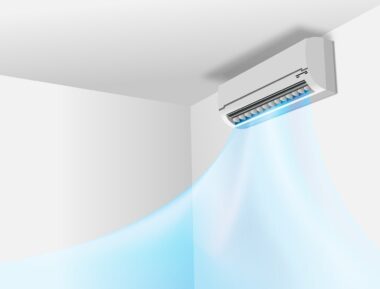
Maintaining indoor air quality is crucial for health and comfort, especially in today’s energy-conscious world. One effective method is to ensure proper ventilation without expending too much energy. Opening windows during cooler hours can naturally exchange stale air for fresh air, reducing the need for air conditioning. Another important aspect is to utilize energy-efficient air filters in your HVAC system, which must be changed regularly to ensure optimal performance. Indoor plants such as spider plants, peace lilies, and snake plants can naturally purify indoor air. These plants absorb toxins while releasing oxygen and require minimal maintenance, making them less energy-consuming. Additionally, keeping your home clean by regularly dusting and vacuuming can significantly impact the overall air quality. Dust and allergens tend to accumulate and can aggravate respiratory issues. Furthermore, using exhaust fans in kitchens and bathrooms helps remove moisture and pollutants without raising energy consumption. Lastly, avoid using harmful chemicals in cleaning products, as they can release volatile organic compounds (VOCs), which negatively affect indoor air quality. Opt for eco-friendly alternatives instead. Each of these tips can help you maintain better indoor air quality without excessive energy use.
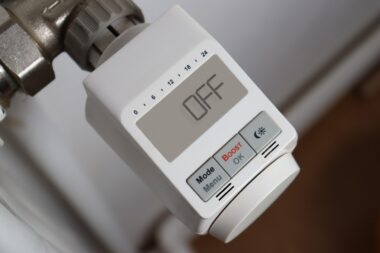
Incorporating air quality monitoring systems can be one of the most effective energy-efficient ways to ensure clean air in your home. These devices evaluate air quality and automatically regulate ventilation systems based on detected pollutants. Smart thermostats can work in tandem with these systems, allowing you to schedule ventilation during the coolest parts of the day, minimizing energy expenditure. Regular maintenance of your HVAC system by certified professionals can also improve efficiency and air quality. This includes inspecting ducts for leaks, which can waste energy and reduce air quality by circulating dust and allergens. Furthermore, sealing gaps and cracks in windows and doors can prevent unwanted air leakage, which may lead to increased heating and cooling costs. If your local climate permits, consider natural ventilation techniques such as cross-ventilation, which involves strategically opening windows on opposite sides of your home. This method allows cooler outside air circulation without energy-intensive systems. During hot days, blinds and curtains can keep interiors cooler, reducing the dependency on air conditioning. Additionally, utilizing energy-efficient appliances and lighting can contribute to overall energy conservation while improving air quality.
The Role of Humidity Control
Controlling humidity is equally important for enhancing indoor air quality while minimizing energy use. Excess humidity can create a breeding ground for mold, bacteria, and dust mites. Using dehumidifiers or considering a whole-home dehumidification system can help regulate moisture levels effectively. However, it’s crucial to choose energy-efficient models with good Energy Star ratings to ensure minimal energy consumption. If using a portable dehumidifier, it’s best to use it in damp areas like basements or bathrooms where moisture tends to accumulate. Additionally, running an exhaust fan during showers can effectively remove humidity from these spaces. Aim for indoor humidity levels between 30% and 50% to maintain both comfort and health. In colder climates, it’s essential to humidify indoor air to prevent dryness, which can lead to dry skin and respiratory issues. Consider integrating a humidifier into your HVAC system or using standalone units that are energy-efficient. Be mindful to monitor humidity levels regularly and adjust settings accordingly. A well-balanced humidity level not only improves air quality but also enhances indoor comfort and reduces energy costs, making it vital for energy-conscious homeowners.
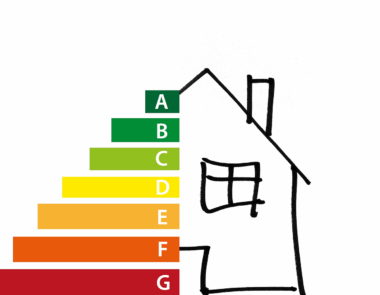
Integrating energy-efficient appliances into your home is essential for maintaining indoor air quality while minimizing energy use. These appliances consume less electricity, contributing to lower energy bills and reducing overall greenhouse gas emissions. When it comes to cleaning, an energy-efficient vacuum cleaner equipped with HEPA filters can trap allergens and particles, offering better air quality than standard models. Additionally, choosing kitchen appliances, such as energy-efficient ranges, microwaves, and dishwashers, can decrease indoor pollutants associated with cooking. It’s vital to also consider the materials of furnishings within your home. Opt for low-VOC or VOC-free paint, furniture, and flooring materials, as they significantly contribute to healthier indoor air quality. Moreover, utilizing the best energy-efficient HVAC systems will enhance airflow and filtration. Programs offering energy audits can identify areas for improvement within your home and recommend efficient solutions. Engaging with these resources enables you to align home upgrades closely with air quality enhancements. Lastly, being conscious of air purification technologies can further reduce dust, mold spores, and pollutants present indoors. A combination of these strategies will ensure improved indoor air quality and achieve energy efficiency goals effectively.
The Importance of Regular Maintenance
Regular maintenance is pivotal in ensuring that your home maintains optimal indoor air quality while being energy-efficient. This process begins with proactive measures such as cleaning air pathways, including grills and ducts, to prevent contamination. Professional services should be considered for comprehensive duct cleaning, which often involves specialized equipment. Regular inspections of heating and cooling systems help identify potential issues that could lead to inefficient energy use. Remember, filters in HVAC systems collect air contaminants, and if clogged, they can impede airflow and elevate energy consumption. Always replace these filters according to manufacturer recommendations. Another vital aspect of maintenance is to check and prevent moisture intrusion that may lead to mold growth. Inspecting roofs, basements, and plumbing for leaks ensures that water damage does not compromise indoor air quality. If you notice any mold, act quickly and rectify the issue, considering hiring professionals for mold remediation if necessary. Additionally, seasonal maintenance checks can optimize your system’s performance and ensure that air quality remains a priority. Regular upkeep guarantees your space remains not only healthy but also energy-efficient.
Utilizing natural ventilation is an energy-efficient method of improving indoor air quality. This approach relies on outside air to circulate within the home, minimizing the need for mechanical ventilation systems that consume more energy. Opening windows strategically to promote cross-ventilation can significantly enhance airflow during cooler hours. In the hotter months, consider utilizing ceiling fans, as they can effectively circulate indoor air without high energy usage. Ceiling fans also create a wind-chill effect, which allows you to set your thermostat a few degrees higher without sacrificing comfort. Moreover, using exhaust fans to remove stale air and pollutants after cooking or bathing significantly boosts air quality. Make sure to choose energy-efficient models for these fans as well. Too, consider placing air-purifying plants around your home to naturally filter pollutants. Plants such as the Boston fern, bamboo palm, or English ivy can absorb toxins, making the air healthier while adding aesthetic value to your space. Through employing natural methods like these, one can maintain clean air indoors without over-reliance on energy-consuming HVAC systems.
Integrating a holistic approach by combining various techniques can yield the best results in maintaining indoor air quality without high energy use. In addition to the previously mentioned tips, you can take further steps such as enforcing a no-shoes policy inside the home, which will significantly reduce the amount of dirt and allergens tracked inside. Regular pet grooming also helps reduce dander and allergens, contributing positively to air quality. Another innovative strategy is to install doormats at entrances to trap pollutants before they enter your home. Furthermore, following a regular cleaning schedule ensures that dust and allergens are managed actively. Rather than using harsh chemical products, consider using eco-friendly, non-toxic alternatives to clean surfaces which reduce indoor air pollution. Having a designated space for outdoor items can also help keep your indoor environment cleaner. Remember, focusing on airflow, cleanliness, and regular maintenance will ensure continuous improvement in indoor air quality while managing energy expenses effectively. With these collective efforts, creating a healthy environment at home is achievable without significantly raising energy consumption.
Conclusion: Prioritize Indoor Air Quality
In conclusion, it is essential to prioritize indoor air quality while being mindful of energy consumption. Implementing practical adjustments, such as ensuring proper ventilation and utilizing energy-efficient appliances, will create a healthier living space without sky-high energy bills. Regular maintenance practices keep HVAC systems running effectively while preventing air contamination. Natural ventilation, effective humidity control, and the use of air-purifying plants stand as beneficial strategies to enhance indoor air quality. By adopting these energy-efficient tips, you create an environment where health flourishes, and energy costs remain low. Investing time into these actionable strategies not only helps in maintaining quality air but also creates a more sustainable living environment. With persistence and dedication, achieving both clean air and energy efficiency is attainable by following simple yet effective guidelines, fostering a comfortable living environment and reducing negative environmental impacts. It is clear that maintaining indoor air quality doesn’t have to drain your wallet or energy resources significantly. Ultimately, a well-planned approach enables the maintenance of clean air, contributing positively to your well-being and our planet’s health.