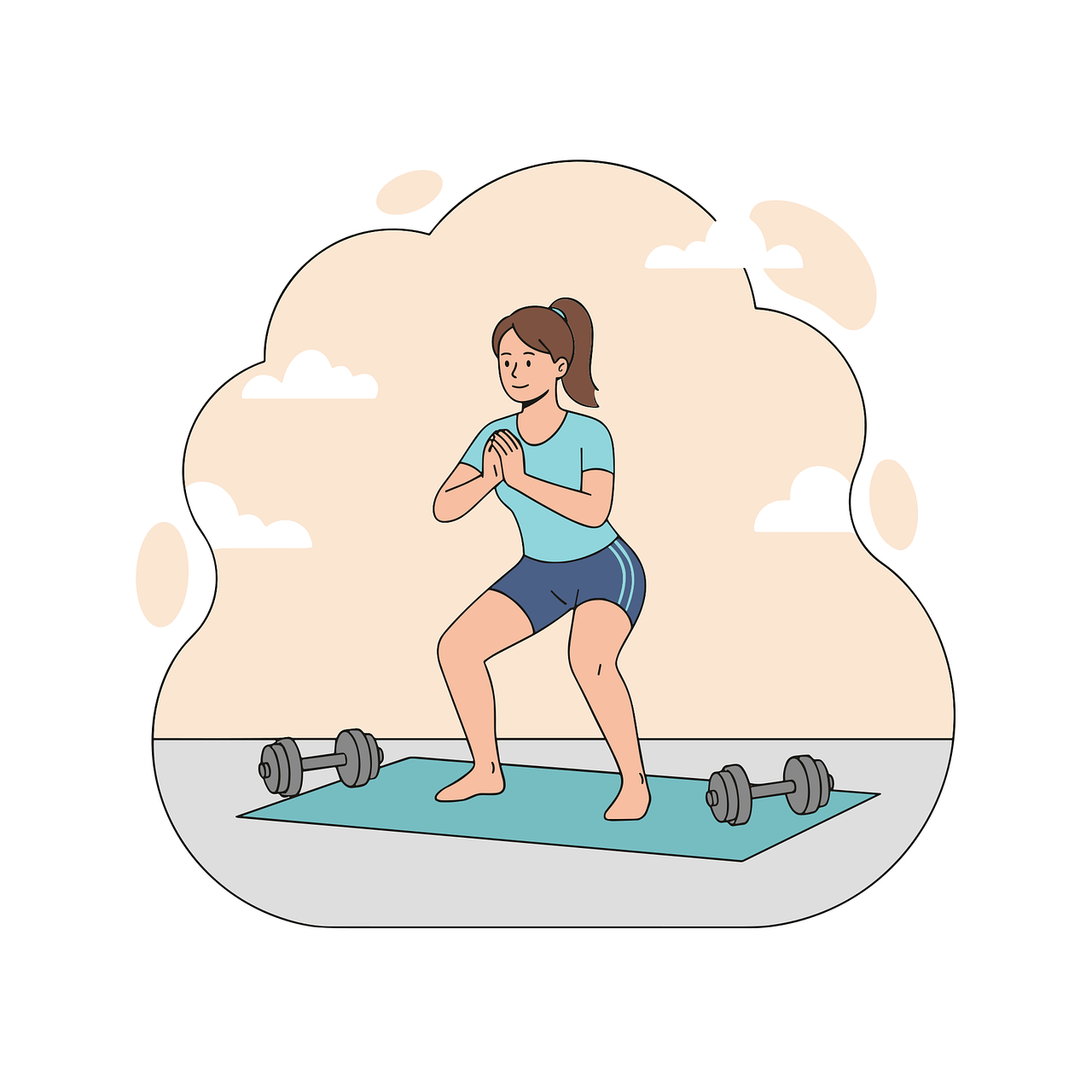

Creating a Balanced Detox and Exercise Weekly Schedule
To effectively integrate detox and exercise into your weekly routine, start by planning out your schedule meticulously. A balanced detox diet can significantly enhance your exercise efficiency. Therefore, design your week with specific times allocated for meal prepping, which involves preparing nutrient-rich ingredients. Incorporate various fruits, vegetables, lean proteins, and whole grains into your meal plans. Nutrition plays a pivotal role in how your body performs during workouts. Furthermore, hydrate properly; drinking ample water aids the detoxification process and improves overall health. Avoid processed foods and sugars to allow your body to reset itself. As you begin your week, factor in how much time you can dedicate to physical activity. Aim for a mix of aerobic activities and strength training. The combination of these ensures a well-rounded fitness regimen while aiding in physical detoxification. Pay close attention to your body’s signals during this integration; rest is essential for recovery and success within your plan. Monitor energy levels after meals to adjust portions and timings accordingly, allowing proper fuel for your workouts.
Another key element in creating your detox and exercise schedule is establishing your fitness goals. Identify what you want to achieve, such as weight loss, increased stamina, or muscle toning. These factors will inform your dietary choices and workout intensity. Engage in activities that you genuinely enjoy, making it easier to stay committed to your regimen. Consider joining classes or clubs in your community for motivation and support. Additionally, track your progress through journaling or fitness apps. Recording daily meals and workouts can help you find patterns, which can pinpoint areas needing improvement. As you progress, adjust your goals accordingly while keeping detox principles in mind. It’s crucial to allow rest days in your schedule, offering time for your body to recover and heal. Without adequate recovery, you may find burnout or injuries interrupting your routine. Incorporate gentle yoga or stretching to enhance flexibility while promoting relaxation. On these rest days, prioritize hydration and nutrition to help your body replenish after intense workouts. A consistent schedule often leads to long-term success and encourages healthy habits.
Incorporating Hydration into the Detox Process
Hydration plays a vital role in any detox and exercise routine, as it aids in flushing toxins from the body. Aim to drink at least eight glasses of water daily, but this may vary depending on individual needs and activity levels. Herbal teas or infused waters can also contribute positively to your hydration goals. Consider incorporating detoxifying drinks, such as lemon water or green smoothies, which provide essential nutrients while helping to cleanse. Always listen to your body’s hydration cues since proper intake helps sustain energy levels during workouts. You might choose to set reminders throughout the day to ensure you drink enough water. In your weekly schedule, designate specific times solely for hydrating to make it part of your routine. Try to consume hydrating foods like cucumbers, oranges, and watermelon as part of your meals. These can add not only hydration but also essential vitamins and minerals for your detox diet. Monitor how hydration impacts your energy and performance; adjusting intake as needed can prevent fatigue and optimize your workouts.
When integrating a detox diet with an exercise routine, meal timing is essential. Establish a pattern for when to eat relative to your workouts. Have a light snack rich in carbohydrates and protein approximately 30 to 60 minutes before exercising. This can provide necessary energy without leaving you feeling weighed down. Post-workout, refuel with a balanced meal within two hours to help with recovery and muscle repair. Focus on including lean proteins, healthy fats, and complex carbs in these meals. For instance, quinoa salads with grilled chicken or fish and lots of veggies are nutritious options. Note that during detox, listen closely to your body’s needs. Some individuals may require more calories, particularly if they are increasing their activity levels significantly. Assess portion sizes during each meal to ensure you are receiving sufficient energy. Consider various meal plans that are both detox-friendly and supportive of your fitness goals. Regularly update these plans based on your progress and preferences, ensuring that your detox journey remains engaging and balanced with your exercise schedule.
Setting Realistic Expectations
While embarking on a detox and exercise routine, it is pivotal to set realistic expectations to avoid frustration. Understand that significant changes take time; patience is critical in observing results. Establish smaller, achievable milestones throughout your detox journey. For example, aim to incorporate three workout sessions weekly or to cook at home consistently for healthy meals. Celebrate these milestones as they occur, reinforcing your commitment to the process. Be attentive to how your body responds; growth may come in various forms, including increased energy levels, improved mood, or enhanced digestion. Consult with a healthcare professional or nutritionist if unsure about dietary changes or exercise intensity. They can provide tailored advice to suit your needs. Remain flexible with your schedule, adapting the plan as the week progresses. Life can be unpredictable, requiring adjustments for unexpected events or energy fluctuations. Acknowledging these factors can help alleviate pressure when progress is gradual. Surround yourself with a supportive community or like-minded individuals seeking a similar change, enhancing accountability and motivation during tougher days.
Finally, consider assessing your mental well-being in conjunction with your detox and exercise schedule. Maintaining a positive mindset is just as crucial as your physical regimen. Incorporate mindfulness practices, such as meditation or journaling, to enhance mental clarity and focus. These practices can help mitigate stress related to any dietary changes or workout challenges a participant might face. Set aside a few minutes daily to reflect on your journey, expressing gratitude for the progress made, big or small. This can assist in maintaining motivation and clarity as you transition through your detox process. Introducing enjoyable activities, like outdoor walks or group classes, can foster a sense of joy to balance your cleansing journey. It’s essential to recognize that the journey towards health is not linear, and embracing challenges as opportunities for growth will lead to greater long-term success. Lastly, personalize your detox and exercise routine to what feels right for you; there are no one-size-fits-all solutions. Customizing your approach allows for more genuine commitment resulting in a fulfilling experience.
In conclusion, by crafting a balanced detox and exercise weekly schedule, you set yourself up for success in achieving a healthier lifestyle. The integration of nutritious meals, proper hydration, and regular physical activity creates a solid foundation for your well-being. Monitoring your progress and making adjustments as needed will ensure your journey remains on course. Establishing realistic expectations while practicing mindfulness contributes positively both mentally and physically. Throughout this process, continue to stay open to advice from professionals, as well as feedback from your own body. This combined approach helps navigate your detox journey effectively, enhancing overall satisfaction with your progress. As you embrace this new lifestyle, remember that commitment and patience are essential. Finding enjoyment in both exercise and diet can transform your experience into one that is sustainable and fulfilling. Furthermore, seek support from friends, family, or online communities. Sharing your journey with others can provide motivation and encouragement. Ultimately, your well-being is a holistic endeavor, encompassing mental, emotional, and physical health. Commit to your schedule and embrace the transformational possibilities awaiting you on your path to wellness.