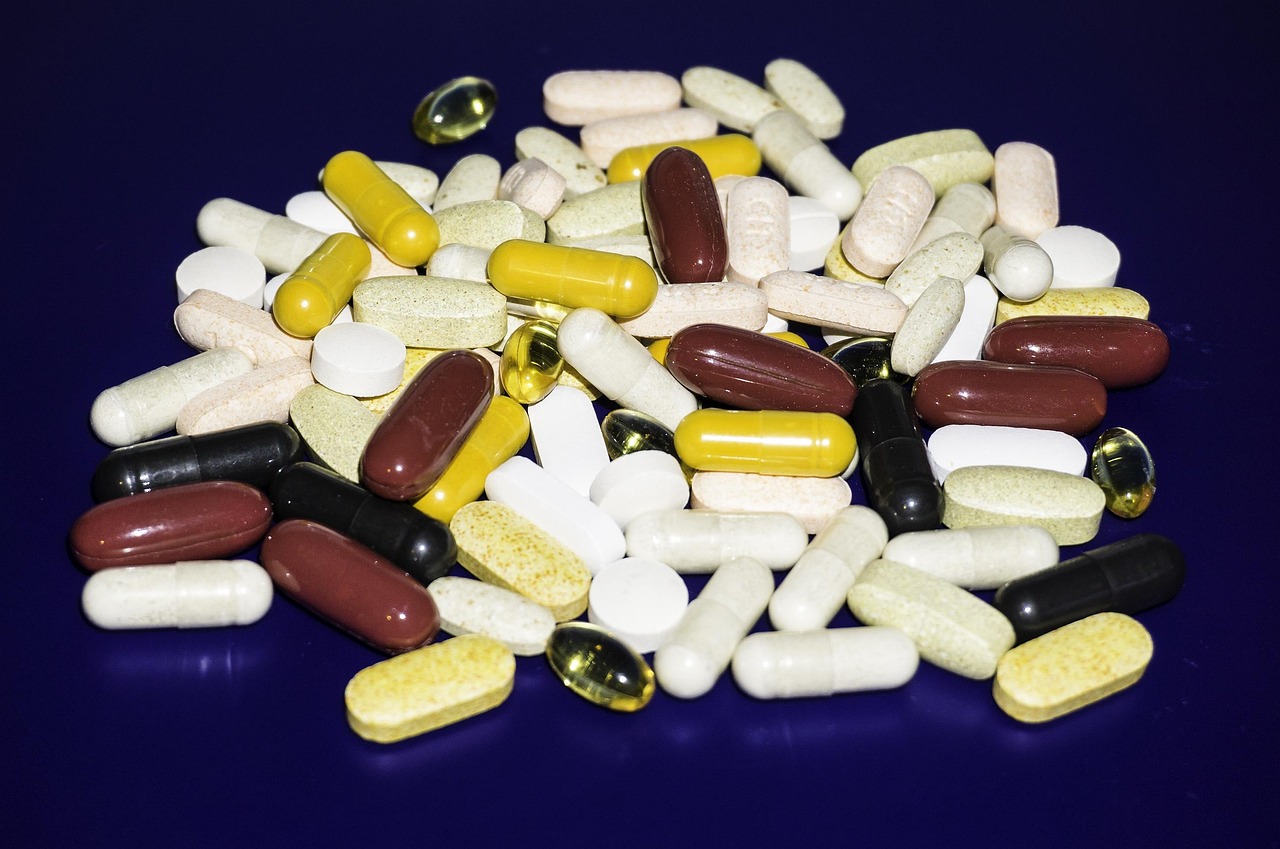

The Benefits of Multivitamins for Seniors: What You Need to Know
As we age, our bodies undergo various changes that can impact nutritional absorption. Seniors may find it increasingly difficult to obtain adequate nutrients solely from food. Multivitamins for seniors can bridge this gap by providing essential vitamins and minerals. These supplements often contain higher doses of crucial nutrients like vitamin D, B12, and calcium, supporting overall health. Many seniors experience digestive issues, making it challenging to get proper nutrition. Hence, using multivitamins helps maintain energy levels and support a healthy immune system. Many older individuals also struggle to maintain a balanced diet, often relying on processed foods. This reliance can lead to nutrient deficiencies. Adding a multivitamin can enhance the overall nutrient intake. Additionally, multivitamins can aid in boosting cognitive function, which often declines with age. The need for adequate nutrition in combating memory loss and confusion is paramount. Before starting any multivitamin regimen, it is essential to consult with a healthcare provider. Experts can help determine the right type of supplement based on individual health conditions. A tailored approach ensures the best outcomes when it comes to health and longevity.
Several factors contribute to seniors needing a reliable multivitamin. Nutrition needs vary significantly depending on lifestyle, gender, and existing health conditions. In particular, older adults often have reduced energy requirements, leading to fewer calories consumed. This also means less food equals fewer nutrients. Consequently, many seniors may find themselves lacking essential vitamins and minerals, increasing the risk of chronic illnesses. Furthermore, medications commonly prescribed to older adults can interfere with nutrient absorption. For instance, medications for heart conditions can reduce the body’s ability to absorb nutrients effectively. Therefore, a multivitamin can offer a safeguard against these deficiencies. When considering multivitamins, it’s essential to look for formulations specifically designed for seniors. Such products consider their unique nutritional needs. They often contain adjusted dosages tailored for this demographic, ensuring that seniors receive maximum benefits. Some multivitamins may include antioxidant formulas that help reduce inflammation, further benefiting overall health. In addition, incorporating multivitamins enhances physical well-being, helping seniors lead vibrant and fulfilling lives.
Understanding Specific Nutritional Needs
To optimize health, it is crucial to understand the unique nutritional needs of seniors. As age increases, the risk of deficiency in essential nutrients also rises. For example, vitamin D is vital for bone health. Seniors frequently have decreased exposure to sunlight, which is our primary source of this vital nutrient. Inadequate vitamin D levels can lead to osteoporosis and fractures. Many seniors also face challenges in consuming enough calcium, which plays a key role in maintaining bone density. Combined with vitamin D, calcium is essential in reducing fracture risk. Additionally, older adults often experience cognitive decline, making the need for B vitamins critical. Specifically, vitamin B12 supports brain health and helps in forming red blood cells. A deficiency may lead to anemia and neurological disorders. Moreover, fiber is another critical component for promoting digestive health, where multivitamins can assist if dietary fiber intake is insufficient. Regular consumption of a suitable multivitamin can help maintain better energy levels, enhancing quality of life for older individuals.
Moreover, when considering the potential benefits of multivitamins for seniors, it becomes increasingly important to emphasize the role of lifestyle factors. Regular physical activity combined with proper nutrient intake contributes significantly to overall health. Engaging in routine exercises such as walking, swimming, or yoga can vastly improve the absorption and efficacy of the nutrients found in multivitamins. Additionally, ensuring adequate hydration complements a healthy diet and aids in nutrient absorption. Social interactions play a critical role as well; seniors who maintain active relationships tend to have enhanced mental health and well-being. Together with multivitamins, a holistic approach combining physical, emotional, and nutritional health can create a supportive framework for longevity. Involving family members and caregivers in health discussions encourages adherence to a nutritional program. They can assist in meal planning, grocery shopping, and even encouraging participation in physical activities. Ultimately, fostering a multidimensional view of health seeks to enrich seniors’ lives by addressing various aspects of their well-being.
Risks of Excessive Supplementation
While multivitamins can significantly enhance well-being for seniors, excessive supplementation can pose risks. It’s crucial to understand that more isn’t necessarily better when it comes to vitamins and minerals. Some vitamins, particularly fat-soluble vitamins A, D, E, and K, can build up in the body and lead to toxicity. Signs of overdose can manifest in various ways, like nausea, liver damage, or other serious health issues. Additionally, some seniors may take multiple supplements, increasing the risk of adverse reactions and interactions. Consulting a healthcare professional can help identify the right dosage and formulation. Moreover, not all multivitamins are created equal. Selecting high-quality products from reputable manufacturers plays a significant role in ensuring safety. Some low-quality supplements may contain harmful fillers or imbalances of nutrients. Therefore, reading labels carefully and opting for verified brands is integral in any health regimen. Moreover, seniors should discuss with their doctors about all medications or supplements being consumed to avoid complications. This thorough approach ensures a safe and effective supplement experience, enhancing health positively.
Aside from potential risks, understanding the correct placement of multivitamins into a senior’s daily routine can enhance adherence. Many seniors respond well to routines and schedules, making it beneficial to incorporate multivitamins into existing habits. Placing supplements near breakfast items or medication can serve as a reminder to take them. Consistent timing fosters habit formation, reinforcing the importance of proper nutrient intake. Furthermore, engaging caregivers in these routines can ensure that seniors are taking their multivitamins as prescribed. Caregivers can monitor adherence, providing a sense of accountability. Additionally, discussing any side effects with a healthcare professional will ensure any adjustments are made accordingly. It’s also vital to evaluate any changes in health status as a reflection of supplement effectiveness. Regular check-ups and consultations should be scheduled to assess both dietary practices and supplementation practices. If deficiencies or health obstacles arise, modifications in the health regimen can enhance overall results, aligning with an individual’s changing needs.
Conclusion: A Holistic Approach to Health
Adopting a proactive approach to health becomes paramount for seniors seeking to improve their well-being through nutrition. Recognizing that multivitamins can play a significant role in supplementing a balanced diet transforms their health journey. When combined with healthy lifestyle choices, such as regular exercise and social engagement, multivitamins can lead to profound improvements in daily living. A holistic health perspective that emphasizes nutritional intake, emotional support, and physical activity establishes a framework for empowered aging. Older adults should feel encouraged to explore the benefits of multivitamins, working closely with healthcare providers to decide what suits their personal needs best. It’s essential to remember that individual health varies significantly. Customizing a nutritional plan with multivitamins should result from thorough discussions with qualified healthcare providers. With consistent monitoring, lifestyle adjustments, and tailored nutritional support, seniors can truly thrive in their golden years. By prioritizing health and understanding the multifaceted ways of maintaining it, seniors can enjoy a vibrant, healthy, and fulfilling life.
In summary, understanding the benefits of multivitamins for seniors is essential for enhancing their quality of life. As age encroaches, the physiological changes entail increased nutritional needs that are sometimes hard to meet through diet alone. Multivitamins can help fill those gaps while also supporting various bodily functions. These benefits are most impactful when coupled with positive lifestyle choices that seniors can integrate into their routines. Ultimately, awareness of the importance of nutritional backing reinforces the foundation for good health into the later years of life. Empowering seniors to prioritize their nutritional status plays a pivotal role in promoting longevity and improving life satisfaction. As they navigate existing health conditions and dietary limitations, multivitamins can serve as both a safety net and a proactive support mechanism. Regularly reviewing health practices with professionals can ensure optimal outcomes. Seniors must take strides toward a healthier life, mindful of the resources available. In today’s world, *knowledge is power* — empowering them to embrace the opportunities available for enhancing well-being and vitality is paramount.