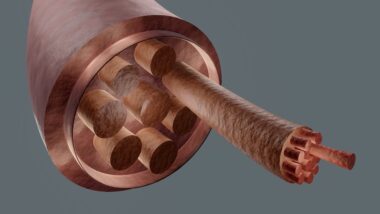

Personal Stories: Transformations Through Muscle Mass Assessment and Training
During the journey of body composition analysis, many individuals discover their true potential through muscle mass assessment. These assessments help identify muscle imbalances and areas needing improvement. By measuring skeletal muscle mass percentage and body fat levels, one can tailor a highly personalized training plan. With the help of professional trainers, individuals embark on transformative fitness journeys. These stories showcase the remarkable achievements that follow when dedication meets guidance. Engaging in progressive strength training programs can lead to increased muscle mass and overall health improvement. Furthermore, sharing experiences among peers creates a supportive environment for motivation. Many also find value in tracking progress, using bodies’ metrics as motivation to reach further milestones. Nutrition also plays a critical role in muscle gain, where macronutrient balance supports the necessary muscle repair and growth. Every transformation story is unique, emphasizing that every effort counts. Readers are encouraged to connect with others who have embraced muscle mass assessments as a method towards achieving fitness success. This communal experience fosters resilience and emotional fortitude.
The testimonials related to muscle mass assessment not only illustrate physical changes but also highlight mental transformations. Stress, anxiety, and self-esteem are heavily impacted by body image and fitness. Many individuals embark on their fitness journey needing to boost confidence and reclaim their self-images. Upon starting muscle mass assessments, participants often find motivation they didn’t know they had. The revelations during such assessments lead to more informed decisions about exercise and dietary habits. Furthermore, as individuals witness their bodies changing, they gain a more profound desire to continue progressing. Friends and family often notice the difference, prompting further encouragement. Each success builds upon previous ones, creating a habit-forming cycle of growth and consistency. Documenting these journeys showcases the power of accountability and self-recognition. Social media has also played a pivotal role in sharing transformations and inspiring others. For many, it acts as both a platform for sharing and a source of encouragement. The fitness community welcomes newcomers enthusiastically, sharing tips and advice freely. Building personal motivation alongside professional guidance maximizes the independent journeys of every individual striving for gains in muscle mass.
Understanding the Science Behind Assessment
Muscle mass assessment integrates a mix of technology and expertise to provide valuable insights into fitness. Devices such as bioelectrical impedance scale or dual-energy X-ray absorptiometry (DEXA) scan help produce accurate data on muscle composition. Moreover, personal assessments develop a well-rounded view that includes body composition, hydration status, and metabolic health. By understanding the scientific background, individuals can appreciate how muscle mass impacts their fitness journey. Assessments assist in differentiating between fat mass and lean mass, guiding focused training options. Knowledge of these metrics empowers individuals to make informed training decisions. It also ensures training is tailored for specific health objectives. Heightened awareness about muscle mass affects one’s awareness of food intake and overall health. Emphasizing high-quality protein sources, adequate hydration, and nutrient-dense foods becomes essential. By understanding individual fitness levels through assessment, participants commit to a program amplified by educated choices. As individuals expand their fitness knowledge, they experience notable improvements beyond physical muscles. Moreover, feeling empowered boosts their motivation, fostering a holistic approach to their well-being. Personal transformations are greatly facilitated by insight into muscle mass, encouraging an active lifestyle.
As awareness about body composition spreads, social influences contribute to an increase in muscle mass training initiatives. Class formats or community fitness groups focus on collective goals through muscle assessments. This aids in pushing personal limits while fostering camaraderie amongst participants. Such environments create thrilling experiences, empowering individuals to challenge adversities together. For instance, partners often find collaborative motivation helpful, pushing one another through specific routines. As friendships develop in these settings, participants become invested in each other’s progress. They share victories, celebrate milestones, and offer guidance when necessary. Events might also include educational workshops detailing muscle training techniques and the science behind them. Many discover new interests or activities, deepening their commitment to muscle mass improvement. Engaging in conversations about expectations and achievements helps both articulate feelings and cultivate relationships within the community. Group training sessions often show substantial improvements in motivation levels. The exchange of personal stories inspires accountability; evident transformations encourage consistent efforts from everyone involved. Such a communal approach amplifies the results of muscle mass training. Establishing norms for muscle building creates a culture that prioritizes fitness across communities.
Personal Growth Through Challenges
Transformative stories about muscle mass assessment highlight learning moments derived from challenges encountered. The path to building muscle mass is often non-linear, including setbacks and plateaus. It’s essential to recognize these hurdles as opportunities for growth rather than discouragement. Individuals recount experiences of remarkable resilience by adapting workout routines and nutritional plans when needed. Learning from failures is crucial; they ignite personal introspection, leading to more profound comprehension of self-capacity. Recognizing one’s limits catalyzes continuous improvement and prevents burnout. Fitness becomes a life journey that integrates these lifelong learning experiences. Participants hone their attention toward consistency over perfection, prioritizing general wellness and discovery. These encounters shape not only physical change but character as well, highlighting the importance of mental strength. As stories are shared about overcoming obstacles, they resonate widely, creating a network of solidarity and encouragement. Coaches emphasize that building muscle mass requires adaptation, patience, and goal setting. Reflecting on progress becomes vital. Keeping track of achievements fosters gratitude and familiarity with the journey taken. Learning to be patient during these transformative processes is key to muscle mass development.
In the fitness space, muscle mass assessment plays a transformative role in enhancing athletic performance. Individuals involved in sports report improved endurance and strength metrics when engaging in assessment-driven training. Moreover, understanding how muscle development correlates with overall physical capacity broadens their perspective. As athletes invest in their physical potential, they rediscover passion for their sports. Many determine that individualized attention through assessments ignites curiosity regarding new training methods. At this point, discovering personal preferences can lead to career achievements on fields or courts. By unearthing latent strengths, individuals set higher expectations of themselves, aiming to excel beyond their previous limits. Personalized training promotes not only strength but versatility, reflecting long-term benefits. Stories surfaced about elite athletes who utilized muscle assessment methods directly leading to competition success. The identification of weaknesses forged targeted improvement plans, leading to phenomenal outcomes in various aspects of performance. As athletes embrace this integral aspect of training, fitness becomes an ever-evolving process. Confidence dramatically rises as identification and rectification of muscle imbalances accelerate improvement. Such experiences motivate continual growth while inviting challenges, creating an environment that catapults athletes towards their aspirations.
Conclusion: The Power of Community and Growth
Ultimately, the journey through muscle mass assessments and training illustrates the profound impact on both personal and societal levels. Participants of all backgrounds and ambitions share experiences reflecting transformative journeys intertwined with muscle development. These narratives highlight that everyone can achieve their fitness goals through perseverance and informed decisions. It also reiterates the importance of seeking expert guidance and utilizing data-driven insights through assessments. Not only do personal triumphs emerge, but entire communities form around shared experiences. Overcoming challenges together fosters resilience—a cornerstone of human existence. Individuals are empowered to continue growing in balance, understanding the effect muscle mass plays in overall well-being. The transformations are not merely physical; they resonate throughout individual lives, communities, and households alike. Bonds forged within fitness spheres often inspire future generations to engage in healthful lifestyles. Ultimately, readers are reminded of the power of unity and support. They are encouraged to join this communal journey for achieving fitness excellence. Emphasizing camaraderie through shared experiences invariably strengthens one’s journey. It ultimately fosters a society more inclined toward prioritizing health and fitness, paving the way for more energetic and capable individuals.
Throughout this transformative process, the role of accountability cannot be stressed enough. Engaging in regular assessments offers a framework where individuals hold themselves accountable for their fitness objectives. The journey of continuous improvement depends heavily on self-monitoring, where breakthroughs become tangible. For many, sharing results encourages commitment to community goals. Creating an environment where everyone strives for improvements fosters shared understanding and motivation. Mutual accountability amongst peers often leads to healthier decisions outside the gym. Whether sharing meals, participating in workouts together, or exchanging personal insights, the synergy can be powerful. Personal stories create ripples through communities, where individuals uplift each other by sharing resources and support. Guidance from fitness professionals coupled with peer motivation maximizes the potential for muscle building. The unique aspect of community-driven growth underlines the necessity of linking individual progress to collective advancement. By fostering environments of encouragement, everyone benefits from greater motivation levels. Transformational stories showcase how united efforts lead to impressive muscle mass gains. Readers are invited to explore shared experiences while focusing on forging personal connections. Ultimately, it demonstrates resilience, perseverance, and growth when individuals work towards a common goal.