
Swimming Exercises for Improving Flexibility
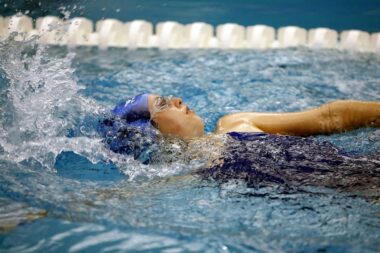
Swimming is a fantastic activity for enhancing overall flexibility, strength, and endurance. Engaging in various swimming exercises helps stretch the muscles, which contributes to improved flexibility. To get started, consider the freestyle stroke, which emphasizes full arm and leg extension. This stroke requires both endurance and technique, making it perfect for flexibility training. When swimming freestyle, aim to reach your arm forward, stretching your body as you glide through the water. This action not only enhances your swimming efficiency but also promotes better flexibility through regular practice. Additionally, working on proper breathing techniques can help in enhancing your body’s overall agility. By focusing on fluid movements and controlled breathing, you can further develop your flexibility during swimming sessions. Incorporating flexibility-focused swimming drills into your routine can yield significant improvements over time. Make sure to include different strokes like backstroke, breaststroke, or butterfly, as each uniquely contributes to muscle elongation and flexibility. Before beginning any swimming routine, don’t forget to warm up to prevent injuries. Dynamic stretches outside the pool can complement your aquatic workout to enhance flexibility.
Breaststroke is another effective technique to enhance flexibility in upper body and hips. By pushing through the water with both arms simultaneously at shoulder height and performing a frog kick simultaneously, swimmers engage their core and leg muscles. The arm approach in breaststroke facilitates a deep stretch of the chest and shoulders, which are essential for flexibility. Focus on extending your arms as far forward as possible during each stroke. Pair this with a strong pull, which will naturally improve your range of motion in the shoulders and promote greater flexibility. In addition, integrating ankle flexibility exercises within your pool routine leads to better overall swimming form. While swimming breaststroke, make sure to rotate your hips and breaststroke, which enhances hip flexibility and opens up the lower back. After a few breaststroke laps, consider doing some in-water dynamic stretches, like leg swings from the side or high knees. These enhance flexibility while still keeping the heart rate elevated. Finally, remember that consistency is vital; making breaststroke a regular part of your swimming regime will yield lasting process improvement over time.
Dolphin Kicks for Core Flexibility
Dolphin kicks serve as an invaluable exercise to build core strength and improve flexibility. This technique is used primarily in the butterfly stroke, where a powerful undulating movement is essential. Concentrating on developing your flexibility through dolphin kicks means engaging your core, hips, and shoulders effectively. Begin by practicing short, controlled dolphin kicks while holding onto the poolside to stabilize your body. Gradually increase your kick length as you gain flexibility and core strength. During your practice, focus on ensuring your hips rise towards the surface of the water. This action encourages a natural extension of your lower back while engaging your abdominal muscles. To complement this, performing breathing exercises while executing dolphin kicks can augment your flexibility even further. Focus on inhaling through your mouth and exhaling through your nose, coordinating your breathing rhythm with your kicking motion. Consistent dolphin kicking, along with traditional swimming workouts, can greatly enhance your swimming technique and support the flexibility needed for competitive swimming events. Keep track of your progress to maintain motivation and highlight improvements.
Utilizing Stretching Techniques
Incorporating dry-land stretching into your swimming training emphasizes flexibility improvements. Implement a focused stretching regime before and after swimming sessions. Emphasizing dynamic stretches, like arm circles, torso twists, and lunges, prepares your muscles for increased flexibility during swimming. These exercises prime your body for pool work and effectively target the muscle groups you’ll rely upon in water. Static stretching, on the other hand, is best performed after swimming. This allows your muscles to cool while maintaining increased length, essential for building flexibility. Consider gently stretching your shoulders, hamstrings, and quadriceps, holding each stretch for at least 15-30 seconds. Yoga can be an excellent complement to your swimming training. Practicing yoga postures, such as downward dog and pigeon pose, improves overall flexibility and helps recover from swimming sessions. Furthermore, yoga emphasizes controlled breathing, which aligns well with swimming techniques. Integrating these practices into your routine not only supports performance enhancements but also reduces injury risks. Remember, maintaining flexibility is a gradual process, and patience is key. Be consistent in your approach to achieve the best results.
To further enhance your swimming flexibility, consider incorporating aqua aerobics into your regime. Aqua aerobics are an engaging way to build strength and flexibility while minimizing impact stress on your joints. Utilizing the resistance of water serves to promote muscle elongation and flexibility through various moves, like arm extensions and leg lifts. Engaging in structured water-based classes or workouts can provide motivation and guidance. These workouts typically emphasize a range of movements that require stretching and flexing of different muscle groups. By participating in such classes, you can effectively improve both your swimming style and flexibility simultaneously. If you prefer a self-guided approach, design your aqua aerobics session around key exercises. As you incorporate these movements, remain attentive to your form and breathing to maximize your flexibility gains. Additionally, using resistance equipment like water dumbbells or bands can optimize your workout. This added resistance allows you to experience greater muscle engagement while performing water exercises. It’s never too late to start practicing aqua aerobics; it can lead to remarkable improvements in flexibility and swimming performance.
Using Pool Tools for Flexibility
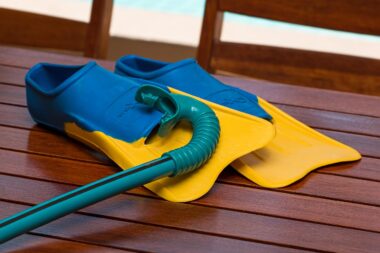
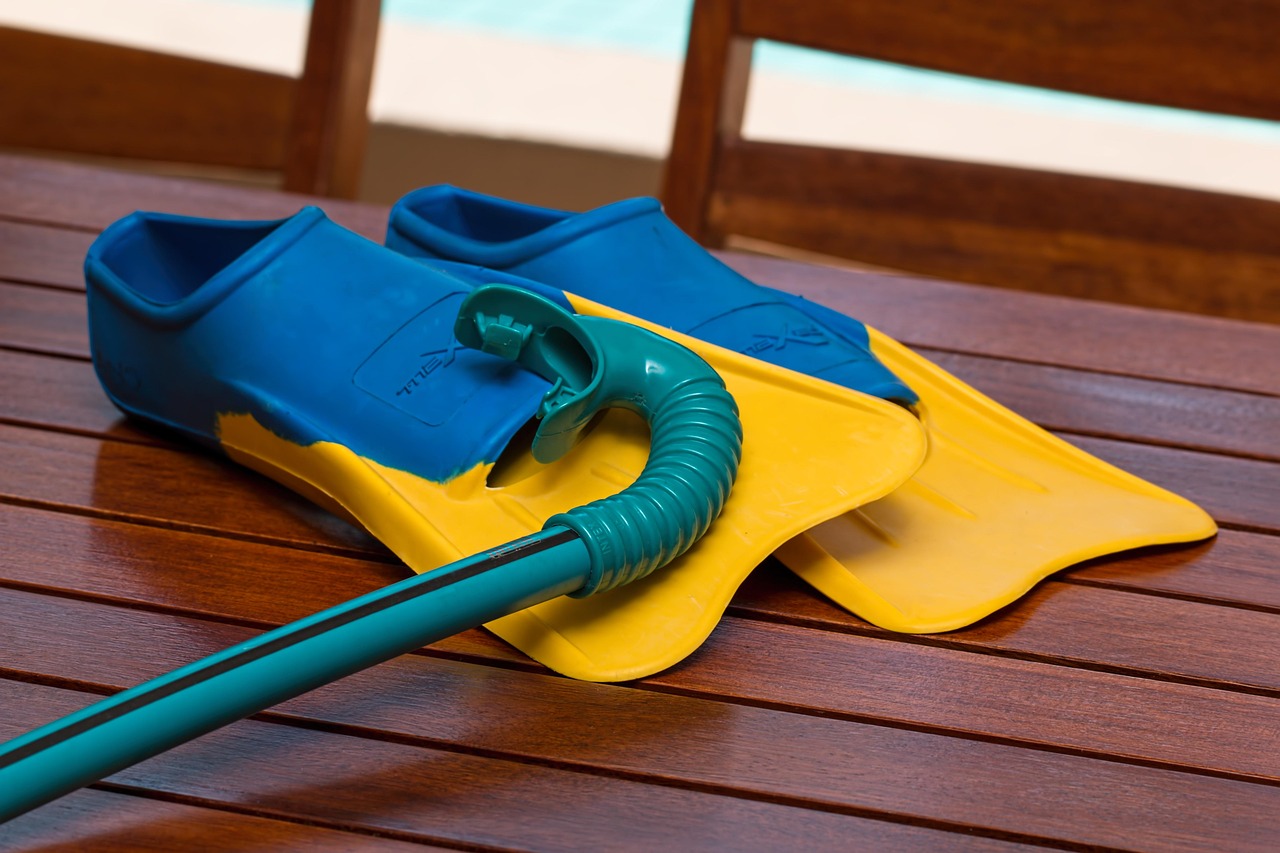
Utilizing pool tools can boost your swimming flexibility and technique remarkably. Tools like kickboards, pull buoys, and fins provide resistance in different ways, helping swimmers enhance their floating positions and stretches. A kickboard allows you to focus on your legs and core while maintaining your upper body elevated, promoting a full-body stretch. As you kick with a board, remember to reach back with your toes, stretching your calf muscles as well. Pull buoys, on the other hand, can be inserted between your legs, allowing your arms to perform freestyle or backstroke drills without leg movement. Focus on elongating each stroke to foster shoulder flexibility. Additionally, pool fins can help enhance flexibility while also improving the strength and agility of ankles. When using fins, focus on a gentle kick with an emphasis on not forcing your legs together too tightly. Instead, develop an extended range of motion through your ankles. Overall, incorporating these tools can enrich your experience and add variety to your swimming routine. They can make the process of increasing flexibility enjoyable and effective.
In conclusion, prioritizing flexibility in your swimming training can significantly improve your overall swimming performance. Whether you’re a beginner or a seasoned swimmer, incorporating targeted swimming exercises and techniques fosters flexibility development. Always begin with a warm-up routine that incorporates both dynamic and static stretching into your swimming practice. Strive to include a blend of different swimming strokes and additional exercises like aqua aerobics for variety. Monitoring consistency and progress is crucial; keeping records of your workouts allows you to evaluate changes in flexibility over time. Remember, flexibility gains take time and dedication. Don’t hesitate to listen to your body and adapt your training to suit your individual needs. Ensure you give your muscles adequate time to recover, especially after intense sessions. Nutrition and hydration also play essential roles in maintaining flexibility and overall performance. Including balanced meals rich in supportive vitamins and minerals can further facilitate your flexibility journey. By integrating these principles into your swimming routine, you’re setting up the foundation for improved performance, agility, and ease in the water. So gear up, dive in, and enjoy your swimming flexibility journey!
Additional Tips to Enhance Flexibility
In addition to proper techniques, maintaining a positive mindset can greatly enhance your flexibility journey. Acknowledging your progress, no matter how small, builds motivation and encourages consistency. It is also essential to seek feedback from professional swimming coaches or instructors. Their expertise can provide personalized insights that tailor your flexibility workouts to best suit your individual needs. This feedback can direct your focus to specific areas requiring improvement, whether it’s a particular stroke or muscle group. Evaluating your performance through video analysis can also be quite beneficial. By reviewing your technique, you can pinpoint areas for adjustment and identify key opportunities to enhance flexibility. Moreover, consider partnering up for swimming sessions with friends or fellow swimmers. Practicing alongside others can yield mutual motivation and social encouragement. Embrace a balanced approach by combining swimming with complementary exercises, like Pilates, to further foster your flexibility. Lastly, always remember to enjoy your swimming journey! A positive attitude towards your routine and perceived challenges can transform your experience and lead to long-term improvements in flexibility.