
Cycling Strategies to Improve Your Ironman Time
Improving your Ironman time is crucial for a successful triathlon experience. Cycling, being a significant component of the race, demands specific strategies to enhance performance. First, train consistently to build endurance over time. Your weekly training plan should include distance rides that gradually increase weekly mileage. Incorporate intensity workouts, like interval training, to develop speed and strength. Furthermore, break your training into distinct phases, focusing first on endurance, then strength, and finally race-specific workouts. This structured approach maximizes your performance for Ironman distances. Don’t forget recovery, as neglecting it can lead to burnout and injury. Instead, prioritize rest after intense training days. Nutrition also plays a vast role during your rides. Practice fueling strategies during training, optimizing your intake of carbohydrates and electrolytes to avoid fatigue on race day. Stay hydrated, particularly during long rides, to maintain energy levels. Lastly, consider simulating race-day conditions in your training, including equipment and nutrition, to familiarize yourself with the upcoming challenges. Cycling efficiently can elevate your overall Ironman performance, helping you cross the finish line faster than before.
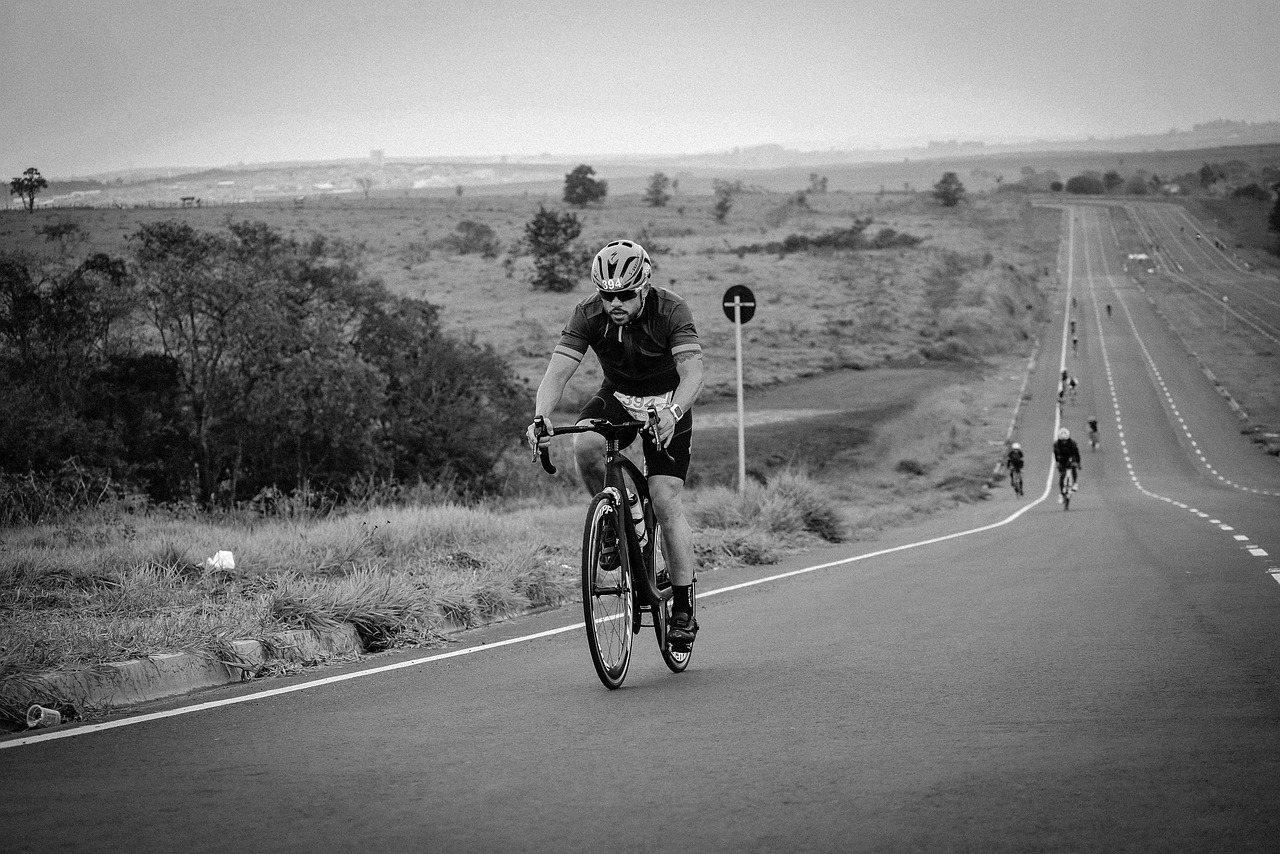
Cycling efficiency is key in triathlon competitions, especially during an Ironman. Proper bike fit is crucial for maximizing your power output and minimizing fatigue. Adjust your position to ensure comfort while maintaining aerodynamics. Tweaking your saddle height can make a significant difference in your pedaling efficiency. Investing in a professional bike fit is sensible to address individual biomechanics. Additionally, understanding gear selection plays a central role in managing power. Learn when to shift gears based on terrain changes. For climbs, use lower gears to maintain a steady cadence, while higher gears can be advantageous on descents. Developing a smooth pedal stroke is essential; practice pushing down and pulling up effectively on the pedals. This can be accomplished through drills during training. Consider using a power meter to measure improvements over time. Monitoring your training power zones can help in understanding the effort required during rides. Apply these insights while racing to gauge your energy usage accurately. Crafting a specialized training plan focusing on strength and endurance can increase your cycling performance significantly, ultimately improving your overall Ironman time.
Nutrition and Hydration Strategies for Cycling
Nutritional strategies are incredibly important when training for an Ironman. On the bike, consuming adequate amounts of carbohydrates is essential for sustaining energy levels. Aim to take in around 30-60 grams of carbohydrates per hour during your long rides. This will both replenish energy stores and keep you moving efficiently. Experiment with energy bars, gels, or liquids to find the best option for your stomach. Hydration is equally critical; dehydration can drastically reduce performance. Carry sufficient fluids or make a plan to refill as needed during training sessions. Electrolytes can help prevent cramping and maintain hydration levels. Practice your hydration strategy during long bike rides to gauge what works best for you. Balance your intake between fluids and solid nutrition options, especially for longer durations. Pay attention to your body’s signals to avoid negative effects on your performance. Frequent, small sips of water or sports drinks can be more effective than consuming large amounts all at once. As you improve your nutrition strategies, your overall cycling performance will enhance your potential at Ironman events, enabling you to achieve your target times.
Incorporating strength training into your cycling regimen is equally important for Ironman preparation. Stronger muscles contribute to improved power and efficiency on the bike. Design a strength training program that focuses on major muscle groups used during cycling. Include exercises such as squats, lunges, and deadlifts to target your legs and core. It’s essential to perform these routines with appropriate form, ensuring you maximize benefits while preventing injury. Aim for at least two strength sessions per week, alternating between cycling-focused exercises and overall body conditioning. Moreover, consider including core stability workouts as these maintain posture and protect against fatigue during long rides. Improving core strength supports better overall cycling efficiency. Utilize resistance bands and weights to progressively challenge your muscles. Moreover, integrating plyometrics can enhance explosive power, vital for hill climbs or sprints. Schedule strength workouts post-cycling sessions to prevent fatigue from hampering your performance. Ensure you allow sufficient recovery time between workouts, which aids muscle recovery and fosters growth. Strength training can elevate your cycling abilities, translating into improved overall Ironman times and allowing you to achieve personalized goals.
Techniques to Enhance Cycling Speed
To achieve faster cycling speeds, practice specific techniques designed to improve your performance. Working on your aerodynamics is crucial; adopting a more aerodynamic position reduces wind resistance. Use aero handlebars or an aero bike position, keeping your body low and aligned. Additionally, conduct regular speed drills focusing on high-intensity intervals, alternating periods of short spans where you push hard followed by recovery phases. Incorporate these speed intervals into your weekly mileage to increase your overall power output. Another effective method is learning proper pacing; maintaining a consistent effort throughout the ride will help sustain speed. Avoid starting off too fast, as this can lead to fatigue later in the race. Measure and analyze your progress using GPS or cycling apps. Tracking your performance metrics helps identify strengths and areas for improvement. Work on your mental strategies during training, practicing visualization of a successful race. Mental readiness enhances your racing performance. Lastly, develop a good understanding of descents; practice cornering techniques to maintain efficiency will improve your cycling times significantly during competitive events, thus maximizing your physical training.
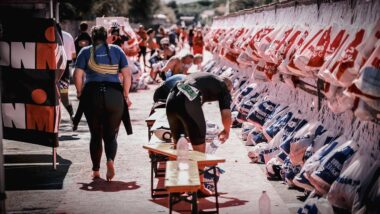
Training for an Ironman also means managing the transition between disciplines effectively. This often-overlooked aspect can shave minutes off your overall time. Ensure that you practice your T1 and T2 transitions during long training sessions. Familiarize yourself with the entire process, including dismounting, changing gear, and getting on the run efficiently. Rehearse your transition setup to minimize confusion on race day. Keep your gear organized and strategically placed for quick access. Consider the importance of using quick-drying clothing to reduce unnecessary weight and help you feel fresh for the run. Focus on maintaining a clear mindset, as a chaotic transition can affect your performance. Additionally, practicing your bike-to-run transitions can help your muscles adapt and prepare for the shift from cycling to running. This often challenges athletes due to fatigue and soreness, so mental preparation plays a significant role. As you refine your transition training alongside cycling techniques, you’ll notice a profound impact on your overall Ironman results. Efficient transitions can significantly contribute to finishing times, ensuring you leave the competition behind.
Final Thoughts on Cycling for an Ironman
As you prepare for your Ironman, remember that cycling is a fundamental aspect of your training. Therefore, developing effective cycling strategies is essential for achieving optimal performance. Focus on building endurance and strength through consistent training and specialized workouts. Incorporate nutrition and hydration strategies into your long rides and gain familiarity with race-day conditions during training. Utilize technology to analyze your cycling performance, ensuring you tailor your training plans effectively. Furthermore, don’t underestimate the impact of mental preparation; instilling confidence and a positive mindset can significantly enhance your performance. Continuously work on transitioning efficiently between cycling and running to maximize speed. Reflect on your progress regularly and make adjustments to your training regimen as needed. Embrace the challenge of Ironman and approach each race with determination and focus. By integrating these cycling strategies into your training plan, you can genuinely improve your Ironman times and find greater enjoyment in the sport. Always remember to listen to your body and remain flexible in your approach, which will help you evolve as an athlete and conquer your goals.
With the right focus on these cycling strategies, your Ironman training can derive maximum benefit. By understanding the value of endurance, strength, nutrition, technique, and transitions, you’ll improve your overall performance significantly. Don’t hesitate to seek support or join training groups for accountability and motivation. Reaching out to experienced athletes or coaches can also provide invaluable insights tailored to your needs. As you embark on this journey, set clear, actionable goals and embrace the lessons learned along the way. Remember that improvement takes time, patience, and persistent effort. Celebrate small victories, as they accumulate to yield larger successes in your Ironman journey. Above all, stay passionate about cycling, as this enthusiasm fuels progress and enhances training enjoyment. Most importantly, take time to enjoy the process and connect with fellow triathletes. Enjoy the rides, the challenges, and the friendships formed throughout preparation. In doing so, you’ll find fulfillment beyond just achieving race results for an Ironman. Ultimately, your journey is a celebration of hard work, determination, and personal growth in triathlon and beyond.