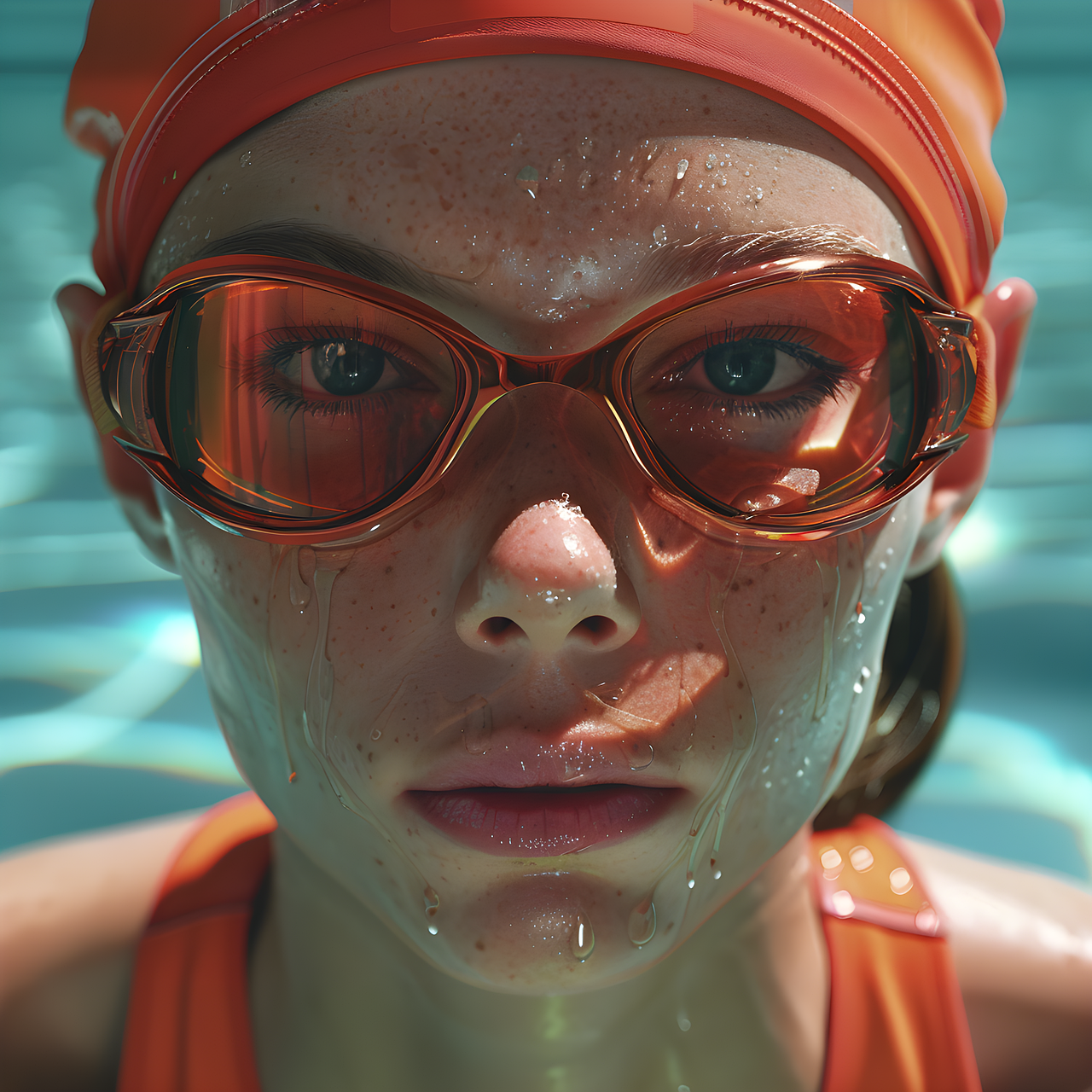

The History of Competitive Swimming Events
Competitive swimming has a rich history that traces back to ancient times, with references to swimming competitions existing in various cultures. The origin of swimming as a competitive sport dates back to the early 19th century when organized races began to take form in Europe and North America. Around 1844, Native American swimmers introduced a new style called the “Trudgeon,” which became popular among spectators. It was not until the establishment of the National Swimming Society in England in 1837 that more formal competitions started, setting the foundation for modern swimming events. The first international swimming competition took place in Australia in 1846, marking a significant milestone in competitive swimming history. The event showcased skilled swimmers from various backgrounds, establishing a precedent for future competitions. The inclusion of swimming events in the modern Olympic Games in 1896 further popularized the sport, leading to the formation of multiple local, national, and international swimming competitions. Today, swimming competitions range from local meets to prestigious global events, captivating audiences worldwide with thrilling races and diverse swimming styles.
Early Competitive Events and Developments
The early days of competitive swimming were characterized by informal races held by enthusiasts at natural water bodies. However, with the introduction of more organized events, swimming as a sport gained traction and began to evolve. By the late 19th century, competitions were held in indoor pools, which allowed events to take place year-round, regardless of weather conditions. This change significantly influenced the development of swimming techniques and improved overall performance. As swimwear regulations and standards were established, athletes began to gain recognition for their prowess. The first major swimming federation, the Amateur Swimming Association, was founded in the UK in 1880, uniting swimmers across the nation and regulating competitions. The ASA created rules and guidelines that enhanced the structure of swimming events. The establishment of swimming clubs around this time encouraged the growth of competitive swimming, leading to increased participation and skill development. Additionally, technological advancements in swimming equipment and training methods played a critical role in shaping the future landscape of competitive swimming events, optimizing athletes’ performances.
World War I had a significant impact on competitive swimming, causing a temporary setback in the sport as many athletes were enlisted for military service and competitions were canceled or postponed. However, the sport experienced a resurgence in the post-war era, leading to the establishment of more structured and prestigious events. The 1920s marked the rise of international swimming competitions, with the inaugural European Championships taking place in 1889. The emphasis on performance and technique led to the introduction of various swimming strokes such as freestyle, backstroke, breaststroke, and butterfly. The freestyle event became particularly popular, and records were broken frequently during this time. The 1930s saw the advent of the relay events, which introduced a new level of excitement and strategy to competitive swimming, captivating fans with team collaboration and individual talent. As the sport grew through the years, swimming clubs started offering training programs that focused on technique, endurance, and speed, which propelled swimmers into national and international competitions. Ultimately, these advancements helped shape the future of swimming competitions into what we see today.
The Role of Technology in Swimming Competitions
The role of technology in competitive swimming has evolved dramatically, influencing everything from training methods to event management. The introduction of electronic timing systems in the late 20th century marked a breakthrough that enhanced the accuracy of race results. Before this, manual timekeeping methods often resulted in inconsistencies and widespread dissatisfaction among competitors. Now, split-second timing records are the norm. Additionally, the development of high-tech swimwear has sparked debates about fairness and performance enhancement, leading to regulations about the types of suits athletes can wear during competitions. Moreover, advanced training techniques, including video analysis and biomechanical assessments, have allowed coaches and swimmers to refine their skills and improve their performances. These tools help athletes identify areas of weakness in their technique and tailor their training regimens effectively to address them. The role of social media and live broadcasting has also transformed competitive swimming, allowing fans to engage with the sport and connect with their favorite athletes in real-time. These advancements contribute to the evolution of competitive swimming events and their increased popularity worldwide.
The participation and representation of women in competitive swimming have seen remarkable progress over the decades. Initially sidelined, female swimmers fought for inclusion in events, and their accomplishments paved the way for future generations. Long before women were allowed to compete in the Olympics in 1912, women engaged in their own competitions, breaking barriers and challenging societal norms. With time, more events were added for female athletes, leading to greater visibility and recognition of their talents. The establishment of the Women’s National Championships and subsequent international competitions furthered women’s rights in sports, emphasizing equality in competitive swimming. As athletic performances flourished, it became clear that female swimmers were just as capable as their male counterparts, ultimately reshaping perceptions of women in sports. Title IX legislation in the United States during the 1970s also significantly impacted women’s participation in swimming and other sports, providing opportunities for female athletes across various levels of competition. Today, competitive swimming celebrates the achievements of countless female athletes who inspire future generations to pursue their dreams, breaking down barriers in the sport.
Major International Swimming Competitions
Major international swimming competitions have become the pinnacle of competitive swimming, showcasing the world’s best talents while promoting unity through sport. The Olympic Games, held every four years, are the most prestigious, attracting millions of viewers worldwide as swimmers vie for gold medals. This event features various swimming events, allowing athletes to represent their countries and showcase their skills. Other important competitions include the World Aquatics Championships and the Pan Pacific Swimming Championships, both of which feature elite athletes competing in multiple swimming disciplines, further contributing to the rich tradition of swimming in the global sports landscape. Additionally, continental championships, such as the European Championships and the African Championships, aid in identifying and nurturing rising talents from different regions of the globe. These competitions not only serve to enhance athletic performances but also foster camaraderie among nations. National and regional meets play a crucial role in providing a platform for aspiring swimmers to compete, establish themselves, and gain invaluable experience. As competitive swimming continues to evolve, these major international events remain vital to the sport, celebrating achievements and inspiring future generations.
The evolution of competitive swimming has fostered a unique culture and community around the sport, characterized by passion and dedication. Swimmers commit countless hours to rigorous training, balancing their athletic pursuits and educational or professional careers. Coaches inspire athletes to achieve their full potential, imparting knowledge and strategies that transcend the pool. This relationship plays a crucial role in an athlete’s journey, driving them to meet their goals while building essential life skills like discipline and teamwork. Swimming clubs have become hubs of social connection, where athletes of all ages form friendships and share their passion for the sport. Through various competitions, swimmers develop a sense of camaraderie, supporting each other through challenges and celebrating victories together. The competitive swimming community actively advocates for inclusivity and diversity, organizing events for swimmers of all abilities and backgrounds. Swimming’s grassroots efforts aim to remove barriers, allowing everyone to experience the joys and benefits of the sport. This collective effort not only strengthens the swimming community but also enriches the overall culture surrounding competitive swimming, creating lasting legacies for generations to come.