
Using Wearable Technology to Accurately Monitor Your Progress
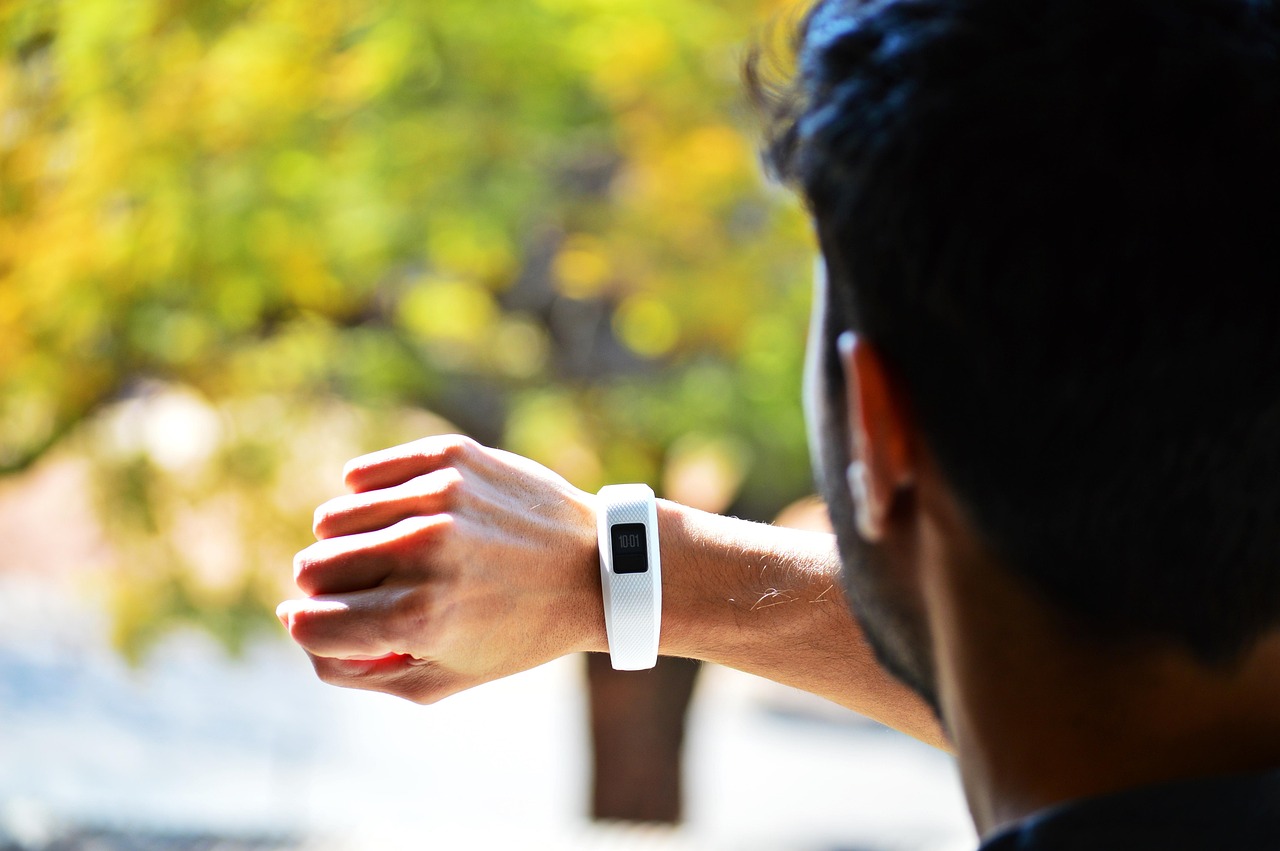
Wearable technology has become immensely popular, providing individuals with tools that aid in health and fitness tracking. These devices, ranging from smartwatches to fitness bands, allow users to monitor various metrics. Accurate progress tracking is crucial for those embarking on fitness journeys. With the ability to measure heart rate, steps taken, and calories burned, wearables make it easier than ever to stay informed. This information can motivate individuals to push their limits. Setting realistic expectations is essential when using wearables as monitoring tools. Many users may expect rapid results; however, weight loss and muscle gain take time. Successful users often focus on gradual, sustainable growth. Wearables assist by setting daily goals. Many devices recommend step counts or workout durations tailored to your needs. This personalization increases the chances of meeting goals. Additionally, trends can be monitored over time, showcasing improvements or needed adjustments. Regular updates motivate users to remain vigilant. Moreover, sharing progress with a community fosters accountability. A vibrant support system can significantly enhance motivation. Exploring various wearables helps users find the most suitable tool for their needs, leading to successful health monitoring.
Wearable technology also offers diverse functionalities that add tremendous value to health tracking. Wearables often link to complementary apps, providing users with comprehensive insights into their fitness activities. These apps synchronize seamlessly with wearable devices to analyze data effectively. Users can identify patterns in their daily activities, enabling better decision-making. Notifications from wearables keep users engaged, reminding them to move or hydrate regularly. These gentle nudges encourage individuals to incorporate healthy habits into their routines. For those who enjoy competing, many wearables support social features, allowing users to challenge friends and track progress together. Engaging in friendly competitions elevates the experience, making workouts feel more enjoyable. Sleep tracking features provide users insights into their sleep quality, an essential aspect of overall health. This monitoring helps individuals understand their rest periods, aiding in adequate recovery and performance enhancement. By incorporating insights from sleep data into their routines, users can boost their overall productivity and energy levels. Moreover, wearables also facilitate heart rate monitoring during workouts. This functionality helps users train efficiently, maximizing their workout potential. Understanding heart rate zones ensures individuals are exercising at the correct intensity to achieve their fitness goals effectively.
When using wearable technology, it’s essential to integrate the data into your daily actions consistently. Simply having a device on your wrist is not enough; engagement is key. Regularly reviewing statistics is vital for effective progress tracking. Most individuals need reminders to check their metrics and adjust accordingly. By maintaining a schedule to reflect on the data collected, users can identify trends and setbacks. This awareness facilitates informed decisions about dietary changes or workout routine adjustments. Setting benchmarks helps to evaluate progress accurately. By logging past performance and comparing it against current metrics, users can witness tangible improvements. This method enhances motivation significantly. Furthermore, wearables promote accountability. Many people benefit by sharing their fitness findings with friends and family. Documenting progress publicly may prompt users to stay on track. Social connections nurture a sense of community that can challenge individuals to perform better. Additionally, utilizing goal-setting features on wearable devices helps streamline progress. Users can set precise, attainable objectives. Whether aiming for a specific number of steps taken daily or a target weight, clear goals create paths to success.
Choosing the Right Wearable Device
Selecting the most suitable wearable device significantly impacts its effectiveness in tracking and monitoring progress. The options available can be overwhelming, ranging from basic fitness trackers to advanced smartwatches. Assessing personal fitness goals helps narrow down the choices. For instance, if someone aims primarily to monitor daily activity levels, a simple fitness tracker may suffice. However, if someone seeks comprehensive insights into health with advanced features, a smartwatch with built-in GPS and heart rate monitoring may be the optimal choice. In addition to features, consider comfort and usability. A device that feels uncomfortable may often be ignored or removed, resulting in data loss. Additionally, battery life is an essential factor to evaluate when selecting devices. Constantly charging devices can hinder their usability. Users should also explore the compatibility of wearables with their smartphones. Many devices require apps for data synchronization, accessibility, and ease of use, emphasizing the need for compatibility across devices. Lastly, budget constraints also play a significant role in the decision-making process. There are excellent options available at various price points that cater to different functionalities.
Establishing realistic expectations is pivotal when venturing into the world of wearables and self-monitoring. Individuals often desire immediate results; however, progress requires patience and commitment. Wearable technology can track incremental changes over days and weeks, showcasing improvements that often go unnoticed without constant monitoring. It’s crucial to understand that health and fitness improvement is a marathon, not a sprint. Users should focus on long-term goals rather than daily fluctuations. Therefore, consistent data input and reviewing previous metrics is essential. Trends provide insights into what strategies yield the best results, which can influence future decisions about workouts and nutrition. Furthermore, it’s essential to celebrate small wins along the way. Acknowledging and appreciating progress milestones, no matter how small, can provide positive reinforcement. This motivational boost is crucial for maintaining enthusiasm throughout the fitness journey. Additionally, reflective practices enhance wellness; journaling insights from experiences can help users stay focused and engaged. Compiling data visually can motivate users, showcasing not only successes but also areas needing improvement. Embrace a growth mindset to navigate challenges while utilizing wearable technology effectively.
To maximize the benefits of wearing a fitness tracker, proper understanding and configuration are crucial. Configuration involves ensuring that each feature aligns with personal health goals. Setting up correct metrics, whether steps taken, sleep patterns, or heart rate, creates a baseline. Personalization is critical; users should tailor notifications or alarms designed for habits they seek to reinforce. For example, integrate reminders for hydration or movement breaks to foster a healthy routine. Furthermore, familiarizing oneself with the battery-saving features ensures uninterrupted tracking, as regular charging may become tedious. In addition, many devices allow users to sync with multiple health apps, offering a more comprehensive view of overall health. This integration can highlight correlations between physical activity, sleep, and dietary habits. Users should track how these factors influence their well-being to adjust routines effectively. Consistent engagement with the tracker creates a feedback loop, allowing users to differentiate between complacency and genuine progress. Moreover, taking periodic breaks from intense workouts ensures recovery and prevents burnout. Balance is essential; understanding how wearable technology can enhance recovery can lead to sustainable health improvements over time.
Conclusion
In conclusion, wearable technology provides invaluable resources for tracking and monitoring personal progress effectively. The key lies in understanding how to leverage these devices for maximum benefit. By setting realistic expectations, users enjoy more fulfilling experiences without seeking instant gratification. Consistent review of metrics allows individuals to track their evolution. Achieving greater successes relies on maintaining motivation while navigating the inevitable ups and downs of fitness journeys. The social aspect cannot be underestimated. Engaging with friends or communities allows users to share experiences, challenges, and triumphs, creating accountability. Selecting the right device ensures satisfaction and usability throughout the journey. Comfort, features, and compatibility with smartphones play significant roles in this decision. Ultimately, wearables empower users by refining their focus and enhancing goal-setting capabilities. By celebrating achievements, however small, users find paths to continued progress. Remember that consistency and patience are vital components of successful personal development. Strive to integrate this technology into daily life thoughtfully, embracing its potential benefits. Staying informed about new features can further enrich the experience. With time and dedication, users can witness remarkable transformations in their health and fitness journeys.