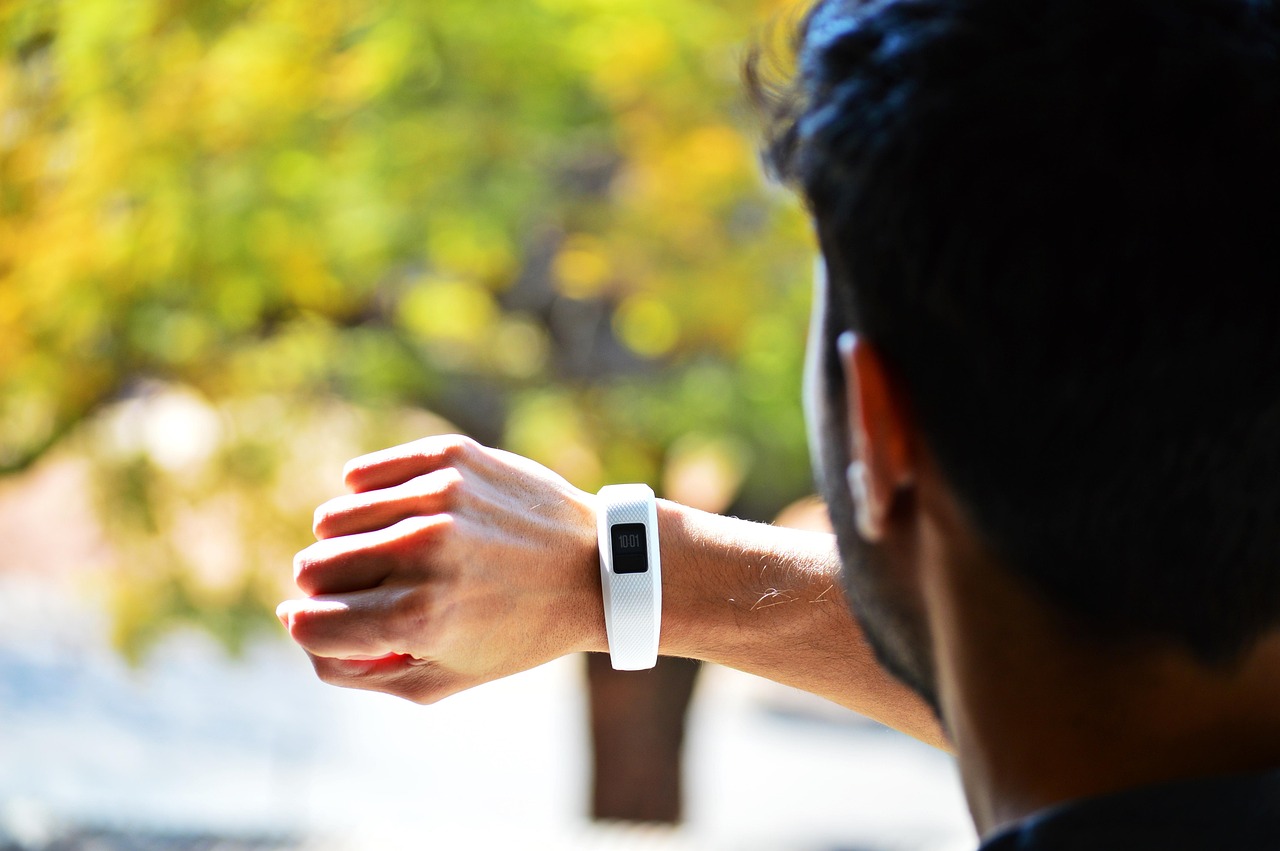

Wearable Fitness Trackers: How Teens Use Data to Improve Health
In recent years, wearable fitness trackers have revolutionized how teenagers engage with their health and fitness. These devices collect a multitude of data regarding physical activity, heart rate, and sleep patterns, providing valuable insights into overall health. As technology advances, these gadgets have become increasingly popular among the youth, offering unique personalized experiences. With user-friendly interfaces and integration with mobile applications, teens find it easy to monitor their progress and set attainable goals. Fitness trackers foster a sense of accountability and motivation, helping young individuals stay active. Moreover, some devices encourage friendly competition through social features, enabling users to compare statistics with peers. This social aspect not only motivates teens but also creates a community focused on health and fitness. Additionally, schools and athletic programs are now incorporating wearable fitness trackers into their routines to help students enhance their performance. This trend signifies a broader shift towards a healthier lifestyle among teens, showing how technology can positively impact their physical well-being. Overall, wearable fitness trackers empower youth to take charge of their health, ensuring they stay committed to their fitness journey.
Beyond tracking steps, these wearables often provide additional health-monitoring features. Many devices measure heart rate variability and monitor sleeping patterns, offering insights into stress levels and recovery. Sleep is crucial for overall health, especially for growing teenagers who often underestimate its importance. By analyzing sleep data, teens can understand how their nightly routines affect their alertness and performance throughout the day. Furthermore, some fitness trackers allow users to log their food intake, offering a holistic approach to wellness. They can graph their progress and receive personalized feedback, which can inspire healthier eating habits. Moreover, educational programs and workshops are focusing on teaching adolescents about incorporating data-driven health practices in their daily lives. This data-centric approach not only fosters critical thinking skills but also encourages responsibility towards self-care. By understanding the consequences of their lifestyles through tangible data, teens become more aware and proactive about their health. Interestingly, this trend aligns with the increasing societal emphasis on mental health. Physical fitness and emotional well-being are closely associated, and fitness trackers serve as a versatile tool in navigating both realms of health. Teens are now more equipped than ever to understand and improve their overall wellness.
Positive Community Influence
Wearable fitness trackers are not only an individual tool but also have the potential to influence communities positively. With the option to join group challenges or engage in social platforms connected to their devices, teenagers can foster team spirit and camaraderie. This sense of community encourages them to push their boundaries while cultivating friendships centered on fitness. As peers motivate one another through shared goals and accomplishments, the effects can be profound. Physical activity becomes a shared norm rather than a solitary task, creating an environment where healthy lifestyles thrive. Schools and local communities can leverage this camaraderie to promote events or activities aimed at improving youth fitness levels, such as fitness challenges or charity runs. With these collective experiences, teens not only support one another but also foster a culture of health awareness among their peers. Moreover, educational institutions can implement wearable technology into their physical education curricula, allowing students to track their progress throughout the semester. Overall, this collective approach enhances teens’ fitness journeys while reinforcing the importance of community in achieving personal health goals.
As the appeal of wearable fitness trackers continues to grow, manufacturers are responding by creating increasingly sophisticated devices. Recent models are equipped with advanced health features such as ECG monitoring and blood oxygen level tracking. These capabilities provide invaluable information, particularly as concerns regarding health and disease management rise among teenagers. With such data at their fingertips, adolescents can identify potential health issues early and consult healthcare professionals as needed. Furthermore, the trend of integrating artificial intelligence into wearables has enhanced personalization. Teens receive tailored recommendations based on their activity levels and health data, offering guidance on how to achieve their fitness goals more effectively. Many devices also incorporate gamification elements, transforming mundane workouts into engaging challenges. This innovative approach not only makes fitness fun but also increases adherence to exercise regimes. The ongoing evolution in the functionality of fitness trackers showcases the importance of technological advancements in promoting health. This growth extends the relevance of these devices in adolescents’ lives, merging health monitoring with capabilities that address their specific needs and preferences. Thus, wearable fitness trackers will remain pivotal in shaping the future landscape of youth fitness.
Challenges and Considerations
While wearable fitness trackers offer numerous benefits, challenges remain that must be addressed for effective health management. One significant concern is the accuracy of the data collected by these devices. Since different brands may employ various technologies, discrepancies can emerge in the readings. Teens may become overly reliant on these numbers, potentially leading to a distorted perception of their health. Furthermore, the pressure to meet fitness goals can sometimes result in unhealthy behaviors. A fixation on metrics might cause stress or anxiety, detracting from the overall experience of staying active. Parents and guardians play a crucial role in guiding teens and promoting a healthy perspective towards fitness tracking. It is vital to ensure that tracking data serves as a tool for motivation rather than an instrument of pressure. Balancing technology and its usage in health management requires open conversations about expectations and results. Additionally, privacy concerns surrounding data collected by these devices must also be at the forefront of discussions with teens. Users should carefully consider how their data is stored and shared, emphasizing the importance of cautious interactions with technology, thus promoting a more responsible approach to health monitoring.
In conclusion, the emergence of wearable fitness trackers has greatly influenced the landscape of youth fitness. As teenagers increasingly rely on these smart devices for health monitoring and fitness guidance, the implications are profound on personal well-being. The combination of technological convenience and social connectivity has resulted in a lifestyle shift among adolescents, making them more aware of their health. This awareness serves as a foundation for cultivating lifelong habits that emphasize physical fitness and well-being. The integration of health education with technology has created opportunities for supportive environments where healthy competition and community engagement thrive. As teens become empowered to track their progression, they can build resilience and determination as they navigate their health journey. The overall allure of fitness trackers offers youthful energy the chance to embrace active living. With continued innovation, these devices will adapt to meet the evolving needs of young users, reinforcing their role as essential tools. Therefore, as the fitness industry progresses, it is crucial to harness the power of technology to enhance health and contribute positively to teenagers’ lives, ensuring that they remain engaged in prioritizing their health.
The Future of Youth Fitness Tracking
Looking forward, the future of wearable fitness trackers among teens appears promising and innovative. As technology continues to evolve, we can expect even more functional features integrated into wearables, offering a broader understanding of health. Companies will likely focus on user experience, prioritizing seamless connectivity and advanced functionalities. As artificial intelligence and machine learning capabilities advance, personalized coaching could become more widespread. This trend may encourage adolescents to engage more profoundly with their health data, thus promoting proactive lifestyle choices. Furthermore, the increasing demand for privacy will push manufacturers to enhance their data protection measures. Teens are becoming increasingly aware of their digital footprints; therefore, ensuring the security of their health data will be essential. Schools and communities may pave the way for widespread adoption by implementing these devices into health curriculums. This strategic integration will cultivate a generation of health-conscious individuals equipped with the knowledge and tools necessary for maintaining their fitness. Ultimately, the future of youth fitness tracking holds the potential to create profound changes in balancing physical wellness, mental health, and community involvement, propelling adolescents toward healthier lifestyles.
As we advance in a technology-driven era, the role of wearable fitness trackers for young individuals is increasingly significant. By embracing data-driven health management, teenagers can leverage these tools to cultivate and maintain healthier habits. From utilizing fitness data to understanding and improving sleep patterns to celebrating physical activity accomplishments with friends, these devices are here to stay. The power of tracking personal progress transforms mundane workouts into a more engaging and insightful journey. Furthermore, collaboration between schools, parents, and healthcare professionals can amplify the positive impact of wearable fitness trackers in nurturing a healthier generation. This influence enriches the educational experience available to teens and empowers them to make informed choices regarding their health. The fusion of fitness tracking with educational assistance highlights the evolving landscape of youth fitness in adapting to the needs of adolescents today. Moving forward, a proactive approach to promoting fitness literacy among the youth can fundamentally shape their understanding and appreciation of health. As a result, wearable fitness trackers will continue to be essential catalysts in driving positive change for the health and fitness habits of teenagers in our society.