
How Manual Therapy Can Help Improve Posture in the Elderly
Posture plays a crucial role in the overall quality of life, especially for the elderly. As individuals age, changes in muscle tone, joint mobility, and spinal alignment can lead to postural problems. These issues can result in pain, discomfort, and increased risk of falls, making it essential to address posture as part of healthy aging. Manual therapy might assist in overcoming these challenges, offering various techniques designed to enhance joint function and mobility. The elderly population can particularly benefit from specific manual therapy approaches tailored for their needs. With proper assessment and treatment, elder individuals can experience improved posture, reduced discomfort, and better movement. Additionally, integrating manual therapy into a regular care routine can facilitate proper body alignment, enhancing daily activities. Beyond relieving pain, better posture can contribute to improved confidence and social interactions. Incorporating education about posture and ergonomics also helps empower older adults. By equipping them with knowledge and implementing manual therapy, we create a supportive environment for elderly individuals to flourish and thrive. Maintaining good posture is essential for overall well-being and can significantly affect one’s abilities and quality of life.
Understanding the Impact of Aging on Posture
Aging significantly impacts posture due to changes in bones, muscles, and joints. Osteoporosis, a condition characterized by weakened bones, is prevalent among older adults, leading to an increased likelihood of fractures and deformities. Additionally, as muscles weaken with age, the body’s ability to maintain an upright posture diminishes. Decreased spinal flexibility and changes in personal activity levels during aging can further exacerbate posture-related issues. Chronic conditions like arthritis or general stiffness make it increasingly challenging for the elderly to maintain proper alignment. Over time, bad posture can result in secondary health issues such as back pain, neck pain, or even migraines. Awareness of these changes can help elderly individuals understand their body mechanics better. It allows them to seek help through manual therapy. Targeted techniques like mobilization, manipulation, or therapeutic massage can alleviate discomfort and enhance mobility. Furthermore, education around posture can play an essential role in reinforcing the importance of maintaining healthy spinal alignment. Through manual therapy combined with awareness and exercise strategies, a comprehensive approach can develop stronger postural habits in aging adults, leading to improved overall well-being.
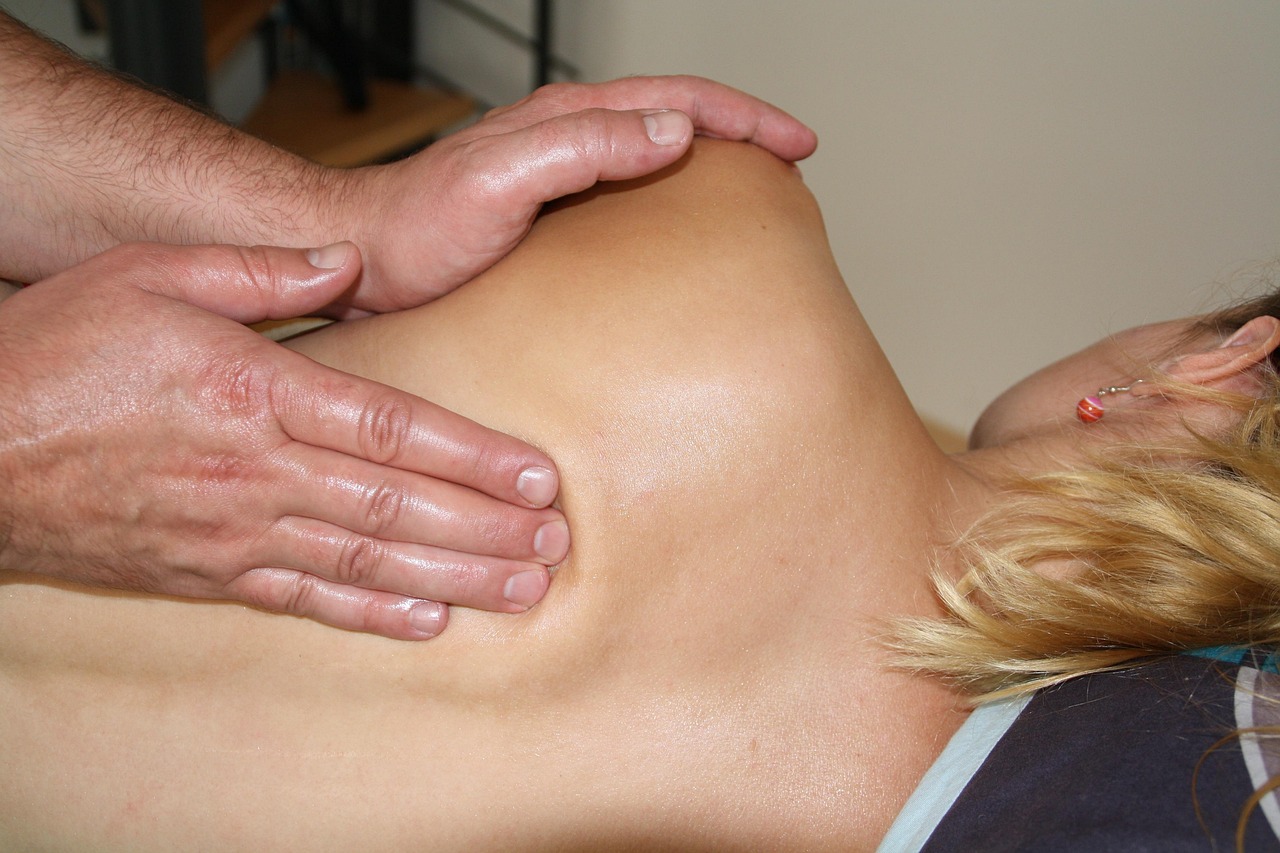
Manual therapy encompasses a variety of specialized techniques aimed at enhancing physical function and promoting better movement patterns. For the elderly, this can be especially beneficial. Therapists utilize hands-on methods to target soft tissues, joints, and fascia, which can help in relieving pain associated with poor posture. One common method is joint mobilization, which involves gently moving joints to increase their range of motion, reduce stiffness, and alleviate pain. Another approach includes soft tissue manipulation, which focuses on loosening tight muscles or fascia to improve flexibility and circulation. Techniques such as myofascial release may also contribute to alleviating restrictions in the musculoskeletal system. These therapies can be tailored specifically for elderly clients, taking considerations like their physical limitations and existing medical conditions into account. It is crucial that these therapies are conducted by trained professionals to ensure safety and efficacy. Regular manual therapy sessions can lead to progressive improvements in posture, resulting in enhanced balance and overall health. As elderly individuals experience these benefits, they often feel empowered to engage in physical activity, which can help maintain their overall health and functional abilities.
The Role of Ergonomics in Elderly Posture
In addition to manual therapy, ergonomics plays a vital role in improving posture among the elderly. Ergonomics refers to designing workspaces and activities to suit the needs of the individual, promoting comfort, safety, and efficiency. For elderly individuals, adapting living spaces can minimize risks and enhance their daily experiences. Simple adjustments, such as the height of furniture, positioning of frequently used items, and the arrangement of room layouts, can significantly impact how the elderly manage posture during their everyday activities. For instance, using chairs with good lumbar support helps maintain the natural curvature of the spine, reducing back strain. Proper arrangement of kitchen items can prevent unnecessary bending or reaching, helping maintain proper posture while cooking. Furthermore, ergonomic tools are available for various tasks, making movements easier and more comfortable. Education on ergonomics can empower elderly individuals to make informed choices about their environment, promoting healthier postural habits. Integrating ergonomic principles with manual therapy can create a comprehensive approach to improving and maintaining good posture, ultimately enhancing the overall well-being of older adults, allowing them to live independently and confidently.
Instead of focusing solely on treatment, a proactive approach emphasizing prevention is essential for maintaining good posture in elderly individuals. Empowering them with knowledge about their body mechanics and posture awareness can lead to positive long-term results. Simple exercises to improve core strength, flexibility, and balance can be incredibly beneficial. Activities such as yoga, tai chi, and Pilates not only promote physical fitness but also encourage mindfulness about posture. Additionally, strength training exercises can help combat muscle weakness often associated with aging. When performed under professional guidance, these activities can significantly enhance postural control and overall physical health. Regular practice of these exercises promotes greater mobility, offers pain relief, and helps prevent injuries from falls. Furthermore, creating a supportive community and encouraging social engagement can enhance the motivation to practice good posture and participate in physical activities. Families and caregivers play a crucial role in encouraging these practices, underscoring the need for a partnership approach. By fostering a supportive atmosphere, elderly individuals are more likely to value and commit to maintaining proper posture, leading to improved health and quality of life.
Choosing the Right Manual Therapy Professional
It is important to choose the right manual therapy professional for elderly individuals undergoing treatment for postural issues. Look for practitioners with experience in working with older adults, who understand the unique challenges they may face. Credentials, such as certifications in geriatric therapy or specialization in manual therapy techniques, can indicate a professional’s capability to provide safe and effective care. A thorough assessment is essential to tailor treatment plans specifically to the individual’s needs and goals. Additionally, considering personal rapport with the therapist can enhance comfort during sessions, allowing openness about concerns or discomfort. Recommendations from other healthcare providers, family members, or community organizations can assist in making informed decisions. Once a suitable professional is selected, open communication remains vital throughout the therapy process. Ensuring the therapist understands the individual’s medical history, current conditions, and personal goals can lead to better results. Regular evaluations should be conducted to monitor progress and determine the need for adjustments in therapy plans. Ultimately, choosing the right manual therapy professional enhances compliance and outcomes, improving the quality of posture and life for the elderly.
Engaging in manual therapy offers numerous advantages for elderly individuals looking to improve their postural health. One key benefit is pain relief: manual therapy techniques can alleviate discomfort associated with poor posture, enabling greater ease of movement. Improved joint mobility and flexibility allow older adults to participate in physical activities they once enjoyed but may have avoided due to pain or stiffness. Better posture also contributes to enhanced breathing: proper alignment promotes effective lung function, increasing oxygen supply to the body, which is essential for vitality and overall health. Additionally, individuals report increased energy levels and motivation to engage in personal care tasks, fostering independence. The psychological benefits cannot be overlooked either; as individuals experience improvements in posture, they often report increased self-confidence and higher self-esteem. This sense of empowerment can encourage older adults to remain active and engage socially, reducing feelings of isolation. As their physical health improves through the support of manual therapy, they experience a holistic enhancement of their well-being. Therefore, integrating manual therapy into a comprehensive care strategy can profoundly impact improving posture, movement, and overall quality of life for the elderly.