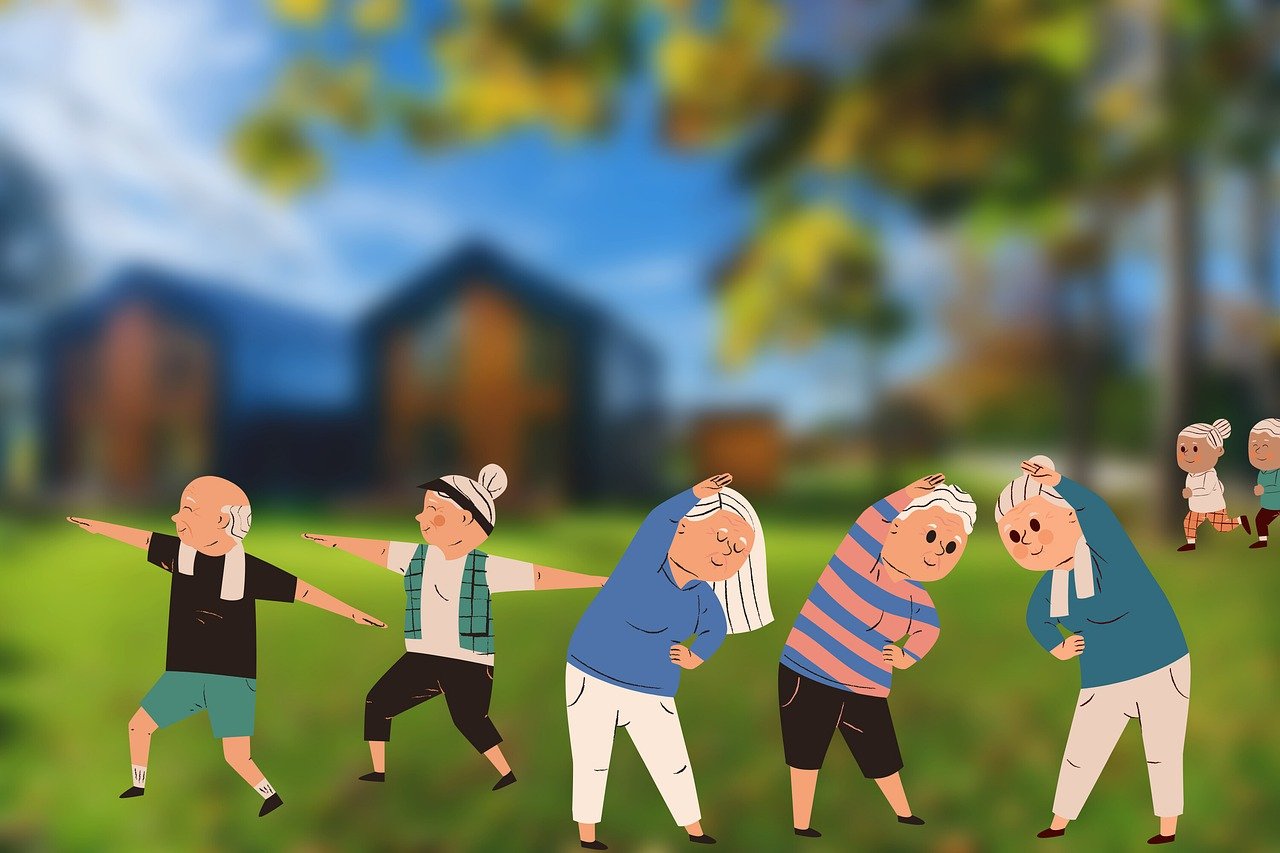

Pilates for Seniors: Strengthening Bones and Joints
Pilates is a low-impact exercise method that focuses on strength, flexibility, and body awareness. It is especially beneficial for seniors, as it helps in maintaining bone density and joint health. As people age, they often face issues such as osteoporosis and arthritis, making it vital to engage in exercises that promote skeletal strength. Pilates emphasizes controlled movements, which can enhance both balance and coordination, critical elements for older adults. By practicing Pilates, seniors can improve their posture and alignment, which in turn can reduce the risk of falls. Furthermore, the exercises help strengthen the core muscles, providing better support to the spine. Each Pilates session helps in gently stretching and toning muscles without straining joints. As a result, many seniors find that they can move more freely after incorporating Pilates into their routines. When considering a Pilates class, it’s vital to choose one tailored for seniors, ensuring the instructor understands their unique needs. Always consult with a physician before starting any new exercise program to safeguard against injuries.
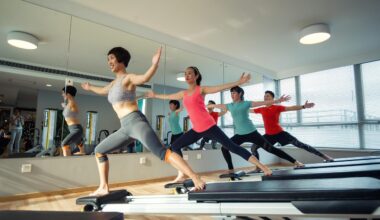
One aspect of Pilates that is appealing to seniors is its adaptability. Regardless of fitness level, exercises can be modified to accommodate individual abilities. For instance, seniors with limited mobility can perform many Pilates movements on a reformer or mat. The use of equipment such as resistance bands and balls can also assist in safely performing exercises. Many classes specifically designed for older adults cater to various levels of fitness and provide support through props. This ensures seniors can participate in a way that feels comfortable while still being challenged. Furthermore, Pilates can be practiced at home with minimal equipment, allowing seniors to continue their fitness journey outside of structured classes. The convenience of home workouts makes it easier for seniors to maintain consistency in their exercise regimen. Gentle stretching exercises can also enhance joint flexibility, significantly reducing stiffness that often occurs with age. Other notable benefits of Pilates for seniors include increased circulation and improved mental well-being. Engagement in mindful movement through Pilates fosters a connection between body and mind, leading to overall enhanced emotional health.
The Role of Core Strength in Joint Health
Core strength is crucial for joint health, especially for seniors. The core comprises the muscles surrounding the abdomen, lower back, and pelvis, and it plays a significant role in stabilizing the body during movement. Pilates places a strong emphasis on building core strength, which helps protect the joints from injury. When the core is weak, seniors may be more susceptible to strains or falls during daily activities. A strong core not only supports proper posture but also allows for better movement mechanics. Seniors who focus on strengthening their core through Pilates often experience reduced back pain and increased mobility. Moreover, improved core stability enhances balance, preventing falls—a major concern for older adults. Gradually incorporating exercises that emphasize core engagement can yield remarkable results. Additionally, a solid core contributes to enhanced locomotion, allowing seniors to navigate their environment with greater ease. Maintaining an active lifestyle, which includes Pilates, is key to preserving independence as one ages. Regular practice can empower seniors to take charge of their health, leading to better bone and joint conditions.
Balance is another critical factor that Pilates addresses effectively. As seniors grow older, maintaining balance becomes increasingly difficult due to changes in muscle strength, flexibility, and coordination. Pilates exercises frequently include stability and balance components, which help improve proprioception—the body’s ability to sense its position. Improved proprioception prevents falls and associated injuries. Instructors can introduce balance challenges with standing exercises or by incorporating dynamic movements. For example, exercises performed on one leg foster stability and strengthen the ankle and knee joints. Pilates also encourages focused breathing, which can aid in enhancing concentration during balance activities. It is essential for seniors to engage in regular balance training, as this not only supports joint stability but also enhances confidence. Classes targeting seniors often address specific needs, educating participants on safe practices while improving their functional abilities. The incorporation of balance-enhancing exercises in a Pilates routine can lead to significant improvements in overall physical health. Consequently, seniors will find daily tasks such as walking, climbing stairs, and rising from a seated position become easier and safer as their balance improves.
The Importance of Flexibility for Seniors
Flexibility is essential for maintaining movement quality and preventing injuries as we age. Many seniors experience a natural decline in flexibility, impacting their ability to perform everyday activities. Pilates offers a series of stretches and strengthening exercises targeting specific muscle groups, promoting flexibility while enhancing overall strength. Improved flexibility assists with joint health and helps alleviate stiffness that often results from prolonged periods of inactivity. Attending classes tailored for older adults ensures that participants perform stretches safely and effectively. Additionally, instructors can provide modifications for various levels of flexibility, ensuring everyone feels comfortable and achieves personal goals. Focusing on gradual improvements motivates seniors to continue their Pilates journey while reaping rewards. Pilates also increases overall range of motion, reducing tightness in muscles and connective tissues. Enhanced flexibility allows seniors to perform daily tasks more efficiently, contributing to maintaining independence. Establishing a routine that focuses on both strength and flexibility is crucial for long-term health. The increased awareness of body alignment and movement mechanics in Pilates also helps seniors develop better habits for all physical activities. Engaging in flexibility training leads to an improved quality of life and less discomfort throughout the day.
Incorporating mindfulness into physical activity can yield numerous benefits for seniors, and Pilates excels in this area. Each Pilates session encourages participants to focus on their breath and movements, fostering a mind-body connection. This heightened awareness not only enhances the effectiveness of the exercises but also promotes relaxation and stress relief, crucial elements for emotional health in seniors. The meditative component of Pilates allows practitioners to clear their minds and focus entirely on their body’s movements. Many seniors find that regular practice of mindfulness during Pilates translates to better stress management off the mat. Moreover, mindfulness can lead to improved sleep quality, as it helps reduce anxiety and promotes relaxation. The mental benefits of Pilates should not be overlooked, as emotional well-being is pivotal to overall health. Creating a supportive group environment can further enhance motivation and accountability, enabling seniors to enjoy their exercise routine with others. Social interaction while exercising also combats feelings of isolation, common in older adults. Thus, Pilates stands out as an exceptional exercise choice, addressing both physical and emotional health needs for seniors.
Conclusion: Embrace Pilates for Enhanced Quality of Life
In conclusion, Pilates is an effective exercise system that offers numerous benefits for seniors, including enhanced bone strength, joint health, flexibility, and balance. By engaging in regular Pilates practice, older adults can maintain their independence and improve their overall quality of life. The gentle, adaptive nature of Pilates suits various fitness levels, making it accessible for nearly everyone. Those intrigued by the potential of Pilates should consider seeking instruction from certified instructors experienced with older adults. These professionals understand the unique challenges seniors face and can tailor exercises to meet individual needs. Building a strong foundation of core strength is crucial in reducing injury risk and safeguarding joint stability. Flexibility and balance training further equip seniors to navigate their daily lives with confidence and ease. Additionally, the meditative aspect of Pilates fosters mental clarity and emotional well-being, which are vital as we age. Embracing Pilates into daily routines will contribute to lasting health benefits for seniors, creating a fulfilling lifestyle. As seniors explore this enriching exercise method, they unlock their potential for improved health and vibrant living.
To find qualified instructors or classes, individuals can start by searching for local studios that focus on Pilates for seniors. Many communities offer specialized programs tailored to older adults. Engaging with local fitness centers or health clubs is also a great place to begin, as they may have dedicated sessions available. Online resources, including videos and courses focused on Pilates for seniors, are becoming increasingly popular. These options can provide at-home exercises for seniors not ready to attend in-person classes. Always prioritize safety and consult with a healthcare provider before starting a new fitness regimen. Joining classes promotes social interaction and helps create a support network, enhancing motivation. Many studios now offer trial classes, allowing seniors to experience Pilates firsthand before committing. Overall, Pilates stands out as an ideal exercise method for older adults, promoting health and wellness in an enjoyable way. Seniors should not hesitate to take the first step toward improving their physical and emotional well-being through this practice. Participating in Pilates can lead to healthier and happier living, ultimately enriching their lives significantly.