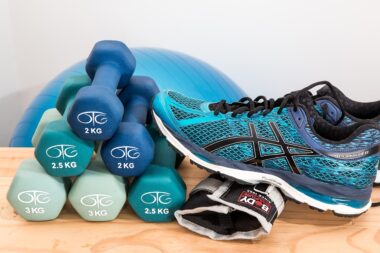

Preparing Mentally and Physically for Solo Bootcamp Training
Solo bootcamp training requires a unique blend of mental strength and physical preparedness. Understanding how to prepare for this type of training is crucial to achieving your fitness goals efficiently. First, ensure your workspace is clean and organized. A cluttered environment can lead to distractions impacting your workouts. Create a schedule that allocates specific times for training each week, allowing for rest days and recovery. Rest days are vital as they help the body recover; thus, they should not be neglected. Starting with light exercises can ease you into the intensity needed while building consistency. Increasing your water intake hones your hydration levels, which are pivotal for performance during intense workouts. Additionally, focus on balanced nutrition, incorporating vegetables, proteins, and healthy fats to fuel your body adequately. Setting achievable goals is paramount, as they encourage consistent progress. Engage in mental exercises such as visualization, preparing your mind for the training ahead. By visualizing the activity, you can increase your readiness to perform. You may also find it beneficial to join online communities or forums for motivation and support throughout your journey, enhancing your overall bootcamp experience.
Establishing a positive mindset significantly shapes your approach to solo bootcamp training, fostering resilience against obstacles. It’s essential to adopt a proactive attitude towards challenges, encouraging personal growth amidst difficulties. One effective way to enhance mental preparedness is through journaling, which allows you to reflect on your feelings and progress. Writing down daily reflections helps in tracking goals while reinforcing accountability. Another approach to boost mental strength is practicing mindfulness or meditation to center your thoughts before workouts. This effectively calms the mind, enhancing focus and commitment. Additionally, consider setting a consistent routine each day that includes your training schedule and recovery times to foster discipline. Engaging in self-talk helps reinforce your determination, transforming negative thoughts into positive affirmations. Incorporate activities outside of training that bring you joy, which help alleviate stress and enhance your overall mental wellbeing. Establishing connections with trainers or fitness experts online can also enrich your solo bootcamp experience. Their insights can provide you with valuable resources and tailored tips for effective training, allowing your journey toward focusing on personal achievements. Setting targeted, measurable objectives will keep you motivated and on track to achieve your fitness aspirations.
When embarking on a solo bootcamp training journey, establishing a consistent training schedule is crucial for maximizing results. A well-planned routine helps organize exercise sessions, ensuring that you target all major muscle groups without overtraining any area. Begin by assessing your current fitness levels, identifying strengths and weaknesses, and tailoring your routine accordingly. Prioritize workouts that incorporate strength training, cardiovascular exercises, and flexibility routines to ensure a well-rounded fitness regime. It’s vital to allocate shorter workouts initially to gradually increase endurance, especially if you are new to exercise. Design workouts that are varied and engaging, targeting different muscle groups and employing techniques like interval training to prevent boredom. Incorporate both high-intensity and low-intensity sessions; this can help enhance overall performance over time. Consider purchasing equipment that can complement your training sessions. Resistance bands, dumbbells, or kettlebells are excellent choices as they offer versatility. Scheduling a specific time for workouts can help build accountability, making training a priority rather than a last-minute decision. Keeping track of your progress through a workout log can boost motivation and facilitate improvements while continually reaffirming your commitment to fitness.
Fueling your body correctly is equally important when preparing for solo bootcamp training, as nutrition significantly impacts performance. Planning nutritious meals is essential for sustaining energy levels during training sessions. Incorporating a variety of food groups, particularly carbohydrates, is essential for providing the energy needed for intense workouts. Proteins are vital too, as they support muscle recovery and development. Healthy fats, including avocados and nuts, should not be overlooked either, as they contribute to overall energy balance. Prioritize whole, unprocessed foods to ensure a well-rounded diet, limiting sugars and high-fat processed items. Staying hydrated is a critical component of your nutrition strategy; aim to drink water throughout the day, not just before workouts. Consider preparing pre-training snacks like bananas or protein bars, providing an extra energy boost. Post-training meals should contain a healthy mix of carbohydrates and protein to replenish energy reserves and support muscle recovery. Planning meals ahead of time can save time and reduce the need to make poor food choices under pressure. Remember to listen to your body’s hunger cues, responding promptly to maintain an optimum balance throughout your fitness journey.
Incorporating Recovery Techniques
Recovery techniques play a significant role in the effectiveness of your solo bootcamp training; incorporating these strategies will aid in achieving optimal results. Prioritize sleep as an essential part of your recovery process; aim for at least seven to eight hours of quality sleep each night. This will facilitate physical recovery and improve mental alertness during training sessions. Stretching after workouts can significantly enhance flexibility and reduces muscle tension, improving overall performance in the long run. Additionally, consider investing in foam rollers or massage balls to alleviate muscle soreness and prevent injuries. Regular practices like yoga can enhance recovery while improving flexibility; implementing it into your routine may facilitate faster recovery between workouts. Listening closely to your body helps in identifying when stretching or light activity is beneficial versus when additional rest is needed. Combining activities like cold baths or contrast showers may expedite recovery, providing a refreshing reset after intense training sessions. Gradually increasing workout intensity allows the body to adapt efficiently, reducing the risks of injury while optimizing performance. Don’t hesitate to consult with fitness professionals to individualize recovery solutions specifically tailored to your needs.
As you prepare for solo bootcamp training, maintaining proper motivation levels becomes paramount for sustained success. The motivation to train can fluctuate; therefore, it is crucial to cultivate enduring inspiration. Setting long-term and short-term goals instills a sense of purpose, as achieving small milestones can bolster confidence. Visualize your success during training, as this mental exercise can create a strong commitment to your fitness journey. Creating a motivational playlist featuring your favorite energizing songs can uplift spirits during workouts, transforming mundane sessions into enjoyable experiences. Additionally, celebrating personal achievements, whether minor or significant, can provide a sense of fulfillment, reinforcing continued efforts. Engaging friends or family in your fitness journey for support can enhance accountability and motivation as sharing milestones can make the experience enjoyable. Social media can also be a platform for accountability, allowing you to connect with like-minded individuals for support during challenging times. Embracing challenges as opportunities for growth rather than obstacles fosters a positive mindset essential for long-term success in solo bootcamp training. Remember, establishing and nurturing motivation must be a continuous effort to achieve your fitness aspirations.
In conclusion, preparing mentally and physically for solo bootcamp training requires dedication, a clear plan, and a positive mindset. Learning how to effectively organize your training schedule while creating a balanced nutritional strategy is paramount. Prioritizing recovery techniques contributes to achieving optimal results, while maintaining motivation fuels ongoing commitment to your goals. Embrace this journey as a transformative experience, allowing you to discover your true capabilities. The path to improved fitness is filled with challenges that will help you grow and evolve, both physically and mentally. Focus on setting clear objectives and strive for progress over perfection, ensuring each small achievement is celebrated. Engage with communities or platforms, fostering connections with others on similar journeys to unify efforts and share insights. Incorporate these strategies into your routine consistently to build resilience during tough training days, allowing your fitness aspirations to become attainable. Keep in mind that consistency is critical, leading to the cumulative progress essential to realizing your ultimate goals in solo bootcamp training. With determination and commitment, you will thrive in this journey, cultivating a healthier lifestyle while embracing the physical and mental challenges ahead.