
Creating a Safe Space for Yoga and Pilates at Home
Establishing a designated area in your home for yoga and Pilates is crucial for your practice experience. This space should ideally be quiet and free from distractions. Choose a well-ventilated room with sufficient light. Adequate lighting helps you maintain focus and avoid injury by enabling you to see your body alignment during practice. Keep the area clutter-free, removing any furniture or objects that could pose a trip hazard. Ensure the floor is stable and flat; soft surfaces can provide additional comfort but may be slippery. Utilize yoga mats for grip and comfort. Additionally, make sure to keep necessary props, such as yoga blocks and straps, handy. These tools can enhance your practice and support your body. Create a calming atmosphere using elements like candles or essential oil diffusers. Soft music can also foster relaxation and focus. Regularly assess and reorganize your space to maintain safety and comfort. Finally, ensure the temperature is comfortable, as this will help you concentrate and enjoy your practice without any physical discomfort.
Having the right equipment is essential for a safe and effective workout routine at home. As you create your yoga and Pilates space, ensure you have all the essential equipment. Quality yoga mats provide traction and cushioning to enhance your stability. Invest in high-quality mats that suit your practice level and style. Additionally, yoga blocks can assist in achieving proper alignment and enhancing your flexibility during poses. Utilize straps to help with stretches and hold poses safely. Having a bolstered cushion can offer back support and extra comfort. A Pilates reformer or stability ball can also help amplify your workouts. Always check equipment for signs of wear and tear before using them; this prevents accidents during practice. Ensure you have a good water bottle nearby to stay hydrated. Hydration is key to ensuring optimal performance and recovery. Finally, consider having a towel on hand for sweat management to maintain grip and avoid slipping. Having your equipment organized and easy to access can streamline your workout sessions and make your practice more enjoyable. This preparation will encourage consistency and a safer practice.
Maintaining a Distraction-Free Environment
Creating a distraction-free environment is vital for a successful yoga or Pilates session at home. To optimize your practice, designate your exercise space away from high-traffic areas or noisy zones. Utilize a quiet room, but if none are available, consider soundproofing options like rugs or curtains. Sound can be a significant disruptor during meditation and physical movement. Turn off notifications on your smartphone and other electronic devices to avoid interruptions. Consider using apps that help focus or meditate that can enhance your experience. You might also dim the lights or use soft lighting as this creates a mood conducive to practice. For added relaxation, play soft instrumental music or nature sounds. This can help drown out any external noises and promote relaxation. Regularly review your surroundings for anything that may take your focus away from your workout. Simple changes like closing doors or windows can help limit distractions from outside noise. Being mindful of your environment can significantly enhance your yoga and Pilates experiences, allowing you to stay in the moment and fully engage with your practice.
Practicing mindfulness is a critical aspect of ensuring safety and effectiveness in yoga and Pilates sessions at home. Building self-awareness within your practice enables you to listen to your body’s needs, ensuring that you perform movements correctly and safely. Pay careful attention to your breath; this will help you maintain smooth transitions and focus on your execution. Taking the time to assess how your body feels at the beginning of each session is essential. Set intentions before you start practicing, which can center your mind and help reduce injuries. Always avoid pushing yourself beyond your limits, especially in challenging poses that may not come easily. Modify movements when necessary and prioritize your comfort and safety over achieving a specific goal. Regularly check your body alignment, especially in standing poses, to avoid strain. Early identification of discomfort or tension is key to making adjustments that will prevent injury. Lastly, practice gentle self-talk to maintain positivity and encouragement. By integrating mindfulness into your practice, you foster both physical and mental well-being, enhancing your overall yoga and Pilates experiences at home.
Regular Cleaning and Maintenance
Maintaining cleanliness and organization in your yoga and Pilates area is crucial for a safe environment. Regularly cleaning your mat and equipment ensures hygienic practices, especially if shared with others. Clean sweat and grime to prevent slipping during workouts. Many mats can be wiped down with mild soap and water solution; check for manufacturer guidelines. Additionally, evaluate props for wear and replace them when necessary to avoid accidents. Practice good hygiene, especially if you are sharing equipment. Consider labeling personal items to avoid any mix-ups. A clean practice space will foster mental clarity and promote relaxation. Organize props neatly and out of the way when not in use. Use storage solutions like baskets or shelving to keep your area tidy. Additionally, regularly declutter to ensure your practice area remains inviting and safe. Rotating mats and equipment regularly can also prolong their lifespan and effectiveness. Establish a cleaning routine after workouts to help maintain this sacred space. When you take care of your workspace, you set yourself up for long-term success and enjoyment in your yoga and Pilates journey.
Listening to your body is a core principle in yoga and Pilates that helps maintain a safe practice at home. As you progress, remember that each body is unique and develops at its own pace. Some poses may feel easier for you than others, while certain movements might be challenging. Focus on how you feel during each pose; if you sense discomfort or strain, it’s vital to ease back. Modify and adapt as necessary instead of forcing yourself into a position. Utilize a wall or chair for support if needed. Having a mirror can help you monitor your form and ensure that you are practicing safely. Aim for alignment, not just aesthetics, to prevent injuries. Not every session has to be challenging; recognize the value in gentler days, which are often necessary for recovery. Practicing self-compassion can help cultivate a positive mindset, reinforcing your love for your practice. Consistency and patience are vital for improvement. When you listen to your body, you foster a healing space that honors your needs, ensuring that your practice remains sustainable and enjoyable over time.
Creating a Community Spirit
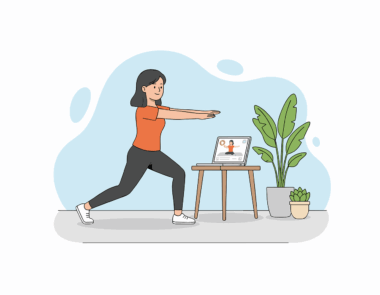
Establishing a sense of community even in your home yoga and Pilates workouts can bring additional motivation and prevent isolation. Consider reaching out to friends or family for virtual workout sessions to stay connected. Online classes allow you to join instructors and fellow practitioners, creating an interactive experience. Sharing progress, challenges, and personal achievements makes staying motivated easier. Platforms like social media can also serve to build community by enabling interaction with like-minded individuals. Create a group where you exchange tips and experiences, fostering encouragement among participants. Engaging in community practice can lead to deeper connections and support towards personal fitness goals. Initiate challenges or themed sessions as fun initiatives to enhance engagement. This not only provides accountability but also adds variety to your routine. Celebrate milestones together, even if virtually, to recognize each other’s efforts and keep spirits high. Moreover, collaboration opens the door to exploring new techniques and practices in yoga and Pilates. By integrating a sense of community, you elevate your home workouts and establish a more holistic approach towards fitness and wellness.
Setting personal goals is a crucial aspect of creating a fulfilling practice at home, especially for yoga and Pilates enthusiasts. Establishing clear and achievable goals helps guide your practice while keeping motivation alive. Begin by evaluating what you hope to accomplish through your sessions. Is it to enhance flexibility, build strength, or simply develop consistency? Once you set specific objectives, outline actionable steps to reach these goals. For example, if you aim to master a particular pose, dedicate time to practice it consistently while incorporating supplemental exercises. Track your progress; documenting can reveal how far you have come, fueling motivation. Be kind to yourself and understand that progress is often non-linear. Incorporating variety into your practice can also keep things refreshing. Try new classes, attend workshops, or experiment with different styles to expand your abilities. Challenge yourself gradually while ensuring your foundations remain strong. As you progress, celebrate small victories along the way, reinforcing your commitment to growth. When you set personal goals, foster self-reflection, and maintain a positive mindset, you enhance your yoga and Pilates journey at home significantly.