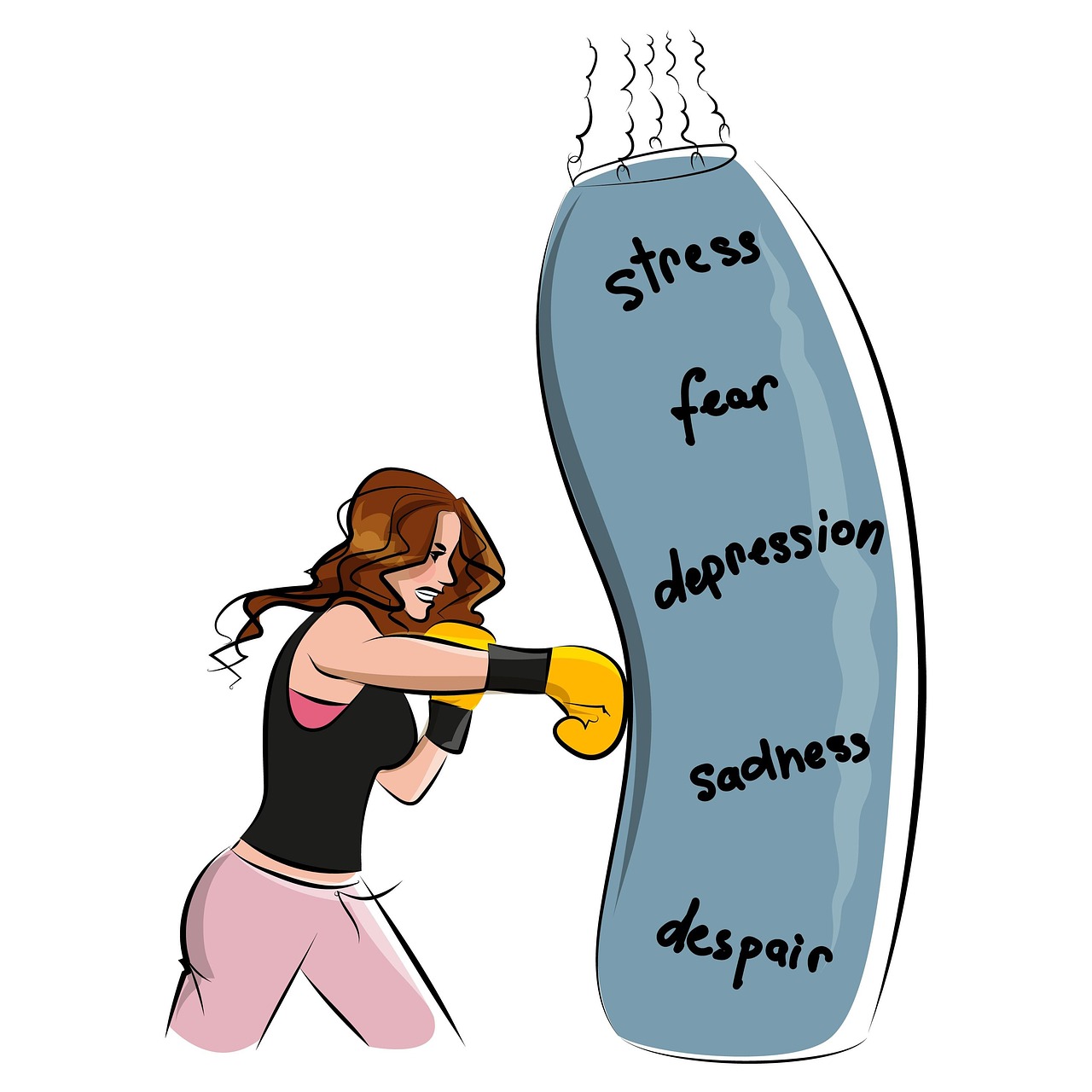

How Neurohormones Mediate Stress and Recovery in the Body
The human body is a complex system where the mind and body communicate and interact continuously. This communication is primarily facilitated by neurohormones, which play a crucial role in mediating responses to stress and recovery processes. Neurohormones are powerful chemical messengers released from the brain that affect various physiological functions. Stress triggers the release of these hormones, leading to immediate effects on heart rate, immune function, and emotional responses. A heightened state of stress can cause these neurohormones to enter the bloodstream, leading to widespread physiological changes. These interactions highlight the importance of understanding how one’s mental state can significantly affect physical health. New findings in neuroscience have shed light on the intricacies of this relationship, prompting further investigation into potential therapeutic interventions. This article delves into the various neurohormones involved, such as cortisol and oxytocin, and explores their roles in stress responses and recovery. By understanding these mechanisms, we can develop better strategies to reduce stress and enhance recovery, thus improving overall well-being. Looking deeper into this mind-body connection can pave the way toward more holistic health approaches.
The stress response is a biological and psychological reaction that activates the body’s fight-or-flight response. When faced with a stressful situation, the hypothalamus sends signals to the adrenal glands, triggering the release of cortisol, adrenaline, and other neurohormones. Cortisol, commonly known as the stress hormone, plays a significant role in regulating metabolism, inflammation, and immune responses. It prepares the body to deal with perceived threats by increasing energy levels and alertness. However, prolonged exposure to high cortisol levels can have detrimental effects on both mental and physical health, contributing to conditions like anxiety, depression, and cardiovascular diseases. Research has demonstrated that managing stress effectively can lower cortisol levels and enhance recovery. Techniques such as mindfulness, exercise, and behavioral therapies can positively influence the production and release of neurohormones, leading to improved health outcomes. In contrast, a lack of effective stress management can lead to chronic stress, setting off a cycle of negative outcomes. Understanding these dynamics is essential for anyone looking to improve their approach to stress and recovery. Awareness of the neurohormonal processes involved provides valuable insights into how to better manage health.
The Role of Oxytocin in Stress and Recovery
Oxytocin is another significant neurohormone closely associated with social bonding, emotional regulation, and stress response. Commonly known as the ‘love hormone,’ oxytocin is released during moments of intimacy and connection, playing a vital role in strengthening relationships. Interestingly, oxytocin also counteracts the effects of stress by reducing the levels of cortisol in the body. High oxytocin levels promote feelings of safety, trust, and emotional well-being. Studies have shown that social support and nurturing interactions can significantly elevate oxytocin levels, creating a buffer against stress. Engaging in positive social interactions such as hugging, bonding with loved ones, or even pets can enhance the release of oxytocin. This creates a feedback loop where increased oxytocin not only alleviates stress but also promotes healthy relationships and recovery. Furthermore, oxytocin’s role extends to physical recovery as it enhances healing and reduces inflammation. Understanding the importance of oxytocin in managing stress illustrates the potential benefits of focusing on building supportive relationships to promote resilience and recovery in challenging situations.
Neuroscience continues to highlight how our environment affects stress hormone release, directly impacting our health. Factors such as diet, sleep quality, and social connections dramatically influence the balance of neurohormones in the body. For instance, a diet rich in omega-3 fatty acids and antioxidants can help stabilize cortisol levels. Similarly, adequate sleep is crucial for regulating hormone levels, ultimately affecting recovery and stress management. Sleep deprivation can exacerbate stress responses and further disrupt hormonal balance. On the other hand, elements of a supportive environment, including healthy relationships, directly contribute to increased oxytocin levels. These insights emphasize the interconnectedness of physiological, psychological, and environmental factors in stress management. Behavioral approaches that prioritize lifestyle changes, social connections, and overall well-being can yield significant improvements in neurohormonal health. Moreover, developing coping strategies tailored to individual needs is crucial for managing stress effectively. By fostering awareness of these lifestyle influences, individuals can take proactive steps toward enhancing recovery and managing stress in their daily lives, leading to a more comprehensive understanding of health.
Therapeutic Interventions Targeting Neurohormones
Recognizing the connection between neurohormones and stress opens the door to various therapeutic interventions aimed at promoting recovery. Mindfulness meditation and yoga have gained attention for their ability to lower cortisol levels and enhance overall well-being. These practices encourage relaxation and enhance the body’s ability to regulate stress responses, effectively recalibrating hormonal balance. Other interventions, such as cognitive-behavioral therapy (CBT), focus on changing thought patterns to promote resilience against stress. CBT has been shown to help individuals manage their stress by altering perceptions, leading to a reduction in cortisol levels. Additionally, supplementation with certain natural products that promote hormonal balance, like adaptogens, may also facilitate the regulation of cortisol and improve mood. Understanding the biological underpinnings of stress and recovery enables healthcare professionals to devise targeted approaches tailored to individual needs. These strategies underscore the importance of addressing the mind-body connection at clinical levels, supporting patients in achieving healthier lives. Emphasizing neurohormonal health facilitates a deeper understanding of how resilience can be cultivated through thoughtful practices and lifestyle changes.
The implications of understanding neurohormonal mediation extend beyond individual health; they also influence workplace and community dynamics. High-stress environments can lead to a decrease in productivity and well-being. Conversely, supportive workplaces that foster a culture of connection can enhance teamwork, efficiency, and overall employee satisfaction. Organizations can implement wellness programs that encourage physical activity, team-building exercises, and relaxation techniques aimed at lowering stress levels among employees. Such initiatives can, in turn, boost oxytocin levels, promoting positive interactions among colleagues. Recent studies also reveal that community support systems play a vital role in mitigating stress at a collective level. Programs that encourage social engagement and connection improve mental health outcomes in their communities. Enhancing social cohesion not only supports individuals in managing stress but also cultivates an environment rife with resilience, ultimately benefiting society as a whole. Recognizing the influence of neurohormones on broader societal dynamics can guide the development of policies aimed at improving mental health resources, fostering collaboration, and promoting communal well-being. This awareness is essential in creating healthier spaces for all.
Conclusion: Embracing the Mind-Body Connection
In conclusion, the intricate relationship between neurohormones, stress, and recovery demonstrates the importance of overall mental and physical health. Understanding how neurohormones like cortisol and oxytocin interact and influence our well-being is paramount for both individuals and communities. Stress is an inherent part of life; however, having optimal coping mechanisms and support systems can significantly improve how we manage stress and recover from it. Practical applications such as mindfulness, healthy relationships, and therapeutic interventions focused on balancing neurohormones not only can enhance recovery but also ultimately enrich our lives. Ongoing research in the neuroscience of mind-body interaction can continue to illuminate pathways for improving health outcomes. Advocating for a greater understanding of these dynamics in schools, workplaces, and communities fosters resilience and nurtures well-being. By embracing and integrating the concept of the mind-body connection into daily life, individuals can lead healthier, more fulfilling lives. By empowering ourselves and others to harmonize mental and physical health, we can cultivate a more supportive and connected society.
Addressing the neurohormonal factors in stress and recovery extends beyond mere interest; it ultimately involves embracing a proactive approach to health and wellness. The interplay between the mind and body offers profound insights into how we function and interact within our environments. In approaching stress management, adopting integrated strategies aimed at optimizing neurohormonal balance enhances health outcomes. This could involve educational initiatives promoting awareness about the impacts of lifestyle choices, fostering supportive communities, and advocating for mental health resources. Given that the management of stress and supporting recovery processes hinges on our understanding of neurobiology, promoting education and awareness cannot be overstated. By leaning into these ideas and integrating the best evidenced-based practices, each individual can take steps toward better health. The quest for a harmonious existence lies in the recognition of how profoundly interconnected our mind and body truly are, emphasizing the need for individual and collective action. Ultimately, a comprehensive approach necessitates appreciating the complexities involved and a willingness to foster connection and resilience for a healthier future.