
Assessing the Benefits of Craniosacral Therapy for Fitness in Chronic Disease Sufferers
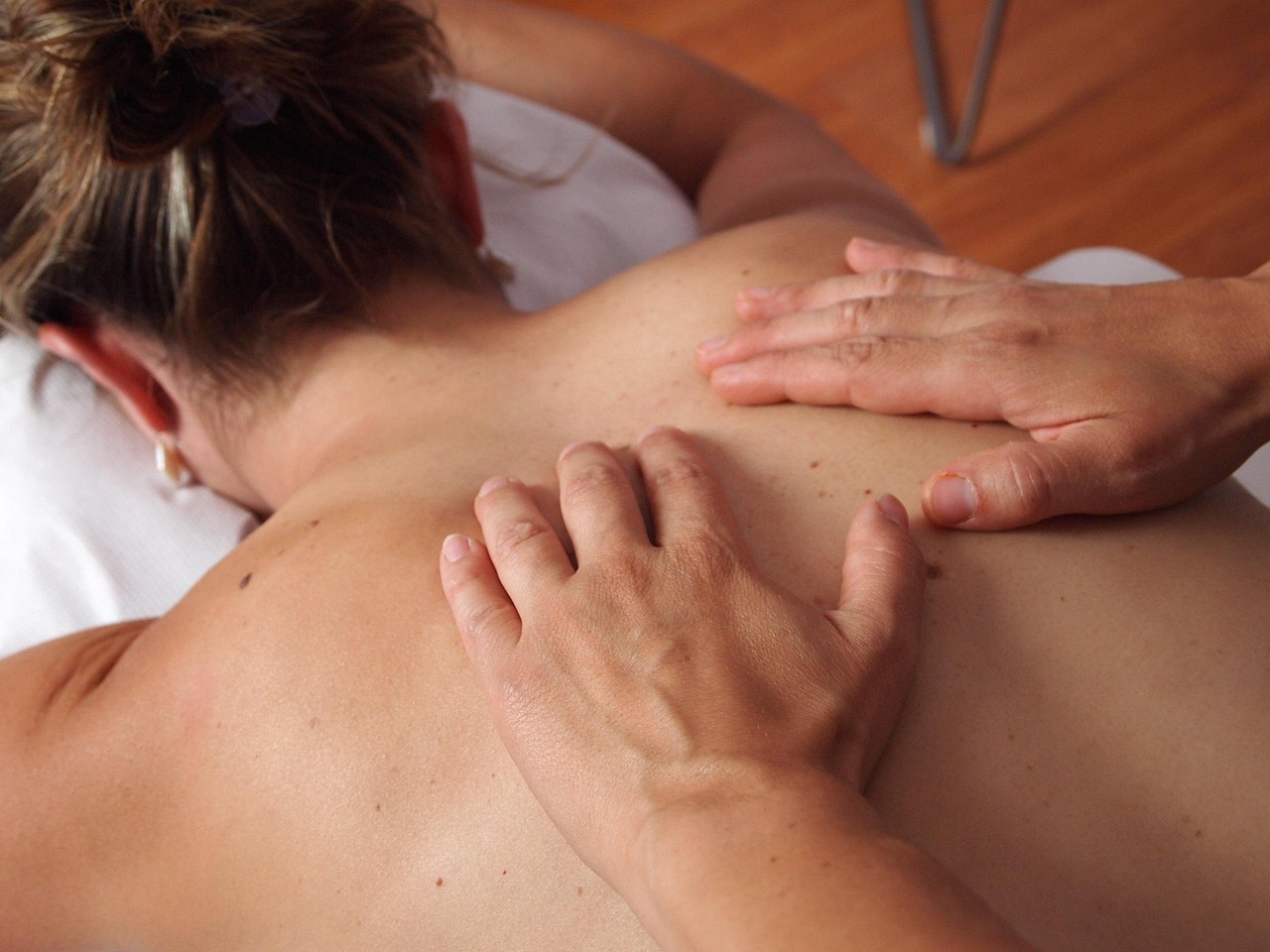
Craniosacral therapy (CST) has gained attention for its potential benefits, especially among individuals suffering from chronic diseases. This alternative therapy aims to enhance the body’s natural healing processes. By applying light touch, practitioners can target the craniosacral system, including the membranes and cerebrospinal fluid surrounding the brain and spinal cord. Chronic disease often brings about physical discomfort and emotional stress. Many patients may find that CST helps alleviate these symptoms, promoting a sense of well-being. Research indicates that patients who incorporate CST alongside traditional treatments report improved quality of life. Regular sessions may lead to enhanced relaxation, decreased anxiety, and improved sleep patterns. These are crucial factors for those managing chronic illnesses. Additionally, CST may relieve musculoskeletal pain commonly affiliated with various chronic conditions. In essence, CST offers a complementary approach to fitness for chronic disease sufferers, promoting recovery while minimizing side effects associated with more invasive treatments. Therefore, individuals dealing with chronic ailments should consider exploring CST as a viable component of their wellness plan.
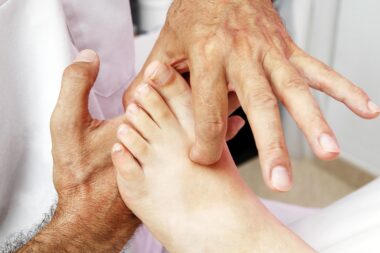
The principles of craniosacral therapy are rooted in the notion that the body possesses inherent self-regulating abilities. This holistic form of treatment views the body as an integrated system, believing that dysfunctions anywhere can affect overall health. Practitioners assess the craniosacral rhythm using their hands to identify imbalances within the body. By facilitating the flow of cerebrospinal fluid, CST aims to improve health, relieve pain, and restore mobility. Patients undergoing CST often report heightened awareness of their bodies, leading to better responses to injury or illness. Furthermore, CST is characterized by its gentle techniques, making it suitable for individuals of all ages, including those with delicate conditions. The safety of this therapy is another significant advantage, especially for patients already burdened by chronic health issues. Adopting CST can also contribute to increased stamina and flexibility, essential factors in maintaining fitness and activity levels among chronic disease sufferers. Overall, the approach fosters a connection between mind and body, emphasizing how emotional health impacts physical fitness. Integrating CST with regular exercise may amplify benefits, leading to a more comprehensive fitness strategy.
Potential Effects on Chronic Disease Symptoms
Chronic diseases come in various forms, including fibromyalgia, arthritis, and autoimmune disorders, each impacting individuals uniquely. These conditions often lead to debilitating symptoms, affecting mobility, mental clarity, and emotional resilience. CST holds the potential to mitigate these symptoms significantly. Evidence suggests that patients receiving CST experience reductions in muscle tension and inflammation, translating into better overall physical comfort. This alleviation can enhance an individual’s ability to engage in fitness activities. Moreover, CST practitioners skillfully address emotional and psychological barriers that may hinder recovery. By creating a nurturing environment, patients can explore and express discomfort that might otherwise remain unacknowledged. This therapeutic process can facilitate emotional release and reduce stress, essential for those navigating chronic health challenges. Some studies indicate that participants in CST treatments report improved communication between their body and mind, fostering a proactive approach to their health. Enhanced awareness equips individuals to make healthier lifestyle choices, ultimately contributing to long-term wellness. As a result, CST serves as a critical resource for chronic disease sufferers aiming to regain control over their health and fitness.
Incorporating craniosacral therapy into daily routines may also enhance motivation towards fitness. Chronic disease often generates feelings of helplessness, leading to a sedentary lifestyle. By alleviating discomfort through CST, patients may find renewed energy and enthusiasm for engaging in physical activities. Regular movement is essential for managing many chronic conditions, contributing to improved cardiovascular health, muscle strength, and emotional regulation. The gentle nature of CST complements exercise routines perfectly. While some may prefer vigorous workout sessions, others benefit from lower-intensity activities, all of which can be integrated with CST to maximize wellness efforts. Furthermore, the therapeutic support of CST creates a safer space for individuals to explore their physical capabilities without fear of exacerbating their conditions. Enhancing fitness through CST can lead to better recovery rates and overall health improvements in chronic disease sufferers. Mindfulness, a component frequently encouraged during CST, allows individuals to connect with their bodies and build mental resilience. This connection is vital when facing the ups and downs associated with chronic illness. Ultimately, CST can empower individuals to reclaim their fitness alongside managing their diseases.
Combining CST with Conventional Treatments
Combining craniosacral therapy with conventional medical treatments has demonstrated promising results for chronic disease management. As awareness of alternative therapies grows, healthcare providers increasingly recognize the importance of an integrated approach. Patients often seek complementary treatments like CST to manage pain and enhance their overall well-being. Collaboration with medical professionals ensures that CST is aligned with prescribed therapies, safeguarding the patient’s health during the treatment process. Many healthcare practitioners now encourage their patients to pursue CST, noting its potential in tackling challenges often encountered with traditional treatments. For instance, patients may struggle with side effects from medications such as fatigue or nausea. CST can offer relief, positively influencing treatment adherence and outcomes. Furthermore, the emotional support derived from CST enhances patients’ resolve to continue with their conventional therapies. Establishing a supportive network of care fosters a more holistic sense of healing, encouraging patients to explore multiple avenues for gaining wellness. By working alongside conventional medicine, CST can serve as a bridge to improved fitness and life quality, especially for those facing chronic health challenges. Patients are often motivated to actively participate in their care when two approaches work harmoniously.
Education plays a crucial role in the acceptance of craniosacral therapy within the broader healthcare framework. By informing healthcare providers and patients about CST’s benefits, misconceptions can be addressed, and acceptance fostered. Workshops, seminars, and informational materials can enhance understanding and establish best practices for integrating CST into treatment plans for chronic disease sufferers. Moreover, greater awareness can lead to research opportunities that further validate the advantages of CST. Rigorous studies can elucidate specific benefits, informing healthcare practices and policies regarding alternative therapies. The integration of CST into chronic disease management may ultimately enhance patient outcomes. Additionally, encouraging patients to communicate openly about their experiences with CST can provide valuable insights into its effectiveness. Personal testimonials often resonate strongly with others facing similar health battles, serving as powerful motivators for exploring CST as an option. This advocacy can create a ripple effect, leading to an increased demand for CST in both private practices and clinical settings. Thus, promoting education around craniosacral therapy not only benefits individual patients but contributes to advancing the broader recognition of holistic health approaches.
Conclusion: A Holistic Avenue to Recovery
In conclusion, the potential for craniosacral therapy to aid in the fitness of chronic disease sufferers is substantial. By addressing both physical and emotional aspects of health, CST complements traditional medical practices. The gentle methods used in CST nurture recovery, provide psychological support, and enhance overall fitness levels. Individuals managing chronic diseases often face numerous hurdles, including pain, fatigue, and emotional stress, all of which can detract from wellness. With CST, patients can experience renewed energy and motivation for engaging in physical activities that promote their health. Additionally, the possibility of reducing pharmaceutical reliance through CST is a significant consideration, highlighting its role in a comprehensive approach to patient care. Chronic disease management requires innovative strategies that recognize the individual as a whole rather than merely as a collection of symptoms. Craniosacral therapy offers such a philosophy, empowering patients to take charge of their health journeys while fostering resilience through mind-body connection. By embracing CST as part of an integrated treatment plan, individuals can experience substantial improvements in their quality of life, ultimately paving the way towards recovery and sustained fitness.
This is a final paragraph with exactly 190 words…