
The Role of Fitness Technology in Post-surgery Rehabilitation
The integration of fitness technology into post-surgery rehabilitation has revolutionized the way patients recover from surgical interventions. These advancements offer personalized data and insights, ensuring that recovery is tailored to the individual’s specific needs. This approach enhances the overall effectiveness of rehabilitation programs. Wearable fitness devices monitor vital signs, physical activity, and other metrics, allowing health care professionals to adjust rehabilitation protocols based on accurate data. Patients using these technologies often experience faster recovery times and improved outcomes. The functionality of fitness wearables also promotes patient engagement in their recovery journey. Empowered by real-time feedback, individuals are motivated to adhere to prescribed rehabilitation exercises, contributing to more successful recuperation. Furthermore, integrating wearables with health care systems can streamline communication between patients and health professionals, fostering collaborative care. This practice results in reduced hospital readmission rates, which is beneficial for both patients and healthcare providers. Future developments in wearable fitness technologies are anticipated to enhance these benefits further, combining artificial intelligence and machine learning to deliver increasingly sophisticated analysis and recommendations for optimal recovery outcomes.
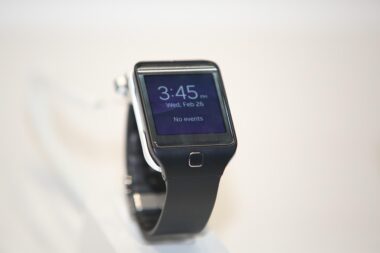
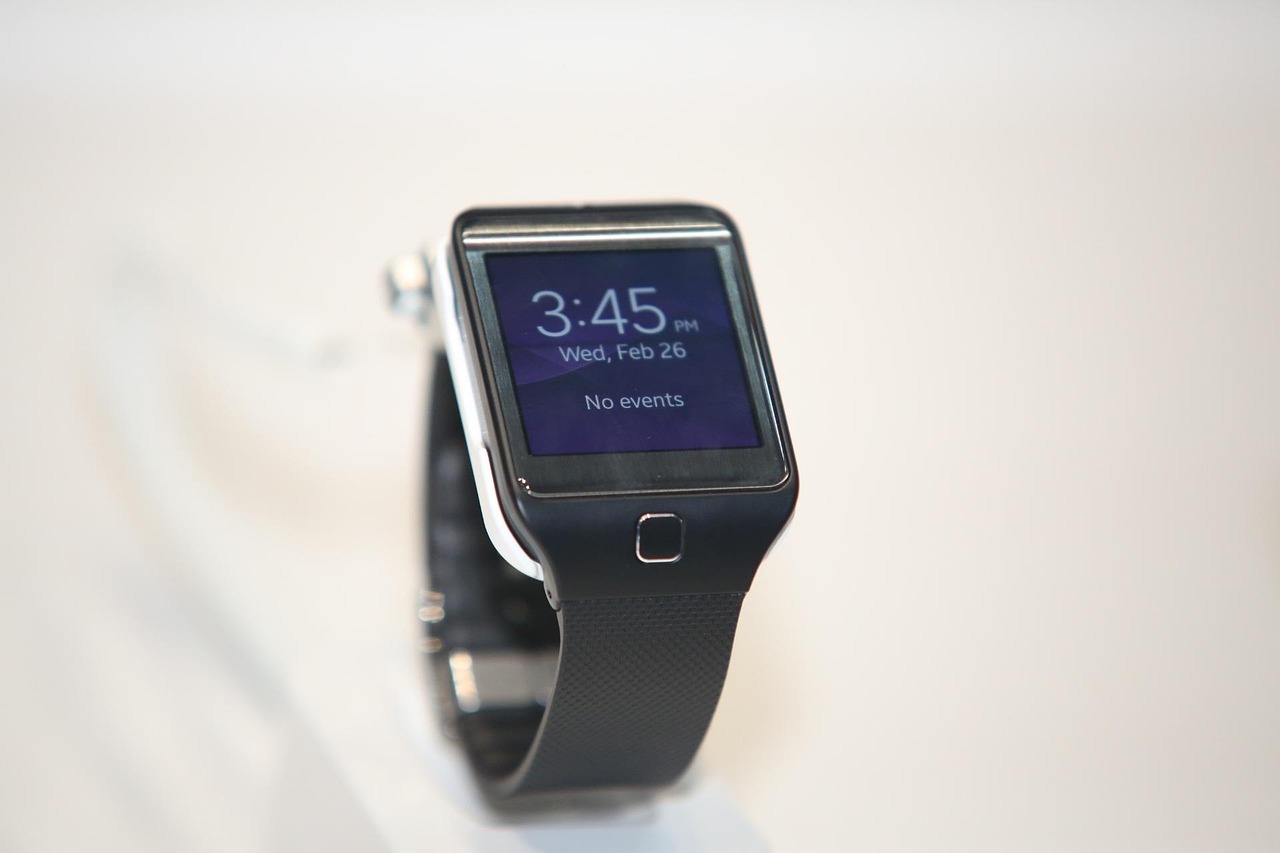
Advancements in wearables extend beyond simple activity tracking. Modern devices integrate features like heart rate variability, sleep quality monitoring, and stress level assessments. Such comprehensive metrics are vital for post-surgery rehabilitation since they reveal how well patients are coping with the recovery process. Monitoring heart rate variability enables healthcare providers to gauge the effectiveness of the rehabilitation program and make necessary adjustments. For instance, recognizing the patient’s fatigue levels can lead to modifications in exercise intensity and frequency. Enhanced data collection fosters proactive health management, ensuring that patients avoid overexertion that could potentially hinder their recovery. Additionally, sleep quality is a crucial factor affecting recovery. Wearables like smartwatches can track sleep patterns, providing insights that can subtly influence surgical recovery protocols. Improved sleep helps in reducing inflammation and accelerating healing, making it an essential metric in rehabilitation. To summarize, the evolution of fitness technology empowers patients, and healthcare professionals alike, offering a more comprehensive approach to post-surgery rehabilitation. By facilitating continuous monitoring and enabling data-driven adjustments, these advancements ultimately lead to more effective treatment outcomes.
The Impact of Data Analytics on Rehabilitation
Data analytics derived from wearable fitness devices enhances the rehabilitation experience for both patients and healthcare providers. Insights drawn from user data help to identify patterns that can lead to improved recovery strategies. For instance, by analyzing historical data, healthcare professionals can forecast recovery trajectories and personalize rehabilitation timelines based on individual progress. This targeted approach ensures that interventions are timely and relevant, adjusting to patient needs in real time. With the aid of data analytics, clinicians can also evaluate the efficacy of specific rehabilitation exercises or protocols, leading to more informed decisions. Additionally, gamification elements embedded within fitness technologies encourage adherence to rehabilitation routines. Patients often respond positively to reward systems that track their progress and celebrate milestones. Incorporating social sharing features can foster a sense of community while motivating individuals to excel in their recovery processes. Notably, the ability to share achievements with family or peers can enhance psychological resilience during demanding recovery. As we move forward, leveraging data analytics in rehabilitation will play an increasingly critical role in enhancing recovery outcomes and experiences.
Integration of fitness wearables and rehabilitation practices also paves the way for remote patient monitoring. Telehealth platforms can incorporate data from wearables to facilitate virtual consultations between patients and healthcare providers. This model allows for routine follow-ups without the need for physical visits, which can be particularly advantageous for those with mobility concerns. The convenience of remote monitoring can improve communication, ensuring that patients maintain consistent contact with their healthcare teams. Moreover, real-time data captured via wearables enables clinicians to track the patient’s progress effectively, making timely interventions if needed. Emerging technologies are also allowing wearables to provide alerts directly to physicians in case of irregular readings, promoting preventive care. As telehealth continues to expand, the integration of fitness technology into rehabilitation creates a seamless experience for patients. This holistic model is likely to become the standard, providing accessible, effective, and personalized rehabilitation care for a diverse range of surgical patients. By eliminating geographical barriers, remote patient monitoring caters to a wider audience, ensuring that everyone can benefit from tailor-made rehabilitation strategies.
Challenges in Implementing Fitness Technology
Despite the significant advantages of integrating fitness technology in rehabilitation, there are notable challenges that healthcare systems face. Data privacy and security concerns rank high among these issues. With increasing amounts of personal health data being collected, safeguarding this information from breaches is paramount. Healthcare systems must ensure compliance with regulations to protect patient privacy, which can be resource-intensive. Furthermore, the usability of fitness technology plays a critical role in successful integration. Patients, particularly older individuals, may struggle with complex devices, leading to incomplete data or inaccuracies in measurement. Training and support initiatives can help bridge this gap; however, they require additional resources. Moreover, the accuracy of wearable devices also presents a challenge. Some devices may provide inconsistent readings that could skew rehabilitation efforts. Therefore, selecting high-quality, validated devices is essential for reliable data capture. Addressing these challenges is critical for ensuring the effective integration of fitness technology in post-surgery rehabilitation. Ultimately, healthcare providers must balance the potential benefits with the necessity for robust privacy protocols and user-friendly solutions to maximize patient outcomes.
Additionally, financial cost concerns can hinder widespread adoption of fitness wearables within rehabilitation. Many patients might not afford advanced wearable technology, potentially limiting their access to personalized rehabilitation plans. Healthcare providers may also face budget constraints in integrating these tools into their practices. Insurance reimbursement policies currently vary, which can lead to uncertainty for both providers and patients about coverage for wearable technology use. Collaborations between device manufacturers and healthcare systems may present opportunities to mitigate costs and enhance accessibility among patients. These partnerships can also lead to innovative solutions, integrating wearables seamlessly into rehabilitation protocols while addressing pricing concerns. Education and advocacy around the benefits of fitness technology may help to evolve reimbursement policies, further positioning wearables as essential tools in patient recovery journeys. Engaging healthcare payers can drive momentum in developing standardized reimbursement rates for wearable fitness technology. As awareness of the efficacy of these devices grows, it is anticipated that more supportive financial frameworks will emerge, promoting improved patient access to rehabilitation technology.
Looking to the Future
The future of fitness technology in post-surgery rehabilitation holds immense potential. Innovations such as artificial intelligence and machine learning are expected to influence rehabilitation practices significantly. These advancements can lead to more sophisticated predictive analytics that continually refine rehabilitation protocols based on patient data. Moreover, integrating virtual reality (VR) may introduce immersive rehabilitation experiences, enhancing patient engagement and motivation throughout the recovery process. VR has already begun to pave the way for re-envisioning how rehabilitation exercises can be performed, offering a fun, engaging alternative to traditional routines. Furthermore, incorporating biofeedback mechanisms into fitness technology can further personalize interventions. These systems provide real-time sensory feedback, allowing patients to adjust their performance during rehabilitation exercises to optimize their outcomes. As technology continues to evolve and blend with healthcare, patient-centered rehabilitation systems will emerge, delivering personalized and highly effective recovery plans. Overall, investing in these technologies is expected to change the landscape of post-surgery rehabilitation, providing better outcomes, improved patient satisfaction, and setting higher standards in recovery practices.
In summary, the integration of fitness technology into post-surgery rehabilitation represents a transformative shift in healthcare practices. The utilization of wearable fitness devices empowers patients and healthcare providers alike, allowing for personalized and data-driven recovery plans. Through continuous monitoring, healthcare professionals can tailor rehabilitation strategies based on individual needs while enhancing patient engagement throughout the process. While challenges exist, the potential benefits significantly outweigh the drawbacks, especially as technology continues to advance. Innovative features and applications of fitness devices are paving the way for revolutionary changes in the rehabilitation landscape. Looking ahead, the potential for bi-directional communication between patients and providers via wearable technologies will further improve rehabilitation success rates. These developments signify a promising future for post-surgical recovery, fostering healthier, happier lives for patients embarking on the journey of rehabilitation. As healthcare systems adapt and embrace these changes, we anticipate an era characterized by personalized treatment approaches, leveraging cutting-edge technologies to achieve optimal recovery outcomes efficiently. Fitness technologies are poised to become an essential component in reshaping the future of rehabilitation in healthcare.