
Top Sources of Fats for Post-Workout Meals
Incorporating fats into your post-workout nutrition is crucial for overall health. Fats contribute to hormone production, help in the absorption of fat-soluble vitamins, and provide necessary energy. Unlike carbs, fats digest slower, sustaining energy levels longer. Healthy fats promote muscle recovery and repair, allowing your body to maximize the benefits of workouts. Choosing the right sources of fat can enhance your diet. When planning meals, consider premium options that can assist recovery while satisfying cravings. Feeling fatigued after a workout can hinder your next session. Healthy fats assist in recovery, primarily by reducing inflammation. Within this article, we will explore different sources of fats suitable for post-workout meals. These options will help balance macronutrients and keep your energy sustained. When combined with proteins and carbs, healthy fats can create well-rounded meals crucial for recovery. Integrating fats into your meals can be as simple as including certain foods that you may enjoy. Let’s get started on understanding better sources of fats that can boost your post-workout nutrition and enhance overall performance.
Avocados: Nutrient-Dense Fats
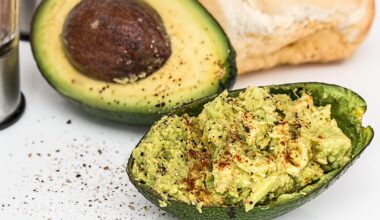
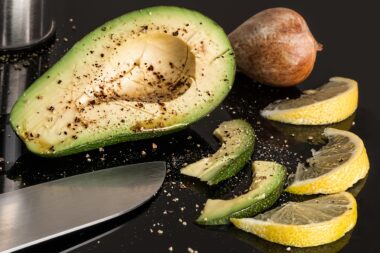
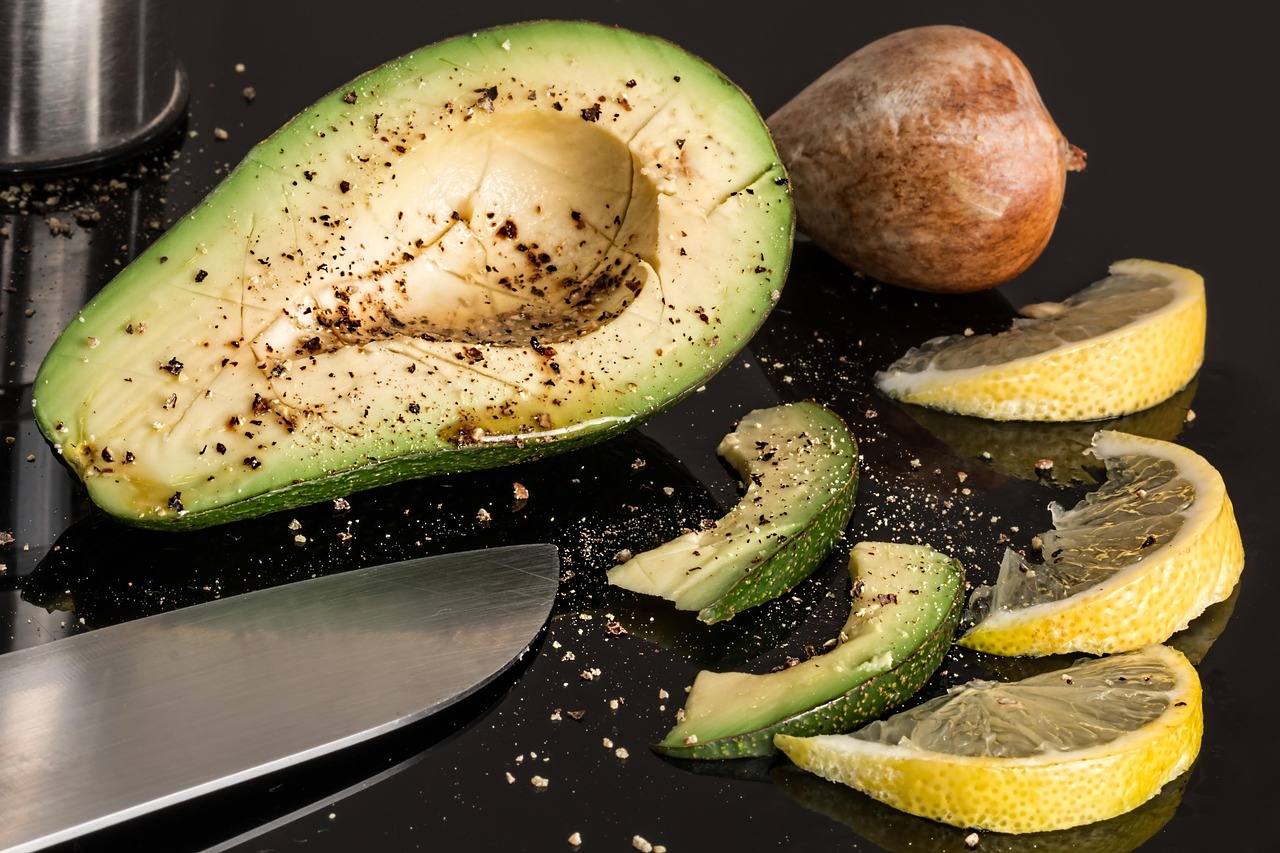
Avocados are a fantastic source of monounsaturated fats beneficial for heart health and energy. This creamy fruit is rich in vitamins, minerals, and fiber, making it an ideal post-workout food choice. Combining avocados with your favorite protein sources creates perfect meals to support recovery. Their healthy fats help reduce inflammation and promote muscle repair. An easy way to integrate avocados into your diet is by adding them to smoothies or spreads. Making guacamole serves as an excellent dip with whole-grain chips post-workout. Additionally, slice them atop salads or blend into dressings. Each serving of avocado is packed with nutrients that support your overall well-being. Not only do they taste good, but they also provide satiety that keeps you content. Since they are high in calories, moderation is key. Pairing avocados with high-quality proteins creates a balance essential for recovery. Whether in a salad or as a topping, avocados can enhance every meal. Making smart choices about healthy fats like avocados sets a strong foundation for your post-workout recovery and nourishment.
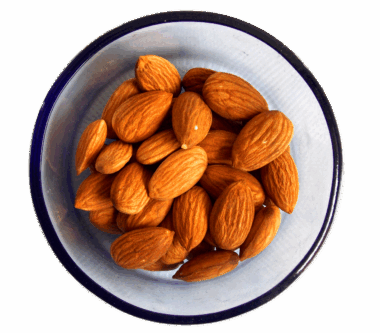
Nuts and seeds also play a significant role in post-workout nutrition. They are packed with healthy fats, fiber, and proteins, which assist in muscle recovery and replenishing energy stores. Almonds, walnuts, flaxseeds, and chia seeds are great choices for quick grabs after a workout. Combining a handful of nuts into your post-workout shake provides an easy energy boost. Similarly, adding seeds to yogurt or oatmeal not only improves nutritional value but also enhances flavor and texture. Due to their nutrient density, a small portion can keep you satiated for longer periods. Nuts and seeds can also be easily included in smoothies, energy bars, or homemade protein balls. One downside is that portion control is essential due to their calorie density. A small handful is usually sufficient as a snack. They provide an array of health benefits, including cardiovascular protection and antioxidant properties. Integrating these sources into your meals will offer various necessary vitamins and minerals crucial for recovery. Choosing the right balance of fats can provide sufficient energy and reduce recovery times significantly.
Nut Butters: A Creamy Delight
Nut butters are delicious and rich in healthy fats, making them perfect for inclusion in post-workout meals. Variants like almond, peanut, and cashew butter add creaminess to smoothies and dishes. They also serve as perfect spread on toast or in oatmeals, improving the meal’s overall profile. Nut butters are not just about taste; they are packed with protein, vitamins, and minerals. When you consume them after a workout, they help with muscle recovery and satiety. Portion control remains important here as well, due to their high-calorie content. Two tablespoons typically provide enough energy without overdoing it. Moreover, mixing them with some fruits or yogurt gives delightful flavors. This combination efficiently balances carbs, fats, and proteins, ideal for recovery. A warm smoothie using nut butter is comforting, particularly after intense exercise sessions. Consider adding nut butter to energy balls or protein bars for a convenient on-the-go snack. Nut butters can transform how you see post-workout meals while providing necessary nutrients essential for promoting muscle growth and restoration.
Coconut products, including oil and milk, are other fabulous sources of fats that support post-workout nutrition. Coconut oil consists of medium-chain triglycerides (MCTs), which provide quick energy. These fats are easily digestible, making them suitable for athletes who may need rapid fuel post-exercise. Using coconut oil in cooking or adding it to smoothies makes for a versatile addition. Coconut milk, on the other hand, adds flavor and creamy texture to shakes, enhancing your protein intake. Recipes using coconut products can create delightful post-workout meals that are nourishing. By incorporating these into your diet, you can boost your overall caloric intake efficiently. Coconut also contains lauric acid, known to have several health benefits, including antimicrobial properties. It’s a natural way to support your immune system as you recover. While it’s beneficial, be mindful of the amounts used due to their high-caloric nature. Overall, coconut products are luxurious sources of healthy fat that are practical and effective. They can elevate post-workout meals, ensuring that you obtain the necessary nutrients while enjoying delicious flavors.
Olive Oil: The Heart-Healthy Choice
Olive oil is a staple in Mediterranean diets, renowned for its heart-health benefits. This oil is primarily composed of monounsaturated fats, which can help reduce bad cholesterol levels. Incorporating olive oil into your post-workout meals can elevate flavor while assisting in recovery. Drizzling it on salads, cooked vegetables, or grains provides essential fatty acids that contribute to overall well-being. Besides, it serves as an excellent base for homemade dressings and marinades, enhancing meal preparation. Olive oil is also rich in antioxidants, which help combat oxidative stress caused by exercise. By choosing high-quality extra virgin olive oil, you ensure maximum health benefits. Use it wisely by considering appropriate serving sizes; about one to two tablespoons typically suffice. This versatile fat can be paired seamlessly with various proteins and carbohydrates post-exercise, keeping meals balanced. Integrating olive oil into your diet can also improve nutrient absorption, aiding in your overall recovery process. When combined with antioxidants from vegetables or fruits, it maximizes health benefits. Thus, olive oil not only enhances meals but is influential in supporting excellent post-workout recovery.
Fatty fish like salmon and mackerel are exceptional sources of essential fats that can enhance post-workout meals significantly. These fish are rich in omega-3 fatty acids, which can reduce inflammation, improve muscle recovery, and support overall heart health. Including fatty fish in your post-workout meals ensures a source of quality protein and healthy fats. Grilling, baking, or broiling these fish creates delicious dinners that promote muscle-building. Additionally, incorporating fish into your meals two to three times a week can provide substantial health benefits. Omega-3s present in these fish contribute to brain health and overall well-being, top priorities for active individuals. Combining fish with a variety of vegetables not only creates flavorful dishes but also increases the nutrient profile. Pairing them with whole grains further balances macronutrients essential for recovery. Consider adding fatty fish to salads, tacos, or as simple baked entries in your meals. These options help in maintaining energy levels while effectively promoting muscle recovery. By making informed choices about incorporating fatty fish, you will maximize your post-workout nutrition for optimal recovery.
In conclusion, understanding the role of fats in post-workout meals is integral to promoting optimal recovery and performance. Incorporating healthy fats ensures a balanced intake of essential nutrients required for muscle repair and energy replenishment. Each source of fat discussed plays a unique role in supporting overall health, making them invaluable parts of post-workout nutrition. From avocados to fatty fish, the variety allows for culinary creativity while fulfilling nutritional goals. By prioritizing these sources, you set yourself up for success in maintaining energy levels and aiding recovery effectively. Next time you plan your post-workout meals, consider the incredible benefits of healthy fats in your diet. Not only do they add taste, but they also contribute to satiety, which helps control blood sugar levels, vital after strenuous exercise. Integrating these options into your nutrition provides sustained energy release beneficial for future workouts. With informed choices, you can harness the power of fats to transform your recovery process and overall nutrition strategy. Manage portions wisely to reap the most benefits. Embrace these sources of fats to luxuriate in improved performance and wellness, ensuring a stronger, healthier body.