
Cool Down Strategies for Older Adults Doing Strength Training
Cooling down after strength training is a crucial part of the workout process, especially for older adults. It aids in recovery and reduces the risk of injury. Effective cool-down strategies can help to stabilize heart rates and facilitate the transition from high-intensity exercise back to rest. Blood circulation also improves when cooling down, helping the body to clear out lactic acid produced during intense activities. A gentle cool-down routine can also enhance flexibility and reduce muscle stiffness, which is beneficial for older individuals. Some effective cooling strategies include dynamic stretching and deep breathing exercises, which can promote relaxation and ease tension. It’s important for older adults to approach cool-downs with care, ensuring they listen to their bodies and adjust their routines accordingly. Furthermore, hydration should not be overlooked during this stage, as drinking water can help to rehydrate muscles. Incorporating these strategies enhances overall wellness and prepares one for future workouts. Therefore, understanding how to cool down properly can greatly benefit older adults engaging in strength training.
Benefits of Cooling Down
Engaging in a proper cool-down routine after strength training offers numerous benefits, particularly for older adults. One major advantage is that a cool-down helps to gradually decrease heart rate and blood pressure, allowing the body to safely transition from a state of exertion to one of rest. This process can prevent feelings of lightheadedness that can occur if one stops exercising suddenly. Additionally, cooling down promotes flexibility, as muscles are accurately worked and relaxed through a series of stretches. This can help prevent injury by maintaining a healthy range of motion in joints. Furthermore, an effective cool-down can help alleviate muscle soreness by encouraging the proper distribution of nutrients back to the muscles. This is vital for recovery, especially for older adults who may require more time to recuperate. Lastly, incorporating a cool-down can enhance the psychological aspect of exercising, giving individuals a sense of accomplishment. This helps reinforce the positive habit of strength training. Therefore, older adults should prioritize cooling down as an essential part of their fitness routine.
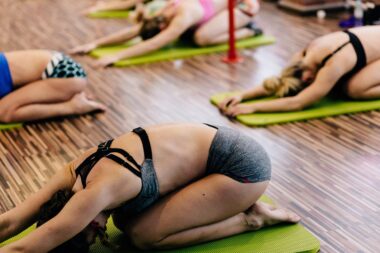
Every older adult engaging in strength training should incorporate specific stretches into their cool-down routine. Stretches focusing on the major muscle groups, such as arms, legs, and back, can effectively promote recovery. Some recommended stretches include the standing quadriceps stretch, hamstring stretch, and shoulder stretch. Holding each stretch for 15 to 30 seconds allows the muscles to relax, enhancing flexibility. Additionally, the seated forward bend can help stretch the lower back and hamstrings. Encouraging proper breathing during these stretches aids in relaxation and maximizes the benefits of each movement. Another beneficial practice is to include gentle yoga poses, such as the child’s pose or cat-cow position, that can help with both flexibility and mental relaxation. This combination of targeted stretches and gentle movements ensures that older individuals do not overstress their muscles post-workout. Listening to the body is essential during this cool-down process, ensuring any discomfort is addressed immediately. Thus, these strategies provide a comprehensive approach to effectively cooling down after strength training exercises for older adults.
Importance of Hydration
Hydration is a crucial aspect often overlooked during the cool-down process after strength training. When engaging in physical activity, the body loses fluids through sweat, which can lead to dehydration if not replenished promptly. Older adults are particularly at risk, as their thirst sensation may be diminished, leading to inadequate fluid intake. Drinking water after exercise supports recovery by transporting vital nutrients to muscles, thereby aiding in the restoration of muscle function. Moreover, staying well-hydrated helps to maintain optimal joint lubrication, reducing the risk of injury. Older individuals should aim to drink water not only immediately post-exercise but throughout the entire day. Regular sips of water can assist in preventing dehydration and promoting better overall health. For effective hydration, it’s recommended to consume at least 8 ounces of water after strenuous workouts, or more if sweating has been excessive. Additionally, electrolyte-rich drinks may be beneficial in replacing lost salts following intense strength training sessions. Being mindful of hydration can significantly enhance the results of workouts and improve recovery times.
Breathing exercises play an essential role in cooling down after strength training for older adults. Proper breathing techniques can promote relaxation and facilitate the body’s recovery process. An effective method is deep diaphragmatic breathing, which encourages full oxygen exchange and helps calm the nervous system. Older adults can practice this by inhaling deeply through the nose, allowing the abdomen to rise, then exhaling slowly through the mouth to release tension. Another beneficial breathing exercise includes the 4-7-8 technique, where individuals inhale for four seconds, hold their breath for seven seconds, and exhale for eight seconds. This process not only relieves stress but also lowers heart rate effectively. Engaging in conscious breathing helps individuals become more mindful about their body’s needs and can enhance overall well-being. Incorporating these breathing techniques as part of the cool-down routine can significantly improve mental clarity and promote relaxation. This is vital in helping older adults recover from their strength training sessions. By concentrating on the breath, individuals can connect mind and body, leading to improved exercise outcomes.
Cooling Down with Mindfulness
Incorporating mindfulness into the cool-down routine can greatly enhance recovery for older adults after strength training. Mindfulness promotes awareness of the body and its sensations, allowing individuals to tune into their physical limits and needs. By being present, older adults can more effectively acknowledge any areas of tension or discomfort that may require focus during stretching. One strategy is to engage in guided imagery while cooling down, visualizing peaceful scenes and allowing the mind to relax. This not only reduces stress but also aids in recovery by lowering cortisol levels in the body. Practicing mindfulness during cool-downs can also improve emotional well-being, as it encourages positive thinking and self-acceptance. Older adults can also incorporate meditation techniques as they cool down, allowing them to reflect on their workout and set positive intentions for future sessions. Additionally, taking a few moments to simply breathe and appreciate the body’s capabilities fosters gratitude. By combining physical cooling techniques with mindfulness practices, individuals can cultivate a holistic approach to strength training recovery.
Finally, older adults should consider the content and structure of their cool-down sessions after strength training. Creating a post-workout routine can help make cooling down more effective and enjoyable. This can include scheduling specific time blocks dedicated to cooling down, engaging in guided routines, or even practicing with peers. Consistency in the routine fosters familiarity and comfort, making the entire experience more rewarding. Additionally, taking the time for post-workout reflection can help individuals assess their performance, track their progress, and set future goals. It can be valuable to keep a fitness journal where older adults document their experiences and feelings after each session. This can further enhance mindfulness and commitment to strength training. Moreover, joining a community group or class focused on older adult fitness can promote accountability and motivation. Collaborating with others often makes the entire process more enjoyable and less isolating. Therefore, the combination of a structured approach, reflective practices, and supportive environments will maximize the benefits derived from cooling down after strength training.
Conclusion
In conclusion, adopting effective cool-down strategies is essential for older adults engaging in strength training. Proper cool-down routines help mitigate risks associated with abrupt cessation of physical activity while aiding recovery, flexibility, and hydration. Incorporating various elements such as stretching, breathing exercises, and mindfulness will enhance the overall cooling down experience. Older individuals should also remain mindful of their hydration needs, ensuring optimal recovery after their workouts. Creating a structured routine and setting aside dedicated time for cooling down can foster positive habits around strength training. Additionally, engaging in supportive communities can further bolster motivation and commitment to fitness. Every older adult has unique needs, so it’s important to personalize cool-down routines based on individual physical capabilities. By embracing these strategies, older adults can look forward to enhanced wellbeing, improved strength training outcomes, and a more enjoyable fitness journey.