
Using Technology to Monitor Senior Heart Health During Exercise
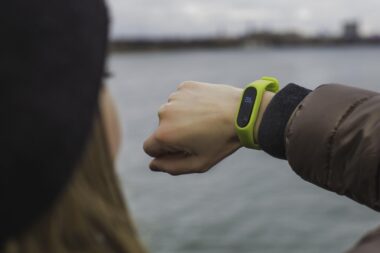
As the aging population increasingly participates in fitness activities, technology plays a crucial role in monitoring heart health. Older adults often face various health challenges that require extra attention during exercise. Wearable devices such as fitness trackers monitor vital signs, providing real-time feedback on heart rate. Accurate tracking ensures seniors can engage in safe physical activities, reducing the risk of heart incidents. These devices typically feature heart rate monitors with alerts that notify users if their heart rate exceeds safe limits, allowing immediate action. Moreover, modern apps can provide tailored fitness programs designed specifically for seniors, promoting cardiovascular health through safe exercises. Technology enables seniors to access important health data, which can be shared with healthcare providers for better management. Furthermore, some wearables include fall detection features that enhance safety during workouts, ensuring immediate help if necessary. In addition to physical metrics, some technologies also focus on mental well-being, providing guided workouts that include mindfulness components. Overall, this integration of technology in fitness represents a significant advancement in supporting seniors and their unique health needs during exercise, fundamentally changing fitness engagement among older individuals.
Research indicates that regular exercise positively impacts heart health in seniors. However, understanding how to exercise safely remains crucial. Older individuals may have varying levels of fitness, and technology can facilitate personalized exercise regimens based on individual health profiles. By analyzing data collected from wearable devices, seniors can have a clearer picture of their physical condition. Features like heart rate variability can indicate not only physical exertion but also provide insights into recovery needs. Furthermore, many current fitness devices sync with smartphones, allowing seniors to access educational resources about their heart health. These resources may include instructional videos on proper workout techniques or guidelines for heart-healthy diets. Additionally, many applications offer community support, connecting seniors with peers who share similar fitness goals, fostering accountability. This social aspect is beneficial as it may motivate seniors to stay active and engaged. Technology, when combined with community support, creates a comprehensive fitness approach. Ongoing advancements are enabling better integration of health metrics tracking into daily life, ensuring that seniors are not only supported during exercise but also in their overall health strategy. This holistic approach allows for more sustainable fitness habits among aging individuals.
Benefits of Using Wearable Fitness Devices
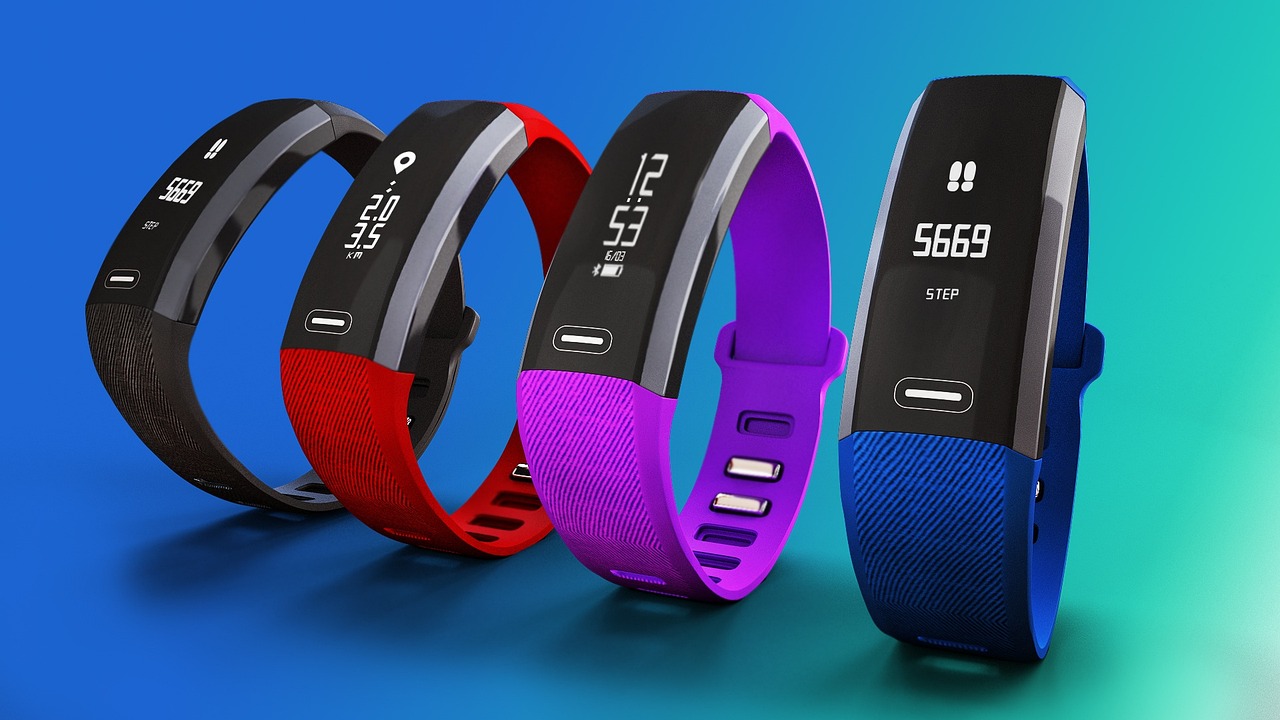
Wearable fitness devices offer numerous advantages for older adults aiming to improve cardiovascular health. One notable benefit is the continuous monitoring capability these devices provide. Traditional methods of heart monitoring often require periodic checks, causing lapses in data-gathering and often leading to missed insights. In contrast, wearables track heart rates 24/7, giving a comprehensive view of cardiovascular function during physical activity and rest. They also often incorporate advanced features like GPS tracking, which can be particularly useful for seniors who enjoy outdoor activities. By tracking the nuances of heart rate during various exercises, users can adjust their workouts to optimize health. Many wearable devices facilitate reminders to encourage physical activity, combating the sedentary lifestyles common amongst older populations. This is crucial for maintaining heart health and preventing related diseases. Furthermore, wearables can send alerts, notifying users about irregular heart rates, allowing for timely medical consultation if necessary. Importantly, these devices can boost confidence among seniors by providing a sense of control over their health decisions. Overall, wearables serve as indispensable tools for effectively managing heart health through exercise while promoting an active lifestyle among older adults.
The combination of technology and health education is vital for improving senior health outcomes. Many wearable fitness devices come equipped with instructional features that guide seniors through safe exercise modes. This can prevent injuries and promote healthy heart rates. Educational apps often accompany these devices, providing tailored workouts based on individual capability and health status. For instance, programs can adapt exercises based on user progress tracked through these devices. This adaptability ensures that older adults are neither pushed beyond their limits nor left unchallenged, promoting balanced fitness. Additionally, community features within these apps provide forums or groups where users can share their fitness journeys. This social interaction might bolster mental health, critical for seniors’ well-being. Moreover, these features encourage continuous engagement with fitness plans, which is essential for long-term adherence. Regular feedback from these platforms can facilitate motivation, showing users how far they’ve come on their journey. Furthermore, understanding that fellow seniors share similar challenges can foster increased participation and motivation in fitness among these individuals. Ultimately, the intersection of education and technology can play an essential role in ensuring that seniors remain active and healthy.
The Role of Telehealth in Senior Fitness
Telehealth services emerge as a significant aid in promoting senior fitness through remote consultations with healthcare professionals. A growing trend allows seniors to meet virtually with fitness experts or doctors specializing in heart health. This enhances accessibility, especially for those with mobility or transportation issues. By leveraging telehealth, seniors can receive personalized advice on managing their fitness regimens effectively. Healthcare providers can monitor the data collected from wearables and adjust exercise plans accordingly, ensuring safety and promoting optimal heart function amid existing health conditions. Virtual consultations can address any concerns regarding physical activities, ensuring seniors feel confident in pursuing exercise. Moreover, wellness checks conducted via telehealth simplify communication between patients and providers, allowing for adjustments to medications that affect fitness levels. Also, telehealth provides a platform for ongoing education on nutrition and exercise strategies for heart health, an essential component of a fitness regimen. By employing telehealth, seniors can remain proactive about their cardiovascular health and fitness, reducing potential risks associated with deteriorating conditions. This increased engagement positively influences seniors’ attitudes toward fitness, aiming for improved heart health and quality of life through convenient technology-supported solutions.
Community connections can significantly enhance motivation among seniors pursuing fitness goals. Fitness technology often integrates social engagement aspects, allowing seniors to share their achievements, challenges, and experiences. By conducting workouts in a virtual community, seniors can feel less isolated and more supported, which is crucial for maintaining motivation during fitness journeys. These community features can encourage seniors to set and achieve realistic fitness goals while also fostering friendly competition. Sharing accomplishments within a community not only reinforces commitment but can also inspire members to push each other toward greater participation and newfound limits. Additionally, many apps allow for group challenges, which can inspire seniors to stay consistent with fitness activity, promoting heart health. Furthermore, virtual buddy systems can help seniors connect with peers, fostering accountability. This setup is beneficial as it encourages regular exercise routines, ultimately enhancing heart health. Lastly, the sentiment of belonging can be empowering, providing seniors with the social aspect often missed when undertaking fitness regimens alone. Community-driven engagement triggered through technology supports better fitness adherence, leading to improved overall health outcomes for the aging population.
Final Thoughts on Technology and Senior Heart Health
In conclusion, technology has demonstrated a significant impact on the fitness of seniors, particularly concerning heart health. By facilitating continuous monitoring and offering educational resources, technology empowers older adults to embrace fitness. Wearable devices provide essential insights into their cardiovascular systems, allowing for informed exercise choices. Telehealth complements this trend by enhancing the accessibility of expert advice and guidance, making heart-healthy practices easier to adopt while maintaining safety. Additionally, community features enrich the overall experience, connecting seniors and fostering a supportive environment where they can thrive. The integration of these components creates a holistic approach contributing positively to seniors’ health outcomes. As technology evolves, more sophisticated options will likely emerge, further improving health management in older populations. This is especially important as more seniors take active roles in their fitness journeys, aiming to maintain independence and quality of life. Continuous education coupled with innovative technological solutions empowers seniors, allowing them to manage their heart health effectively. Therefore, embracing technology in fitness represents a progressive step forward. It helps bridge gaps in healthcare and fitness understanding, reshaping the landscape of senior health and wellness in the modern era.
For those exploring these technological solutions, numerous options are available in modern apps and fitness devices. The key is finding a combination that suits individual preferences and needs while effectively addressing heart health. Seniors and their families must stay informed about these advancements to optimize their fitness journey. Establishing conversations around technology’s role in fitness can also encourage more collaboration between health professionals and seniors, enhancing the overall understanding of heart health needs. As more focus is directed toward fitness, it is clear that technological integration can facilitate safer, smarter exercising for older adults. Acknowledging these advancements will support a healthier aging process, ultimately benefiting individuals and communities. It’s essential for seniors to engage with their healthcare providers openly to discuss fitness goals and concerns related to heart health. Understanding each device’s functionalities through education can help in making informed decisions. Moreover, not being afraid to ask questions enhances clarity around these tools. Thus, seniors can confidently approach their fitness journeys, utilizing technology to achieve their health aspirations. Ultimately, embracing these innovations can lead to a greater quality of life, ensuring our aging population continues to thrive through proper heart health management.