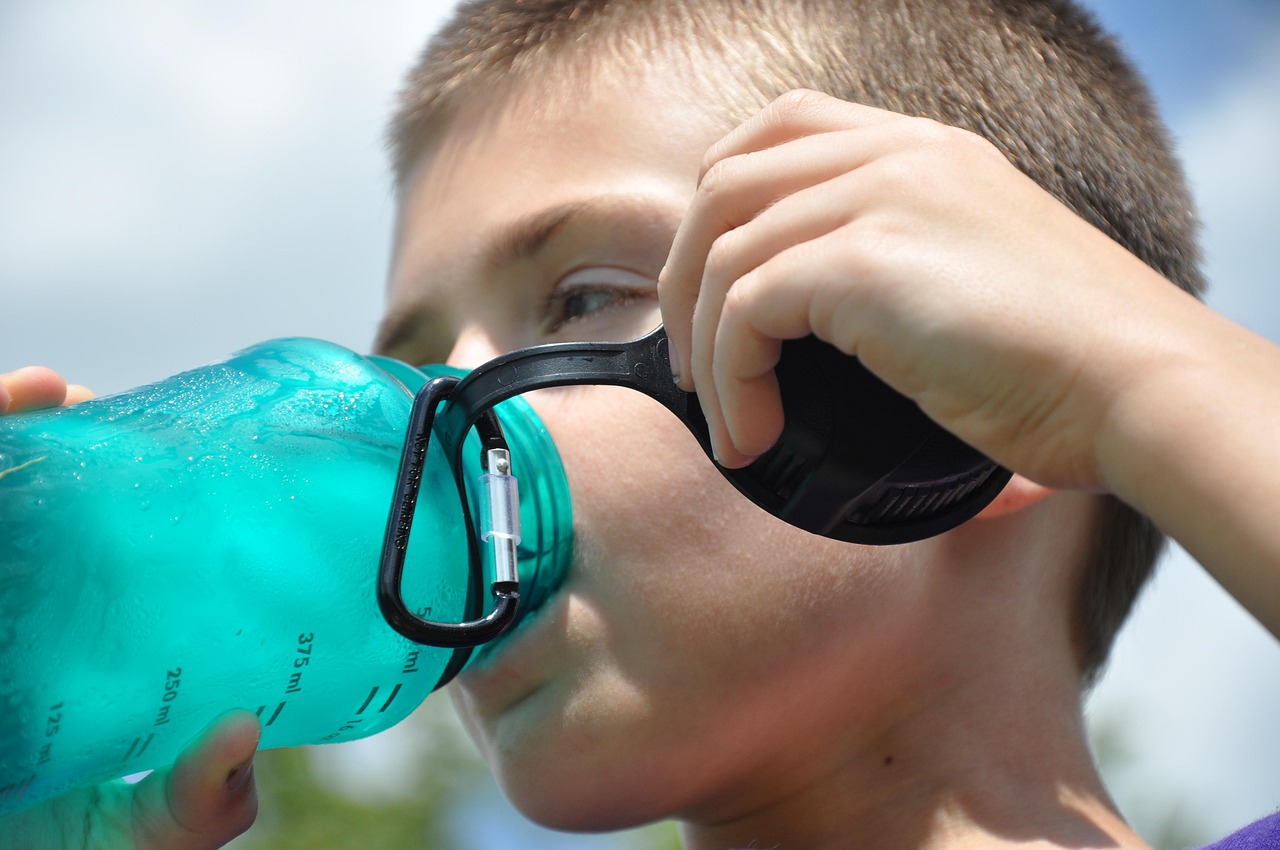

Hydration Guidelines Before Body Composition Testing
Hydration is a crucial aspect when conducting body composition testing, as it directly influences the accuracy of results. Testing methods like bioelectrical impedance analysis (BIA) or dual-energy X-ray absorptiometry (DEXA) are sensitive to hydration levels. Dehydration can lead to underestimating body fat, while overhydration may result in overestimating it. To ensure precise measurements, individuals should adhere to specific hydration guidelines prior to testing. First, aim to drink adequate water throughout the day leading up to the assessment, generally around two to three liters. Focus on quality fluids such as water, electrolyte drinks, or infused waters for optimal hydration. Avoid sugary beverages or excessive caffeine, which may dehydrate the body. Second, consider timing hydration appropriately; drinking too much fluid right before testing can impair accuracy. It’s also wise to limit diuretics, like caffeine, 24 hours prior to testing. Pay attention to hormonal variations that may influence hydration status. Lastly, on the day of the examination, consult professionals for specific hydration details, as requirements can differ based on method, personal factors, and goals.
Body composition analysis often requires baseline measurements that provide insight into hydration status prior to testing. It’s essential to recognize how muscle and fat mass can be impacted by hydration levels. Muscles contain a higher percentage of water compared to fat, making hydration levels a key factor in accurate readings. When preparing for testing, remember that normalizing hydration can take hours. For this reason, drinking a consistent amount of water over several days often yields the best outcomes. As a guideline, prior to the testing day, monitor urine color for hydration status. Clear or light yellow indicates adequate hydration, while darker colors suggest the need for increased fluid intake. If feasible, log daily water intake to maintain accountability. In addition, keep dietary choices balanced while planning; incorporating hydrating fruits and vegetables can aid in overall hydration. Role models, trainers, and healthcare providers can offer personalized advice and adjustments ahead of testing. Ensuring proper hydration prior to body composition measurement not only improves reliability but also enhances overall performance during physical assessments.
Strategies for Optimal Hydration
Implementing effective hydration strategies is vital for anyone preparing for body composition analysis. Educating oneself about daily water intake goals is the first step to achieving optimal hydration status. The common recommendation is about 8 to 10 cups of water daily, but individualized needs may vary based on factors like body size, activity level, and climate. Installing reminders or using hydration tracking apps can be beneficial to help achieve these targets and incorporate regular water breaks throughout activities. In addition to water, consider incorporating soups or broths, which also contribute to fluid intake. When doing strenuous exercise, increase water consumption pre-and post-session to replenish lost fluids and optimize recovery. Another strategy involves balancing electrolytes through natural sources like coconut water, as it provides additional minerals lost during sweating. Few people realize the impact of food on hydration; thus, including snacks like watermelon, cucumber, or celery could promote hydration. Whenever possible, aim to consume water before feeling thirsty to prevent dehydration, which can impair physical performance and cognitive function.
The relationship between hydration and body composition is multifaceted and worth exploring further. Understanding the importance of consuming fluids consistently illustrates how chronic dehydration negatively affects metabolism and muscle growth. Low body water percentage can also disrupt the body’s homeostasis, resulting in complications during testing. It’s essential to emphasize that hydration needs may differ among individuals based on physical exertion, health circumstances, and dietary patterns. Those engaging in regular high-intensity workouts may require additional intake to offset water losses. Individuals with conditions like diabetes or those following specific diets, particularly ketogenic diets, should consult a healthcare professional to determine appropriate hydration levels to support their unique needs. Considering all factors influencing hydration is necessary for improving test accuracy. Following comprehensive guidelines for hydration can significantly impact results; research indicates a balance between body fat and water percentage is crucial for valid assessments. By emphasizing proper fluid intake and encouraging individuals to stay informed, we can foster a healthier approach to body composition testing.
Monitoring Hydration Status
Monitoring hydration status is essential for precise body composition analyses, as it helps determine appropriate adjustments to fluid intake. Various methods to assess hydration levels can include qualitative and quantitative approaches. One common method involves observing urine color; it can serve as a practical, real-time assessment tool. Furthermore, checking body weight variances before and after exercises could also provide insights into water loss. More advanced measures may also be employed, like bioelectrical impedance analysis, which distinguishes between fat-free and fat mass compositions. The dual-energy X-ray absorptiometry (DEXA) scan may also evaluate fluid distribution and its variations within the body. Conducting standardized pre-testing routines will help ensure consistency and reliability in the results. Individuals should always compare body composition results to previous findings in a similar hydration state. This comparison minimizes inaccuracies in future assessments, leading to better tracking of progress over time. Additionally, evaluating individual hydration needs based on conditions like climate, age, and lifestyle can help maintain optimal body fluid levels leading up to testing.
Knowledge about the negative effects of dehydration will inform individuals why following hydration guidelines before testing is critical. Dehydration can reduce physical performance, impair critical thinking, and significantly hinder the accuracy of body composition tests. During the testing, any discrepancies resulting from improper hydration levels could lead to misleading decisions about diet or exercise programs. Furthermore, misinterpretations of hydration status may also contribute to weight stigmatization, ultimately perpetuating harmful body image attitudes. Consulting professionals before engaging in body composition assessments can help individuals navigate these complexities. Dietitians, certified personal trainers, or medical professionals provide personalized recommendations to ensure that hydration aligns with individual goals. Utilizing technology, such as hydration apps or wearables, can help promote consistency in hydration practices. A proactive approach to hydration can consequently enhance motivation and adherence to recommended dietary changes. By raising awareness about the importance of hydration status, individuals can not only unlock the full potential of their body composition testing but also enhance overall well-being and performance in their daily routines.
The Role of Education in Hydration
Education plays a vital role in promoting awareness of proper hydration before body composition testing. Various resources, such as workshops, seminars, and online courses, can help provide individuals with knowledge to make informed choices. Services offered by health professionals predicated on evidence-based research can also help clarify the intricacies surrounding hydration. This can lead to the effective implementation of hydration protocols that cater to personal needs. Furthermore, community organizations can foster a culture that emphasizes the importance of water intake for all ages, showcasing its vital role in health. Parents and guardians should engage children in understanding hydration’s impact on athletic performance and overall health. This knowledge may encourage healthy habits and lead to lifelong benefits in maintaining optimal hydration. Merchants can also collaborate with nutritionists and trainers to offer resources promoting proper hydration protocols. Expanding the conversation on hydration within fitness centers, schools, and workplaces may pave the way for healthier communities overall. By working together to strengthen the dialogue around hydration, everyone can experience the advantages of enhanced body composition testing.
In conclusion, hydration should be recognized as an influential factor in achieving accurate body composition assessments. The integration of proper hydration strategies significantly contributes to the validity of tests utilizing various methods, such as BIA and DEXA scans. As outlined in this article, individuals should aim to enhance hydration through consistent fluid intake and by tracking personal hydration levels. They should also communicate with health professionals to receive personalized recommendations that fit their unique needs. Alongside monitoring daily fluid consumption, understanding the unique interaction between diet and hydration will pave the way for improved results. Tracking changes in hydration levels through education and ongoing awareness will undoubtedly ensure future success in body composition testing. Proper hydration enhances not only accuracy but also overall health and performance in everyday life activities, creating a multi-faceted approach to wellness. By prioritizing hydration, individuals embark on a journey toward better physical and mental vitality. Hydrating adequately before testing elevates the significance of these assessments and the strategies employed throughout one’s fitness journey.