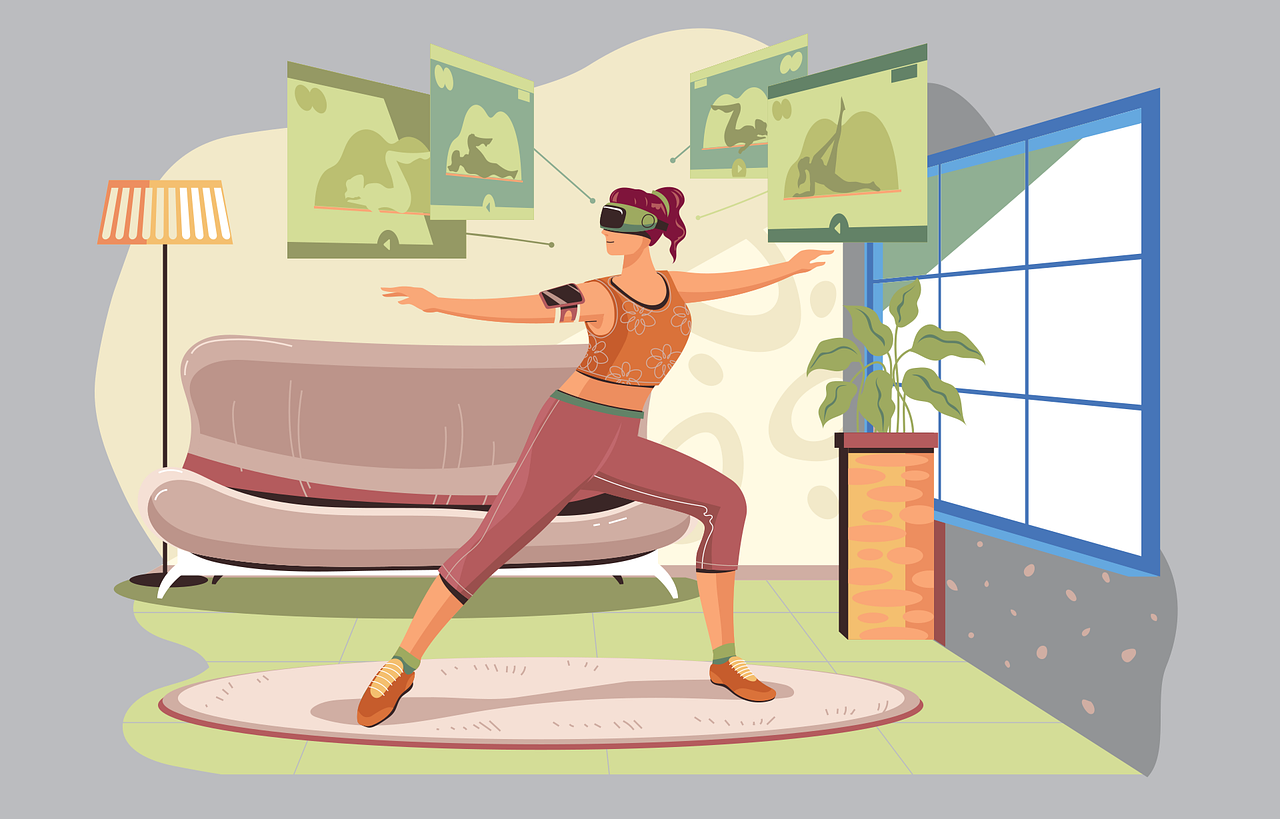

Motivational Features in Virtual Reality Fitness Software
Virtual reality fitness apps revolutionize the way individuals approach their workout routines. They infuse a sense of adventure and excitement that traditional fitness apps often lack. By immersing users in different environments, these VR apps help to lower perceived effort during workouts. Users can participate in exhilarating activities, from surfing to mountain climbing, enabling them to forget they are exercising. This distraction is particularly beneficial for beginners who may find workouts daunting. Each session can be a thrilling new experience, making the path to fitness enjoyable instead of a chore. Additionally, users report increased motivation levels when engaging with these interactive environments, transforming their mindset towards fitness. Various gamification elements enhance this experience by introducing objectives and achievements. As users complete challenges or reach milestones, they receive immediate positive feedback, reinforcing their dedication. This feedback loop encourages adherence to fitness routines and contributes to overall goal attainment. Not only are physical results achieved, but users also experience emotional and cognitive benefits, leading to higher overall satisfaction with their fitness journey. The blend of technology and motivation could potentially redefine fitness goals, making them more achievable for everyone.
One of the key motivational features of virtual reality fitness apps includes social interaction. In today’s digital age, working out alone can often feel isolating. VR fitness platforms facilitate connection with other users worldwide through features like multiplayer games and live classes. This fosters a sense of community, driving users to engage with peers and build supportive relationships. Users often find inspiration by sharing experiences and progress with friends or trainers, which creates a positive reinforcement environment. Also, competitions can be established among users, where participating individuals can challenge each other, motivating them to push their limits in a fun and engaging way. Leaderboards can promote healthy competition, encouraging individuals to strive for personal bests while connecting with the community. Furthermore, combining fitness with social elements ensures users remain consistent and committed to their fitness journey. Maintaining an active lifestyle can become easier when individuals are accountable to their peers. Thus, social interaction emerges as a vital motivational aspect of VR fitness apps, enhancing the overall fitness experience and leading to higher retention rates and improved workout consistency.
Gamification elements play a crucial role in motivating users of virtual reality fitness apps. By introducing game-like features such as point systems, rewards, and levels, these apps make exercising more engaging and enjoyable. Users can earn points for completing workouts, achieving personal bests, or participating in challenges, which can then be redeemed for rewards, such as avatars or equipment upgrades. This motivates users similarly to how they would strive to level up in video games. Moreover, incorporating challenges that users can overcome adds to their sense of accomplishment. VR fitness apps often provide daily or weekly tasks that incentivize users to stay consistent with their workouts. Feedback through notifications or pop-ups after completing challenges gives immediate gratification, reinforcing the desired behavior. Additionally, users can track their progress through colored badges or certificates, which serve as tangible proof of their achievements. This progress visualization evokes a sense of pride, encouraging further participation. Ultimately, gamification not only enriches the workout experience but also motivates users to integrate fitness into their daily routines by making exercise feel less like a mandatory task and more like a fun adventure.
Personalization is another significant motivational feature in virtual reality fitness apps. Tailoring workout routines to individual preferences ensures users remain engaged and satisfied with their fitness journey. These apps typically collect user data concerning fitness levels, goals, and preferences to develop customized programs. As a result, users can choose workouts based on their fitness levels, interests, or goals, making it easier for them to stay committed. Additionally, users can adapt their schedules to incorporate workouts that suit their availability, allowing for greater flexibility. This adaptability is crucial, as it accommodates varying lifestyles and helps to mitigate the frustration many face when adhering to a traditional fitness program. Furthermore, personalization in VR fitness apps can extend to visual and auditory settings, creating environments that resonate with the users’ preferences. For example, some users may prefer a calm beach setting for yoga, while others may enjoy energetic backgrounds for high-intensity interval training. Customizing environments enhances motivation, as it creates a more inviting atmosphere where users feel comfortable and inspired, thereby solidifying their commitment to achieving fitness goals.
Another essential motivational feature found in virtual reality fitness apps is the ability to set and track goals. When users articulate specific, measurable fitness objectives, they are more likely to stay focused and motivated throughout their fitness journeys. Many VR fitness platforms encourage goal setting by allowing users to establish achievable targets, be it weight loss, muscle gain, or endurance improvement. These apps often include features that track progress in real time, enabling users to visualize their advancements towards their goals. Additionally, combining progress tracking with motivational notifications fosters a continuous reminder of users’ commitments. Such encouragement can help users push through moments of self-doubt or fatigue. Importantly, some fitness apps incorporate SMART (Specific, Measurable, Achievable, Relevant, Time-bound) criteria in the goal-setting process, helping users develop realistic expectations while avoiding burnout. Users who experience success in reaching smaller milestones are more likely to pursue larger, long-term goals. This structured approach towards personal fitness culminates in a feeling of accomplishment, fueling further motivation while enhancing overall enjoyment of the fitness experience.
Real-time Feedback and Adjustments
Real-time feedback in virtual reality fitness apps offers a unique advantage that can significantly boost users’ motivation. Unlike traditional workouts where results may only be visible after weeks, VR apps provide instantaneous metrics about performance. This immediate feedback allows users to assess their efforts actively and make quick adjustments, ensuring workouts remain effective and aligned with their goals. For example, during a virtual cycling session, users may receive real-time updates on their heart rates and calories burned, prompting them to adjust their intensity or pace accordingly. Such data enables users to engage in more tailored fitness experiences, often leading to improved results. Additionally, this real-time interaction fosters a sense of progress as users witness the fruits of their labor while still engaged in the workout. Further, VR fitness apps often incorporate voice commands or haptic feedback. This ensures users can focus on their form without distraction, enhancing their overall experience. Overall, real-time feedback serves to keep users motivated. As they see their improvement immediately, this continuous reinforcement motivates them to continue their physical activities regularly, making exercise a more fulfilling endeavor.
Lastly, virtual reality fitness apps often harness the power of immersive environments to further enhance motivation. By placing users in diverse settings—be it a tranquil forest, bustling city, or breathtaking mountain vista—these apps create an engaging atmosphere that can transport users beyond their living rooms. This immersive experience not only captures users’ attention but also promotes emotional well-being. The novelty of different locations can make workouts significantly more enjoyable, reducing the psychological barriers often associated with exercise. Additionally, immersive environments can stimulate the senses, creating an enjoyable experience that users actively look forward to. Some apps even offer a narrative-driven experience, where users are the heroes of an adventure, promoting a deeper connection to the workout. This storyline encourages users to complete challenges within the virtual space, motivating them to push through difficult moments. Consequently, the combination of immersive visuals, sounds, and storytelling can effectively create a captivating workout environment that keeps users returning day after day. In conclusion, utilizing these features fosters greater motivation, driving a sustainable fitness journey for more users worldwide.