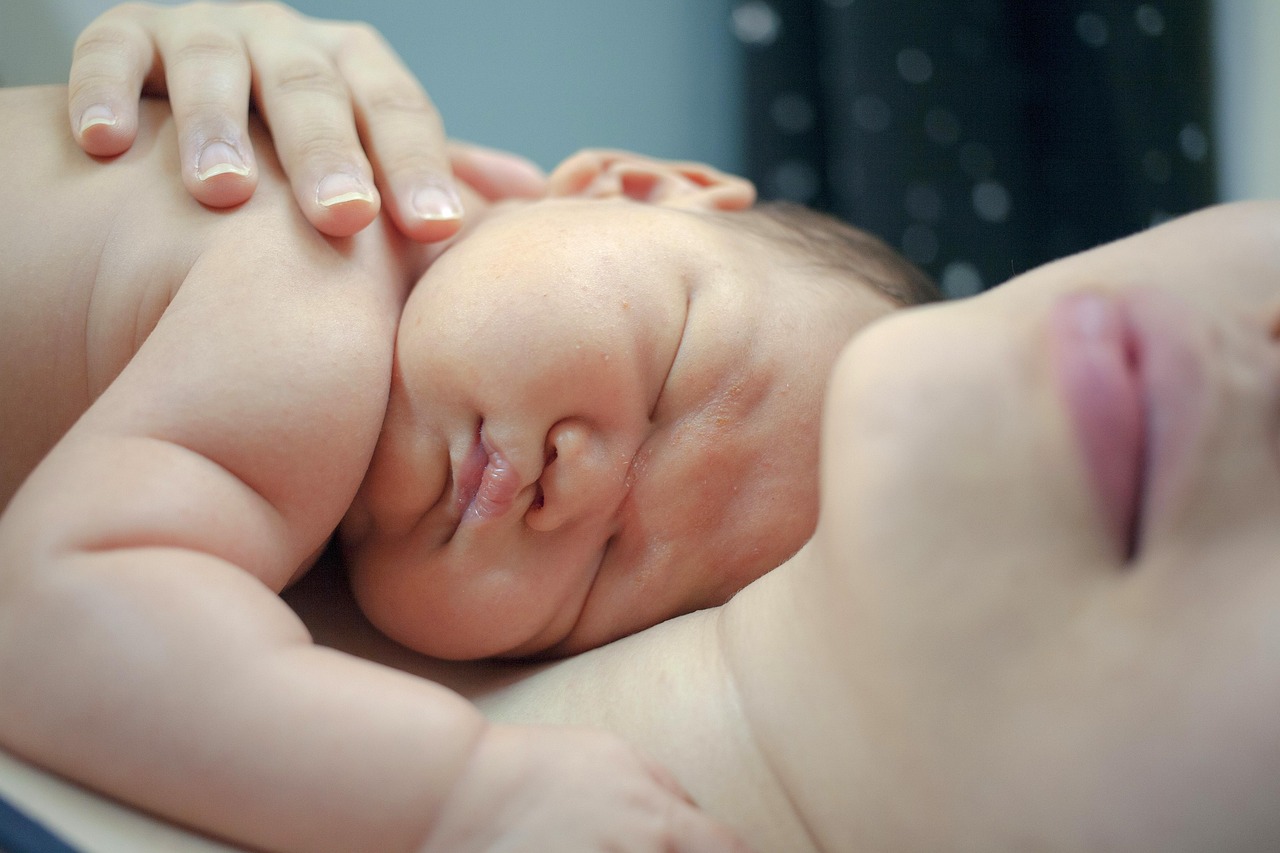

Sleep Challenges in Postpartum Women and Fitness Implications
During the postpartum period, women frequently face significant sleep challenges that can adversely affect their physical recovery and fitness levels. New mothers often experience interrupted sleep due to frequent feeding, diaper changes, and general anxiety about their newborn. Sleep deprivation can lead to decreased energy levels, impairing physical activity. Insufficient sleep affects cognitive functions, making it difficult to stay motivated for workouts. Also, hormonal changes impact a mother’s overall well-being and desire to engage in physical fitness. This can create a vicious cycle where lack of sleep hinders recovery, and insufficient exercise further aggravates feelings of fatigue. It’s essential for postpartum women to prioritize sleep as it is crucial for both mental and physical well-being. By recognizing the link between sleep and fitness, new mothers can adopt strategies to improve sleep quality. Simple practices such as establishing a bedtime routine, seeking help from family or friends, and gradually incorporating light exercises can be valuable in managing sleep challenges. When fitness regimens are thoughtfully planned around sleep patterns, postpartum women can effectively enhance their recovery process.
Understanding Sleep Patterns and Their Impact
Understanding how sleep patterns change during the postpartum period is essential for postpartum women focusing on recovery and fitness. After childbirth, sleep architecture often becomes fragmented, with mothers spending less time in deep sleep phases. Factors such as the infant’s sleep cycles greatly influence the mother’s ability to get restorative sleep. Sleep deprivation can dictate a lower threshold for physical exertion, leading to decreased participation in fitness-related activities. Prolonged sleep issues may culminate in fatigue or mood swings, which can deter motivation towards fitness goals. Proper sleep plays a vital role in muscle recovery and improves overall physical performance. During this transitional period, mothers should be encouraged to recognize that they are not alone in their struggles. A supportive community can help combat feelings of isolation and share effective coping strategies. Engaging in light stretching or yoga can serve dual purposes by relieving tension and promoting relaxation, ultimately aiding better sleep. Implementing these adjustments can empower women to embrace their postpartum journey, establishing routines that support both sleep and physical fitness.
To effectively navigate sleep challenges and ensure fitness recovery, new mothers can implement some effective strategies into their daily routines. Establishing a sleep schedule that aligns with the baby’s sleep cycle can create a consistency level that improves overall rest quality. Additionally, creating a calming bedtime environment can foster deeper sleep. Simple actions like dimming lights, using natural sounds or soothing music, and maintaining a cool room temperature can significantly enhance sleep quality. Prioritizing short but effective workouts during the day when the baby sleeps can help maintain fitness levels without compromising rest. Embracing flexibility in their approach allows mothers to adapt workouts to suit their available energy levels. This may include functionalities like baby-wearing during workouts or opting for outdoor activities with the baby. Nutrition also plays an important role in sleep quality; consuming well-balanced meals may facilitate better sleep patterns. Furthermore, mindful eating habits can provide the energy needed during this demanding period. By integrating these strategies, postpartum women can experience improved overall well-being, achieving a harmonious balance between sleep, recovery, and fitness.
The Role of Support Systems
Having a robust support system is essential for postpartum women facing sleep challenges and fitness recovery. Partners, family members, and friends can play a significant role in helping mothers manage both childcare and their own well-being. When mothers receive assistance with nighttime duties, they can benefit from interrupted sleep patterns leading to improved overall efficiency. Additionally, forming local maternal support groups can provide the emotional backing that is crucial for new mothers. Community connections can facilitate conversations and exchanges of tips between mothers dealing with similar challenges. Suggesting workout sessions that incorporate babies can enable both exercise and bonding, promoting mental wellness. Communicating openly about sleep struggles can alleviate feelings of isolation, and seeking input from established mothers can offer insightful perspectives. This support system can also help mothers in discovering motivation through shared experiences, developing friendships that bolster their physical and emotional health. Each shared story fosters resilience and the understanding that managing fitness during postpartum challenges is a shared venture, creating a sense of belonging and connection among mothers.
While navigating postpartum sleep challenges, women may benefit from consulting healthcare professionals specializing in maternal health. This guidance can help them find personalized approaches to facilitate their fitness recovery journey. Certified trainers or postpartum fitness coaches offer tailored workout plans that consider sleep patterns and overall health conditions. By understanding how sleep deprivation affects their physical capabilities, mothers can set realistic goals that resonate with their experiences. Yoga classes or physical therapy tailored for new mothers can nurture emotional resilience while addressing fitness targets. Online classes or in-person meet-ups can provide flexibility while allowing mothers to manage infant responsibilities. It’s important to embrace any incremental improvements in sleep and fitness levels, savoring each achievement. Over time, addressing sleep issues can gradually restore fitness levels and boost confidence. Incorporating adequate rest becomes a priority, enabling mothers to undertake more challenging workouts as they progress. With the right support and professional advice, postpartum women can help create favorable sleep conditions that enhance their overall fitness journey.
Nutrition’s Role in Sleep and Recovery
Nutrition is another significant factor affecting sleep quality and fitness recovery during the postpartum period. It serves as the foundation for energy levels and overall health, which are critical during this demanding time. Eating a well-balanced diet rich in vitamins and minerals can help combat fatigue and improve sleep quality. Foods that are high in magnesium, such as leafy greens, nuts, and seeds, promote relaxation and better sleep. Moreover, ensuring adequate protein intake facilitates muscle recovery and prevents exhaustion. Staying hydrated is crucial as dehydration can exacerbate feelings of fatigue and impact mood. Considering meal-prep strategies can lessen daily workloads, allowing mothers to focus on self-care and fitness recovery. Additionally, consulting with a registered dietitian specializing in postpartum nutrition can provide personalized recommendations to meet individual needs. It’s also fundamental to listen to one’s body; when tired, women should prioritize rest over physical exertion. By combining good nutrition with sleep hygiene practices, postpartum women can create a solid foundation for successful recovery, setting the stage for long-term fitness goals.
Incorporating mindfulness practices such as meditation or gentle breathing exercises can also improve sleep quality for postpartum women. These techniques not only reduce stress and promote relaxation but can also enhance mental clarity, which supports fitness motivation. Engaging in mindfulness can help new mothers reclaim some time for themselves, fostering positive mental health amidst the busy routines. Utilizing relaxation apps or guided sessions can facilitate a deeper connection to their own body, ultimately leading to improved sleep patterns. A supportive partner may also join these sessions, creating shared experiences that deepen relationships. Creating a wind-down routine that includes mindfulness activities can establish a conducive sleep environment while providing opportunities for personal connection. As women develop these habits, they gain insights into how sleep, mental health, and physical fitness intertwine. This equilibrium allows for a more fulfilling postpartum experience, where mothers feel empowered to maintain their fitness goals. Enhancing sleep quality through sustainable practices ensures they can undertake their recovery journey while inspiring others in similar situations.
Ultimately, recognizing the importance of sleep and its challenges in the postpartum phase will play a significant role in facilitating fitness recovery. Women must understand that their experiences are shared and valid, often navigating through common struggles. By advocating for better sleep practices while embracing flexible fitness regimens, postpartum women can gradually reclaim their energy levels. Utilizing available support systems, adapting nutrition based on specific needs, and consulting health professionals enrich their recovery experience. These multifaceted approaches help women minimize sleep deprivation’s negative impact on physical fitness. Women should also celebrate each small victory along the way, fostering resilience and building confidence in their postpartum journey. As mothers embark on their postpartum fitness activities, cultivating a healthier sleep cycle can pave the way toward long-term well-being. By prioritizing rest and recovery, new mothers can emerge from this transformative experience with renewed energy, connecting with their physical selves while also nurturing their emotional health. The interplay between sleep and fitness is vital for postpartum wellness, ensuring mothers thrive during this demanding yet rewarding phase.