
How Balance Training Can Enhance Aging Gracefully
Balance training has surfaced as a crucial aspect of physical fitness, particularly for older adults. Aging inevitably brings a range of physical challenges, including reduced coordination and increased risk of falls. Instilling balance training into daily routines can significantly mitigate these risks, ensuring enhanced stability and independence. Engaging in balance-focused exercises promotes strength, flexibility, and overall motor skills. This article aims to highlight the multifaceted benefits of balance training for aging gracefully. Regular practice not only improves overall physical prowess but also boosts confidence in everyday movements. As individuals age, maintaining the ability to perform activities such as walking, climbing stairs, or even standing up becomes essential. Incorporating exercise routines targeting balance is also beneficial for mental cognition, as it requires focus and engagement. Programs that include practices like tai chi or yoga emphasize balance while cultivating mindfulness and emotional resilience. By committing to balance training, seniors can experience a holistic approach to health. Therefore, individuals should actively seek resources, classes, or personal trainers equipped to teach effective balance techniques.
The Benefits of Balance Training
A plethora of research supports balance training as a beneficial practice for older adults. Numerous studies indicate that engaging in a structured balance program can dramatically decrease the incidence of falls. As previously mentioned, falls are a leading cause of injury in the elderly, resulting in fractures and long-term hospitalization. Balance training can considerably improve an older adult’s body awareness, making them more attuned to their physical capabilities. Additionally, participants often report increased confidence in their mobility, which enhances their overall quality of life. Social interaction also thrives during these classes. Being part of a community while participating in balance exercises fosters a supportive environment where individuals can share experiences and encourage one another. These supportive communities can significantly enhance motivation and adherence to exercise, leading to long-term commitment. Moreover, balance training aligns with enhancing cardiovascular fitness and flexibility, contributing to an impressive holistic impact on physical health. This multifactorial approach can enrich daily living by facilitating ease in activities, thereby promoting longer, healthier, and more fulfilling lives as one ages.
Incorporating balance exercises into routines is vital; hence, people should consider a structured format. Various methods exist, each appealing to different preferences and needs. Traditional exercises such as standing on one leg or walking heel-to-toe can easily be adapted at home. However, joining classes or seeking personal trainers can boost accountability and ensure proper technique. Many community centers, gyms, and senior facilities offer specialized programs tailored to older adults. Engaging in group settings not only enhances motivation but also allows individuals to enjoy physical activity as a social experience. Additionally, online classes and resources have surged in availability, making balance training accessible to varying demographics. People can utilize these platforms at their convenience, especially if mobility constraints exist. This adaptability is vital for maintaining engagement and routine, forming a solid foundation for balance improvement. Starting slowly and gradually building complexity ensures safety while promoting effective learning. Importantly, it’s advisable to incorporate a range of strategies rather than focusing solely on one type of exercise to achieve maximal benefits. Users can reinforce their skill set while exploring diverse practices simultaneously.
Effective Balance Exercises for Older Adults
Several effective exercises cater specifically to improving balance. Incorporating such exercises into regular fitness routines can profoundly influence the aging process.
- Heel-to-Toe Walk: Walking in a straight line while placing the heel of one foot directly in front of the toes of the other enhances coordination.
- Single-leg Stand: Standing on one leg for a period can challenge stability, progressively increasing duration as strength improves.
- Chair Stand: Practicing stand-ups from a seated position can promote leg strength and balance, pivotal for daily activities.
- Tai Chi: This gentle martial art emphasizes slow, controlled movements and can significantly bolster balance while fostering an overall sense of calm.
All these exercises are adjustable based on individual levels, and doing them consistently can lead to improved balance. Moreover, they often require minimal equipment, making them immensely accessible. Including these exercises in regular fitness regimens can foster better function and independence for older adults.
Safety precautions are paramount while conducting balance exercises. Awareness of personal limits helps to minimize injury risks significantly. Always ensure that exercise spaces are free from hazards, such as rugs or obstacles. Implementing supportive structures, like chairs or walls, during practice can provide safety and confidence. If an individual is at a higher risk of falls or has preexisting health concerns, consulting a healthcare provider or fitness professional can be immensely beneficial. They can tailor programs according to personal needs and restrictions ensuring optimal safety while maximizing benefits. Additionally, starting with a warm-up to enhance flexibility can further prepare the body for stressful physical activities. Incorporating these preventive measures fosters a safe environment for balance training. It is also advisable to consider group settings that ensure supervision. This also provides opportunities for socialization, combating feelings of isolation common among seniors. A supportive community can encourage individuals, which enhances commitment to balance practices. Ultimately, balance exercises should bring joy and increased confidence, further enhancing the overall sense of well-being in aging individuals.
Mind-Body Connection in Balance Training
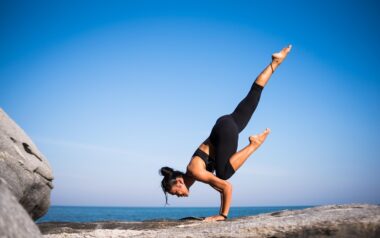
The interplay between the mind and body plays a crucial role in improving balance. Engaging in exercises that foster this connection can lead to significant benefits, especially for seniors. Practices such as yoga and tai chi not only elevate physical stability but also promote mental clarity and focus. By concentrating on breathing, movement patterns, and body awareness, individuals can establish a deeper understanding of their physical capabilities. This awareness is essential not only for balance but also to prevent falls. Moreover, overcoming mental barriers related to age can further enhance one’s performance in balance activities. Confidence correlates with improved outcomes in training; thus, fostering a positive mindset is vital. For many older adults, fear of falling can hinder engagement in physical activities. Active participation in balance training can alleviate these fears, promoting empowerment and independence. Furthermore, committing to consistent practice targets both physical and mental health, vital for aging gracefully. Cultivating both mental and physical strength through training can enhance resilience against age-related challenges, fostering overall well-being that goes hand-in-hand with balance improvements.
Aging gracefully hinges significantly on an individual’s ability to maintain health, independence, and enthusiasm for life. Therefore, investing time in balance training can yield fruitful returns. The multiple benefits, including injury prevention, improved mobility, and enhanced self-confidence, are incomparable as individuals navigate the later stages of life. Striving towards better balance utilizes various opportunities, from structured classes to everyday activities tailored to individual needs. By actively engaging in these practices, seniors can cultivate a sense of accomplishment while enriching their health journey. Furthermore, it’s essential not only to practice balance exercises but also to integrate them with other aspects of fitness, such as strength training and cardiovascular workouts. Emphasizing holistic health ensures longevity and promotes resilience against age-related declines. Ultimately, balance training is more than just physical; it encompasses mental dimensions and community interactions that enrich aging experiences. Therefore, individuals should prioritize balance education and training methods, incorporating them into daily lives proactively. Aging gracefully is about integrating patience and persistence; hence, choosing a balance training regimen can facilitate a more vibrant, active, and fulfilling life as one matures.
Finally, embracing advancements in technology can further enhance balance training. Numerous apps and online platforms provide tailored workouts specifically designed for seniors to improve balance. In some instances, virtual reality technology is being explored as a tool to create engaging and immersive balance training experiences. Adaptive tools, such as balance boards or stability balls, can offer increased support and change the dynamics of practice. With a plethora of resources available, older adults can easily find some that suit their preferences and capabilities. Always remember that consistency is key. Making balance training a regular, enjoyable part of one’s fitness routine ensures ongoing improvements and health benefits that will resonate across various aspects of life. Moreover, engaging with technology and community resources can increase engagement and motivation. Through collective commitment, older adults can foster supportive bonds that further encourage others to practice balance training regularly. Aging does not mean conceding to physical decline; instead, it offers opportunities for rejuvenation and growth. Prioritizing balance in aging practices can potentiate enhanced quality of life, ensuring that individuals remain active participants in their communities.