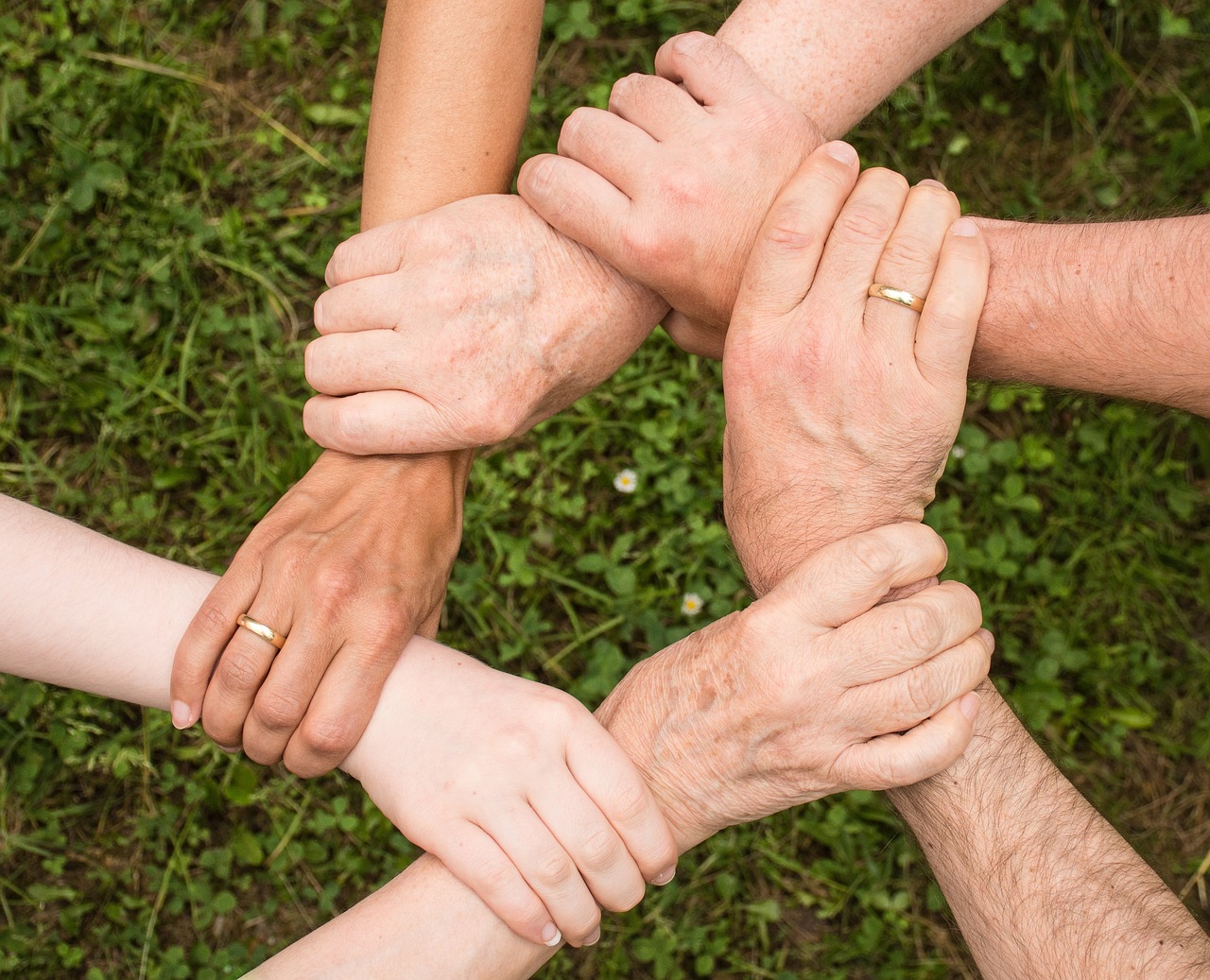

The Psychology Behind Strength Training and Social Support
The connection between psychology and strength training is profound. Exercising in a supportive community enhances mental well-being, providing both motivation and accountability. Many individuals struggle with self-doubt when embarking on their fitness journeys. Having a supportive group can help mitigate these feelings, offering encouragement that promotes resilience. Positive reinforcement from peers encourages individuals to push their limits and embrace challenges. Additionally, social interactions during training can create a sense of belonging, further encouraging consistent participation. This is particularly crucial for beginners, as they often feel intimidated. Engaging in strength training within a community builds confidence through shared experiences. Furthermore, participants can compare progress, making individuals feel less isolated in their struggles. Such dynamics lead to stronger commitment to fitness goals, as the community celebrates milestones together. Strength training programs that integrate social interactions, whether through group classes or online forums, foster an atmosphere where individuals flourish. In essence, the psychological benefits of social support are vital for enhancing the effectiveness of strength training. Training in such environments transforms not only the bodies but also the minds of participants, creating lasting impacts on their overall health.
One of the key psychological aspects of strength training lies in goal-setting. Successful training programs often incorporate clear, measurable goals. Social support enhances this process, as individuals can share their aspirations with their peers. This accountability within a community results in increased motivation to achieve personal bests. Sharing goals can also help participants refine them, making them more achievable and personalized. Strength training isn’t solely about individual performance; it’s about the communal experience. When members rally around one another’s goals, they create a unique bond that fosters determination and drive. Moreover, friendly competition often results from these dynamics, pushing everyone to elevate their personal records. The supportive atmosphere encourages participants to take risks, exploring new training techniques or heavier weights without fear of failure. The interplay between individual ambition and community encouragement leads to incredible transformations in strength levels. Consequently, the whole experience becomes enriching and rewarding. This sense of belonging is crucial in overcoming obstacles and challenges associated with fitness. Therefore, acknowledging the partnership between social support and goal achievement is vital for maximizing the benefits of strength training.
Another crucial psychological factor is self-efficacy, defined as the belief in one’s abilities to execute actions required for desired outcomes. Strength training bolsters self-efficacy when individuals witness and experience progress. Supportive communities enhance this belief by providing feedback, encouragement, and shared success stories. When members share their accomplishments and struggles, they create relatable narratives that inspire others. Furthermore, regular interactions within a training group help normalize the ups and downs of fitness journeys. Members can learn about various strategies to overcome plateaus or setbacks. This communal learning reinforces individual self-efficacy, encouraging everyone to keep striving. Additionally, regularly participating in group activities can reduce gym anxiety for beginners, making it easier to commit to regular training sessions. Social connections within strength training foster a safe environment where individuals feel comfortable seeking assistance. They can ask questions, share experiences, or even partner up for difficult exercises. This culture of openness not only enriches their knowledge but also strengthens their self-belief. Strength training thus becomes a powerful avenue for cultivating resilience in oneself through social networking.
Community Influence on Mental Resilience
The influence of community in strength training extends to enhancing mental resilience. It’s well-known that physical challenges often correlate with mental perseverance. When attending a group class, challenges are magnified by shared motivation. Observing others struggle and succeed instills a sense of can-do spirit in participants. This observation boosts collective resilience, encouraging individuals to push through their limits. Moreover, engaging with peers during intense workouts fosters camaraderie that mitigates discomfort. The shared commitment creates bonds and improves mental fortitude against pain and fatigue. Such social reinforcement helps in reinforcing the notion that pain is temporary while personal growth is lasting. Additionally, the presence of a supportive community can transform perceived limitations into possibilities. Coaches and experienced members provide insights and strategies to tackle obstacles, facilitating improved performance. Celebrating collective victories promotes a positive outlook and long-term commitment to strength training. It demonstrates that progress is attainable through endurance and collaboration. The psychological benefits extend beyond the gym; individuals often report enhanced emotional well-being, improved coping mechanisms, and stress reduction. Strength training within a community shapes not only bodies but also equips everyone for life’s challenges.
The sense of belonging in a fitness community adds layers of motivation not found in solitary training. Socialization is a primary driver for many individuals, making group classes more appealing. Interacting with like-minded people creates networks of support and encouragement. This dynamic influences consistency, making individuals less prone to skipping workouts. Conversations that happen during sessions foster friendships beyond lifting weights. As community members become invested in each other’s progress, fitness evolves into a shared journey. These social bonds create an environment where everyone is holding one another accountable, pushing participants to show up and try their hardest. As individuals improve, they inspire others, creating a ripple effect throughout the group. The diversity of experiences shared in strength training circles enriches learning opportunities. Knowledge exchange among members enhances their understanding of fitness strategies, injuries, and nutrition. This collective wisdom encourages better training methods and perspectives, ultimately resulting in greater achievements. Moreover, as the community grows, members feel less judged and more understood in their fitness endeavors. Strength training thus becomes not just a pursuit for aesthetics but a collective empowerment for mental and emotional health.
Long-term Benefits of Social Interaction
The long-term benefits of integrating social support in strength training are profound. Individuals who regularly engage in community-based training tend to stick with their fitness routines over time. The relationships developed through shared experiences create an intrinsic motivation to return. Members often recommend each other for advancements, whether leading classes or sharing valuable resources. This sense of continuity fosters loyalty to routines and enhances overall satisfaction with physical activity. Moreover, the shared successes contribute to a sense of purpose and achievement. For many, simply attending a strength training class becomes a regular social outing rather than just an exercise chore. The emotional investment creates an attachment to fitness goals, encouraging individuals to explore further. Total transformation goes beyond physical appearances as regular engagement leads to improved mental health, highlighted by increased mood and reduced anxiety. The mastery of skills gained fosters pride and self-worth. Community engagement transitions fitness from an isolated endeavor to a lifestyle woven deeply into one’s social fabric. Ultimately, strength training within a supportive community yields lasting benefits that extend well beyond the gym floor.
In conclusion, strength training is significantly enhanced through the influence of social support and psychological principles. The collective experience fosters motivation, resilience, and self-efficacy among individuals pursuing fitness goals. Through shared struggles and triumphs, participants cultivate bonds that amplify their commitment and enjoyment. This communal environment encourages accountability, reducing the likelihood of setbacks. Furthermore, the emotional benefits of participating in a supportive community cannot be overstated; members often find themselves thriving both physically and mentally. This unique blend of collaboration and personal growth extends beyond physical strength, impacting many areas of life. By embracing the social aspects of strength training, individuals not only reshape their bodies but also their mindset, leading to profound life changes. As communities continue to evolve within fitness, the psychological understanding of strength training will further enhance these bonds. It’s essential for both trainers and participants to recognize that success is often rooted in the community. By prioritizing social interaction, participants can unlock their full potential, transforming their fitness journeys into enriching experiences filled with growth, joy, and connection.
Ultimately, the importance of social support in strength training cannot be overlooked. More than simply lifting weights, it embodies a rich tapestry of human interaction and psychological growth. As individuals navigate their fitness journeys, they often seek reassurance and encouragement from those around them. Cultivating strong connections within a training environment creates an ecosystem where everyone thrives. Future trends in fitness reflect this growing awareness, emphasizing community-oriented programs that celebrate diversity in experience and ability. With the increasing recognition of mental health’s role in physical fitness, strength training will continue to incorporate social dynamics that empower individuals. Together, these elements form a robust foundation for achieving lasting health improvements and enhancing overall life satisfaction. Embracing these psychological principles helps refine training approaches to meet the needs of unique communities. Therefore, the critical message here underlines the value of support systems—integrating them can turn any routine into a vibrant, life-changing experience. So as you embark or continue your strength training journey, remember the importance of both community and mental insights. Uniting these elements can truly transform your approach, leading to unprecedented levels of personal achievement and fulfillment.