
Organic Pest Control: A Natural Approach for Environmental Fitness
Organic farming has gained significant popularity as an environmentally friendly alternative to conventional agricultural practices. This method emphasizes the use of natural processes and materials to grow crops and manage pests, supporting biodiversity and soil health. One of the fundamental principles of organic farming is to maintain ecological balance, which entails harmonizing plant life with ecological systems. Farmers implement various techniques to promote pest control without synthetic chemicals, prioritizing their health and the environment. Biological pest control, which utilizes natural enemies such as beneficial insects, is a key strategy in organic farming. Additionally, crop rotation and companion planting wonder how to bolster plants’ defenses against specific pests. Organic farmers cultivate resilience by selecting pest-resistant plant varieties and employing natural repellents. By using these sustainable methods, organic farming enhances the environment while producing healthy, chemical-free crops. This practice aims not only to satisfy consumer demand for organic produce but also to contribute positively to the ecosystems involved. The emphasis on health and sustainability makes organic pest control an essential aspect of modern agriculture. It represents a balanced approach to managing pest populations without harming the environment.
The Importance of Biodiversity in Organic Farming
Biodiversity plays a crucial role in organic farming, especially concerning pest management. This principle is rooted in the understanding that a diverse ecosystem is more resilient to pests and diseases. By incorporating various plants, animals, and microorganisms, organic farmers create habitats that support beneficial species such as pollinators and predatory insects. These beneficial organisms are fundamental for maintaining healthy crop yields. Hence, the diversity of species acts as a biological control mechanism against pest outbreaks. In an organic setting, increased biodiversity not only boosts ecological balance but also promotes soil fertility. When organic farmers embrace companion planting, they foster a harmonious relationship between different species. For example, marigolds can attract pollinators and repel nematodes or aphids. Furthermore, rotating crops eliminates pest pressure on any one species, enabling natural ecosystems to thrive. This biodiversity approach reduces reliance on chemical pesticides. Also, it safeguards the environment by encouraging sustainable agricultural practices. As awareness of environmental issues grows, consumers increasingly prefer organic products that prioritize sustainability and biodiversity. Organic farmers utilize these practices to nurture their crops while actively supporting ecosystem health.
In organic farming, cultural practices form the foundation of effective pest management. These practices include proper crop rotation, sanitation, and timely planting. Adopting such practices reduces pest populations while maintaining a balanced ecosystem. Crop rotation disrupts pest development cycles by changing the crops planted in specific areas annually. This method decreases the likelihood of pests establishing consistent populations. Sanitation also plays a vital role in organic pest control strategies. By regularly removing debris and diseased plants, farmers minimize potential habitats for pests and breeding grounds. Additionally, practices like intercropping foster healthier crops through enhanced competition, potentially deterring pests. Timing is also critical; planting crops at optimal times can help avoid peak pest populations. Furthermore, understanding local weather patterns and pest life cycles can significantly contribute to the success of organic farming. Organic farmers must remain vigilant regarding pest activity. They can do this by continually monitoring crops, allowing for timely interventions. By coupling these cultural practices with natural pest control methods, organic farmers create comprehensive strategies that protect their crops without resorting to harmful chemicals. Consequently, cultural practices are among the primary tools for achieving pest control in organic farming.
Biological Control Methods in Organic Pest Management
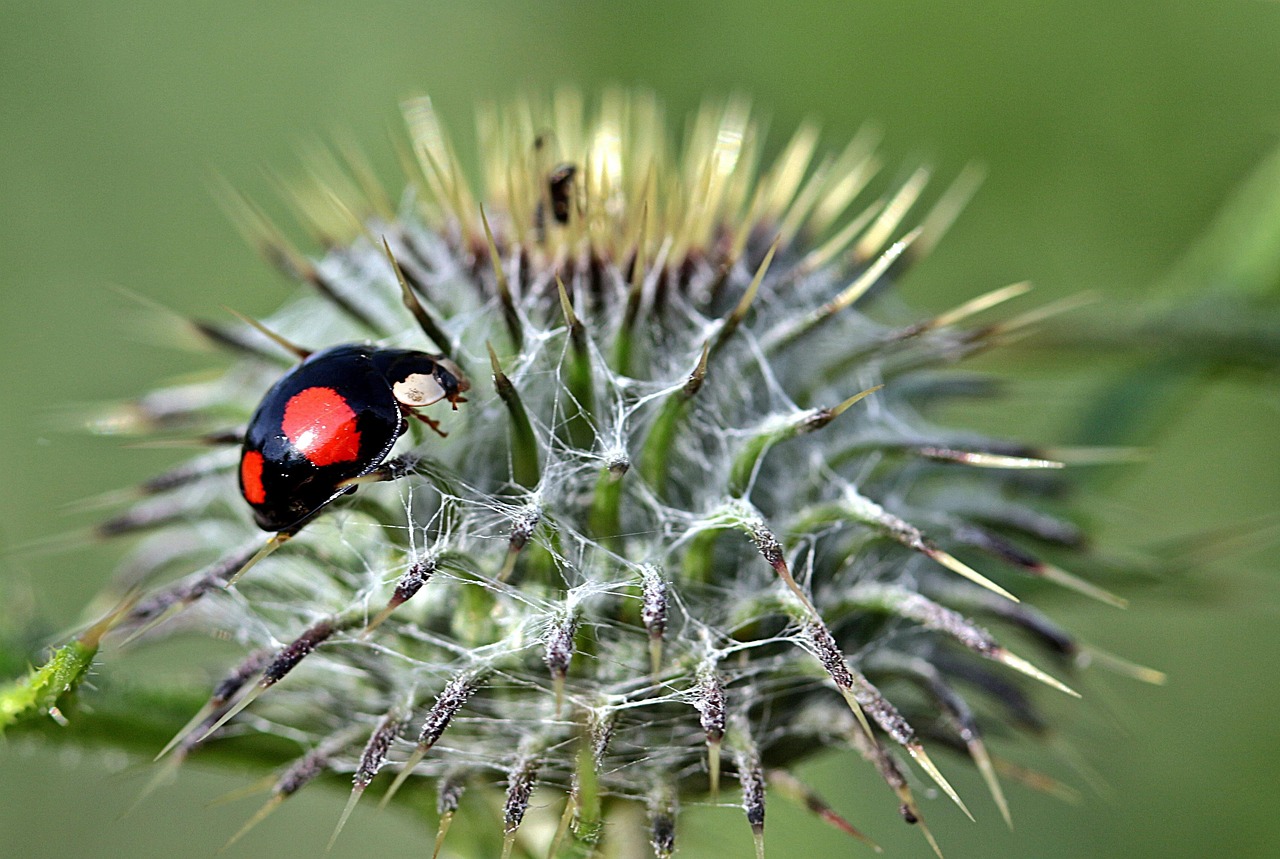
Biological control is a cornerstone of organic pest management, harnessing natural predators and parasites to control pest populations. This method minimizes the need for synthetic pesticides and promotes a healthy ecosystem. For instance, releasing ladybugs can effectively reduce aphid populations in crops. Entomopathogenic fungi and nematodes can also target harmful insects, causing them to succumb to natural infection. In addition, parasitic wasps lay their eggs within pest larvae, ultimately controlling pest populations at their source. Biological control methods enhance pest management through a multi-faceted approach. Farmers must identify specific pests and their natural enemies to effectively implement these strategies. The use of beneficial insects encourages greater biodiversity and helps establish balance in ecosystems. Another readily accessible biological pest control method is the use of biopesticides. These products stem from natural sources, such as plants, bacteria, or minerals, and target specific pests without harming non-target organisms. By integrating biological control methods into their pest management strategies, organic farmers foster healthy crops while simultaneously preserving the environment and promoting sustainability, embodying the principles of organic agriculture.
Incorporating natural repellents as pest deterrents is an effective aspect of organic farming strategies. These organic-approved methods utilize various materials like essential oils, garlic, and diatomaceous earth to create barriers between crops and pests. For instance, neem oil, derived from the seeds of the neem tree, possesses insecticidal properties, making it a popular choice for tackling various garden pests. Farmers can mix neem oil with water and soap to create an effective spray. Further, insect repellents formulated from natural sources can deter pests from infesting crops. Garlic spray, for instance, acts as a potent repellent through its strong odor. Moreover, diatomaceous earth, made from fossilized algae, disrupts the exoskeletons of insects, causing dehydration and ultimately death. Implementing these natural repellents fosters less environmental impact than synthetic chemicals while maintaining effective pest management strategies. Additionally, these methods can often be combined with cultural practices to create a comprehensive pest control plan. Advancements in organic farming techniques highlight the importance of utilizing various natural deterrents, assuring agricultural sustainability while aligning with environmental fitness goals.
Benefits of Organic Pest Management for Farmers
Choosing organic pest management practices provides numerous benefits for farmers, supporting both their livelihoods and the environment. One primary advantage is the reduced exposure to chemical pesticides. This shift leads to safer working conditions for farmers and their families, positively affecting community health overall. Organic farming fosters healthier soil and ecosystems as it prioritizes long-term sustainability over quick yields. By adopting organic pest control strategies, farmers enhance their land’s ability to resist disease and pests. These practices often improve soil fertility as farmers incorporate organic matter and cover crops to protect against soil erosion. Moreover, organic farming practices can lead to premium prices for products, tapping into the growing market for organic goods. Consumers are becoming more environmentally conscious, creating demand for sustainable solutions. This financial incentive encourages farmers to continue with organic practices. Additionally, the implementation of organic pest management often results in improved biodiversity and healthier ecosystems. Farmers benefit from stronger ecosystems that provide resistance against pest pressures, ultimately leading to long-term agricultural stability. Through these practices, organic farmers can successfully work toward achieving economic viability while promoting environmental fitness.
In sum, organic pest control is an emerging approach that seeks to harmonize agricultural practices with the surrounding environment. Emphasizing the importance of biodiversity, biological control methods, and the adoption of natural repellents, these strategies safeguard the environment and foster sustainability. Organic farming represents a crucial shift toward reducing reliance on synthetic chemicals. Farmers adopting these strategies contribute to healthier ecosystems while producing safe and nutritious food for consumers. The environmental benefits of organic pest control extend beyond the immediate effects on farms, promoting ecological balance and enhancing biodiversity beyond agricultural settings. As demand for organic products continues to rise, a growing number of farmers will recognize the incentive to transition to organic practices. They acknowledge the importance of maintaining soil health and reducing chemical dependency within their farming systems. Over time, the accumulation of organic farming practices will offer healthier ecosystems worldwide, aligning agricultural productivity with environmental fitness concerns. By embracing organic pest management, farmers actively contribute to nurturing the environment for future generations, firmly establishing a sustainable agricultural paradigm.
Conclusion
Organic pest management not only prioritizes environmental fitness but also boosts food quality. It represents a vital approach to modern agriculture, merging sustainability, health, and productivity seamlessly. This method allows farmers to combat pest challenges without compromising their well-being or that of the planet. Consequently, adopting organic practices encourages a more sustainable food system for everyone. Future developments in agricultural techniques must continue to emphasize organic principles in order to address evolving challenges. As consumers become increasingly aware of the impact of farming practices on their health and the environment, the demand for organic products will continue to grow. Organic pest control exemplifies this shift toward conscious consumerism. By choosing organic, individuals express their commitment to environmental wellness and sustainability. Through education and advocacy, farms can share successful practices with others, further cementing a movement towards organic farming. Comprehensive education regarding the benefits of organic methods is vital for motivating the next generation of farmers. In conclusion, organic pest control serves as a practical, sustainable, and viable solution for nurturing both crops and the environment in harmony, ultimately supporting a healthier planet.