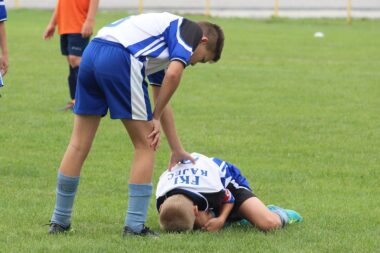

Common Injuries in Youth Sports and How to Avoid Them
Youth sports play a crucial role in the development of physical and mental abilities in children. However, participating in sports can lead to injuries, which can hinder a child’s physical development and enjoyment of physical activity. Common injuries include sprains, strains, fractures, and overuse injuries that can result from insufficient conditioning and improper technique. To prevent injuries, it is essential for parents, coaches, and young athletes to emphasize proper warm-up exercises before engaging in rigorous activity. Understanding the risks associated with specific sports and educating kids about safe techniques can significantly reduce injury rates. Moreover, it is essential to monitor the equipment being used in sports practices and games, ensuring it fits properly and is maintained regularly. Overall, the focus should be on making athletic experiences enjoyable and safe for children by utilizing informed strategies to prevent injuries. A proactive approach fosters a lifetime love of fitness while minimizing the risk of injuries.
Injuries can be categorized into two types: acute and chronic. Acute injuries occur suddenly due to trauma, such as falling or colliding with another player. In contrast, chronic injuries develop gradually over time and are typically the result of repetitive stress on the body, such as tendinitis. A significant contributor to both types of injuries in youth sports is inadequate training and conditioning. Ensuring that young athletes are physically prepared for the demands of their sport can help to mitigate these risks. It is essential that children engage in age-appropriate training that includes strength and flexibility exercises as well as sport-specific skill development. Additionally, implementing rest periods during training can prevent overuse injuries. Parents should encourage their children to communicate concerns about pain and discomfort to coaches promptly. Recognizing signs of injury at an early stage is crucial, as it allows for proper assessment and intervention, preventing more severe injuries from developing. Developing a strong understanding of injury prevention strategies is vital for both parents and coaches.
The Importance of Recovery Practices
Recovery is a critical component of youth sports that is often overlooked. Kids need time to recover after intense activity to prevent injuries and fatigue. Without adequate recovery, young athletes are more susceptible to overuse injuries, which can sideline them for extended periods. Establishing a consistent recovery routine can include activities such as stretching, hydration, and rest. Parents should encourage their children to participate in activities that promote recovery, like yoga or light swimming. Moreover, proper nutrition plays a key role in recovery, helping the body rebuild and heal. Young athletes should be advised to consume a balanced diet rich in proteins, carbohydrates, and healthy fats to support their physical demands. Consuming nutritious snacks after practices or games can replenish energy and aid in muscle recovery. Understanding the importance of recovery not only aids youngsters in sport performance but also fosters lifelong healthy habits. Coaches should integrate recovery time into practice schedules to ensure that all athletes prioritize it as much as skill development.
Coaches also have a significant responsibility in injury prevention when it comes to keeping youth athletes safe. They are in a unique position to assess the skill levels of their players and develop practices accordingly. Employing a child’s natural abilities while providing proper coaching can greatly reduce injury risks. Ensuring that players are practicing correct techniques in movements, such as landing, cutting, and accelerating, will strengthen the body’s mechanics. Additionally, understanding the game rules and sportsmanship can minimize aggressive play that leads to injuries. Communication is essential; therefore, coaches must maintain open lines of communication with players and parents about injuries sustained during practices or games. Having an injury management plan in place should injuries occur will prepare everyone involved for a swift recovery. It is vital that coaches also educate young athletes about the importance of listening to their bodies and recognizing when something does not feel right. Ensuring players comprehend these messages encourages a culture of safety within sports programs, ultimately leading to higher participation rates without injury fears.
Equipment Safety and Proper Use
The correct use of sporting equipment is essential to minimize injury risk in youth sports participation. Parents and coaches should ensure children wear equipment that is appropriate for their age, size, and specific sport requirements. This includes wearing helmets, padding, and appropriate footwear designed for the sport being played. Conducting periodic checks on the condition of the equipment used is necessary to ensure there are no defects that could lead to injury. Coaches should educate young athletes on the importance of wearing protective equipment at all times during practices and games. Children often may feel invulnerable and resist wearing protective gear during play. Promote personal responsibility and explain that protective gear significantly reduces injury risk. Templates for equipment checklists can be provided to coaches to ensure all players are adequately equipped before practices and competitions. Furthermore, participant education on correct techniques in using sports equipment will help reinforce safe habits. Investing in quality gear and maintaining it properly can greatly enhance the safety and enjoyment of participating in youth sports.
In addition to physical components of training and recovery, mental health is a critical factor in youth sports participation and injury prevention. Mental pressure, anxiety, or lack of confidence can lead to physical performance issues or even injuries. Coaches and parents must recognize that children’s mental well-being can affect their overall performance and safety. Encouraging a supportive and stress-free environment can improve athletic enjoyment and performance. Communication about mental health supports resilience among young athletes. Additionally, involving children in goal setting and personal development can boost self-esteem and reduce anxiety. Coaches are encouraged to integrate mindfulness practices into training sessions to help young athletes learn to manage stress. Furthermore, teaching coping strategies to deal with competition pressure can empower kids to perform without succumbing to anxiety. Fostering a culture that prioritizes mental health will promote long-term benefits in athletic performance. Awareness and open discussion about mental well-being can positively impact youth sports while enhancing injury prevention efforts for all ages.
Conclusion: Building a Safe Sports Community
Creating a safe environment for youth sports requires a united effort from parents, coaches, and young athletes themselves. Emphasizing the prevention of injuries ensures children get the most out of their sports experience while minimizing potential setbacks that injuries can bring. All involved parties must be educated on injury prevention strategies, recovery practices, and the need for maintaining equipment safety. Establishing a culture that values health, safety, and mental well-being is key for successful sports participation for younger players. By prioritizing these practices, it is possible to significantly reduce injury risks, thereby promoting longevity in sports participation and encouraging kids to lead active, fit lives. Supporting young athletes through educational programs and workshops about injury awareness will also be beneficial. The community at large plays a role in helping consolidate injury prevention efforts, creating a supportive atmosphere that encourages participation. When youth athletes feel safe and supported, they can develop their skills and enjoy the myriad benefits that sports provide throughout their lives.
In the end, it is crucial for everyone involved in youth sports to understand that injuries can happen at any time, but many risks can be controlled with proactive prevention strategies. Always encourage communication about pain, discomfort, or concerns from young athletes while reinforcing self-care practices. Being attentive to these aspects of youth sports participation allows parents and coaches to make necessary adjustments, ensuring not only skill development but also a healthy relationship with physical activity. Each small step taken toward safety can lead to major changes in how young athletes thrive in sports. Recognizing the importance of fun in sports while addressing injury prevention creates a holistic approach that benefits everyone involved. Participation in sports should not only promote fitness but also build resilience and confidence. By working together to create a safer sports environment, we equip the next generation with the necessary tools for enjoying a lifetime of fitness and healthier lifestyles.