
The Science Behind Dance Aerobics and Fat Burning
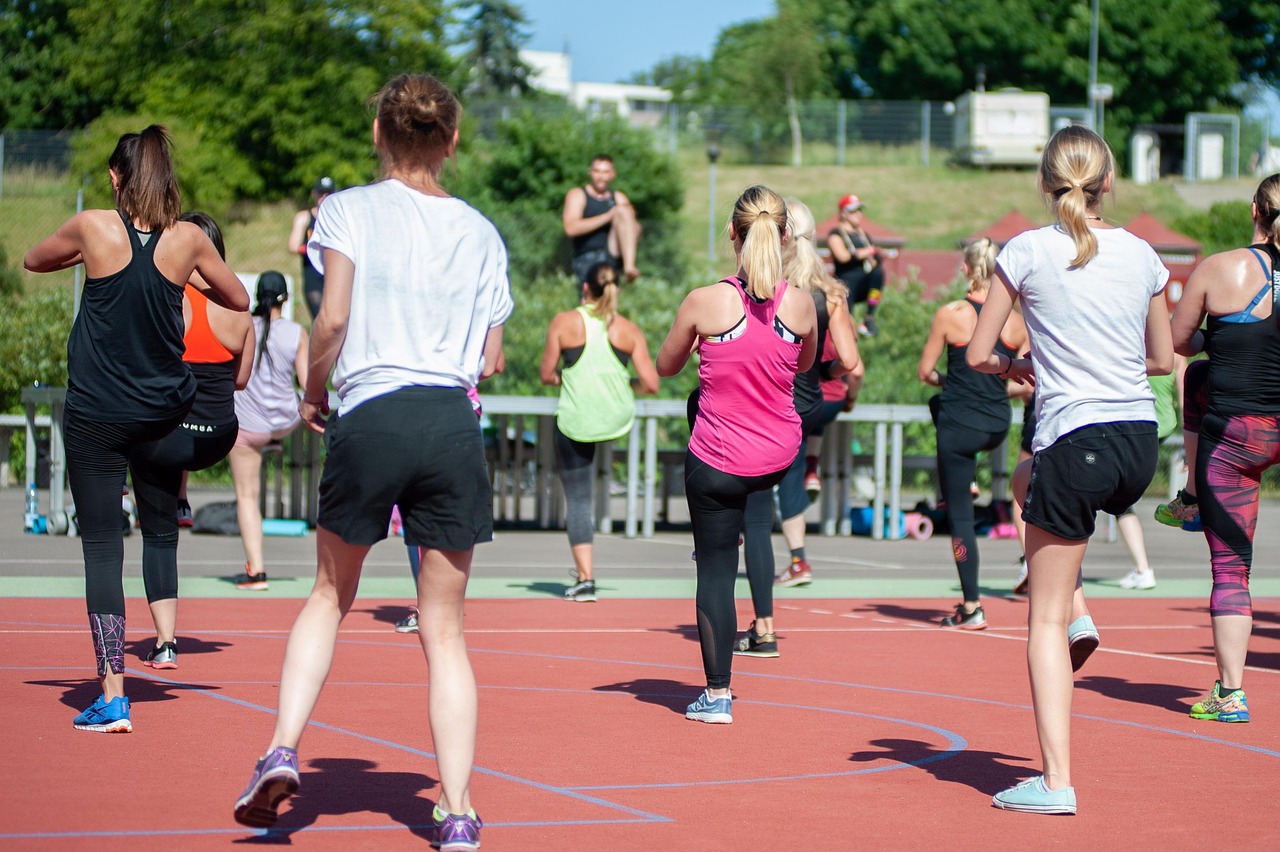
Dance aerobics is a vibrant blend of choreographed movement and cardiovascular exercise, making it a favorite for fitness enthusiasts. This training method combines rhythm, timing, and coordination, engaging participants in a fun environment. As a group workout, it promotes positive social interactions, enhancing motivation to exercise regularly. The frantic movements used in dance aerobics elevate heart rates, which boosts metabolic functioning beneficially. This method targets various body parts, helping to tone muscles and improve flexibility. When performed consistently, it can lead to substantial fat loss, providing a holistic approach to health. A session generally lasts 45 minutes to an hour, where participants follow an instructor’s lead through various dance styles, including hip-hop, salsa, and jazz. In turn, the improvisational nature of the movements allows for creativity and personal expression. Moreover, the rhythmic music utilized in sessions elevates mood and reduces perceived exertion, meaning participants often push harder without realizing it. Dance aerobics not only builds strength and endurance but also enhances balance and coordination. By incorporating these elements, individuals who participate derive maximum benefits across multiple health dimensions, contributing to overall well-being and longevity.
In addition to the physical benefits of dance aerobics, mental health advantages exist as well. Participating in such activities releases endorphins, which promote happiness and reduce feelings of stress and anxiety. This release of endorphins has proven links to improved mood and can help combat depression. The social aspect of group classes also plays a significant role in enhancing overall well-being, as individuals form friendships and support networks. Such positive relationships can motivate participants to commit to regular exercise routines, ultimately leading to better health outcomes. Furthermore, dance aerobics can be tailored to different fitness levels, making it inclusive for everyone. Beginners can start slowly, while advanced participants can intensify their efforts to match their abilities. The adaptability allows individuals to progress at their own pace while enjoying the rhythmic movements as part of their fitness journey. Moreover, dance aerobics can positively impact cardiovascular health by increasing heart health and stimulating blood circulation. Regular engagement in dance aerobics sessions can also enhance lung capacity and overall respiratory efficiency. Practicing rhythmic movements during your workout works the core and improves equilibrium, making participants feel stronger and more coordinated every day.
Mechanisms of Fat Burning in Dance Aerobics
The mechanics behind fat burning during dance aerobics is rooted in energy expenditure. When engaging in aerobic activities, the body utilizes glucose and fat as primary energy sources. By raising the heart rate through intense dancing, the body shifts into a higher metabolic state, increasing calorie burning even during rest. This process is known as the afterburn effect, or excess post-exercise oxygen consumption (EPOC). After a workout session, the body continues to use more oxygen than normal, enabling fat burn long after the activity has ceased. Activity like dance aerobics encourages the body to tap into fat reserves effectively, contributing to weight loss goals. Utilizing high and low-intensity movements within classes helps enhance cardiovascular fitness and contributes to this fat-burning process significantly. Combining cardio and strength aspects in dance aerobics creates a full-body workout that challenges various muscle groups. Hence, potential results can include improved muscle definition and endurance. As participants progress and increase intensity, they can expect higher efficacy from their efforts. By dancing consistently, participants not only improve their heart health but also instigate long-term shift in body composition, emphasizing fat reduction while supporting muscle preservation.
Another vital aspect of dance aerobics is recognizing its role in establishing a sustainable fitness lifestyle. Incorporating appealing elements through music and dance facilitates an enjoyable experience, making exercise less of a chore. This positive emotional connection encourages participants to remain committed to their fitness journeys. When compared to more traditional workout routines, such as running on a treadmill, dance aerobics tends to resonate better with those who appreciate creative expression. The continual rhythm of the music often energizes participants, fostering a sense of community among class members. The classes can vary widely in style, intensity, and purpose, so one can find a type that suits personal preferences. For example, individuals may engage in Zumba for a Latin-focused dance experience, or they may prefer a more structured format through cardio kickboxing-inspired sessions. Regular attendance at classes lays a foundation for improved cardiovascular fitness and fat reduction, leading to enhanced overall vitality. As individuals gain confidence in their abilities, they tend to explore new dance types, thus expanding their horizons further. The journey of dance aerobics becomes an avenue for self-expression, connection, and personal growth, motivating a more balanced lifestyle.
Integrating Nutrition for Optimal Results
To maximize the benefits derived from dance aerobics, nutrition plays a crucial role in supporting performance and recovery. Nutrition not only provides energy required for workouts but also aids in the recovery process, helping muscles rebuild and repair. Consuming a balanced diet rich in whole foods, such as fruits, vegetables, lean proteins, and healthy fats, enables participants to perform at their best during classes. Pre-workout snacks can offer a quick energy boost to sustain performance throughout an intense session. Consider consuming carbohydrates alongside proteins to enhance energy availability for the body. Additionally, proper hydration is equally important to maintain optimal functioning during workouts. Participants in dance aerobics should aim to drink enough water before, during, and after classes to replenish lost fluids. Post-workout recovery is essential for sustaining long-term fitness goals; therefore, incorporating a protein-rich meal within the next 30 minutes after exercising encourages muscle recovery. Nutrient timing and proper meal planning thus enable individuals to fuel their workouts effectively. Developing awareness around food choices is critical for anyone dedicated to promoting overall health and well-being through dance aerobics and fitness.
Dance aerobics offers an exciting avenue for physical activity that embraces creativity while delivering effective workouts. Individuals seeking to embark on a fitness journey or enhance body composition will appreciate the unique aspects of this training style. Classes typically vary based on the instructor’s style and choreography, keeping participants motivated and engaged. Additionally, the opportunity to participate in dance aerobics creates a sense of belonging within a community dedicated to fitness. Numerous studies have highlighted the health benefits of regular aerobic exercise, and dance aerobics is no exception. This form of exercise promotes heart health, enhances flexibility, and supports overall wellness. Importantly, the connection between body movement and mental health contributes to a holistic approach promoting vitality and happiness. Over time, participants may discover increased confidence in their movement abilities, encouraging them to adopt additional physical activities beyond the dance studio. Ultimately, dance aerobics serves as much more than just a fitness tool; it becomes a lifestyle choice that fosters positivity, encourages discipline, and embraces the joy of self-expression. As individuals navigate their dance fitness journeys, improved physical and mental health can enhance their overall quality of life.
Conclusion: The Lasting Impact of Dance Aerobics
In conclusion, dance aerobics stands as a multifaceted exercise option combining physical, mental, and social wellness benefits. With the allure of rhythm, creative expression, and the chance to engage with others, it remains a powerful mode for achieving comprehensive health goals. Incorporating dance aerobics into one’s routine enhances not only physical fitness but also improves mental resilience and delivers countless stress-relieving moments. It encourages a healthy balance in a fast-paced world, allowing individuals to step back and enjoy the sheer joy of movement. Participants experience weight loss and improved cardiovascular functioning, all while alleviating mental burdens through engaging workouts. Over time, results manifest in beautifully sculpted bodies and uplifted spirits, reinforcing the importance of self-care through joyful movement. Moreover, the supportive community created within dance classes fosters friendships and motivation, instilling a sense of accountability among members. Individuals will likely be more inclined to return weekly, nurturing their commitment to stay healthy. Building these relationships around a common goal further enhances the efficacy of this thrilling fitness modality in creating healthier lifestyles. So dance, smile, and embrace the fantastic journey that is dance aerobics today!