
Compassion Meditation in Buddhism
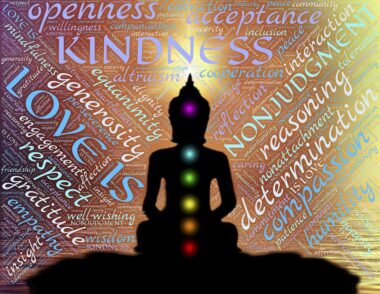
Buddhist compassion meditation is often referred to as ‘Metta’ or loving-kindness meditation. This practice is designed to cultivate benevolence, kindness, and compassion. Practitioners typically begin by focusing on themselves, repeating phrases like ‘May I be happy, may I be healthy’ to foster self-love. As practitioners develop compassion for themselves, they gradually extend their focus outward, including close friends, family members, and eventually all sentient beings. The process emphasizes recognizing shared experiences, which helps elevate one’s sense of connection and reduces feelings of isolation. In this practice, individuals visualize sending loving-kindness towards others, reinforcing their compassion. This meditation is beneficial for stress reduction and emotional well-being. Research indicates that those who regularly practice compassion meditation experience enhanced emotional resilience. As compassion grows, practitioners often find an increased desire to help others, affirming their commitment to altruistic practices. Ultimately, Buddhist compassion meditation cultivates a profound sense of connection to others. Through this nurturing process, individuals develop greater empathy. It enriches both individual and communal life experiences, affirming the importance of compassion in creating a peaceful world.
Compassion in Hindu Practices
In Hindu traditions, compassion is encapsulated in the practice of ‘Karuna.’ This notion signifies an empathetic concern for all living beings. One popular meditation practice called ‘Japa’ involves repeating mantras that embody compassion. By reciting phrases like ‘Om Shanti’ or ‘Om Namah Shivaaya,’ practitioners focus their minds on universal love and compassion. This repetition not only engages the mind but also encourages emotional transformation. Meditators visualize the suffering of others and mentally send healing energy. This focused intention fosters the ability to empathize deeply with different life situations. Hindu scriptures suggest that compassion leads to spiritual enlightenment. The act of showing kindness to others is seen as a service to God, aligning with the core belief of seeing divinity in every being. Practicing Karuna meditation leads to increased spiritual growth, as it diminishes ego and personal barriers. When individuals let go of self-centeredness, they experience profound tranquility that can positively influence relationships. Compassion meditation creates a ripple effect, encouraging others to act kindly. This practice directly fosters a more compassionate society while promoting holistic well-being among all its members.
Another tradition that emphasizes compassion is the practice of Sufi meditation known as ‘Dhikr.’ In Sufism, invoking God’s names repeatedly allows practitioners to immerse themselves in divine love, fostering a deep sense of compassion. Participants engage in rhythmic chanting, often accompanied by music and dance, promoting a heightened spiritual state. This connection to the divine nurtures feelings of love and compassion towards oneself and all beings. Through this meditation, practitioners often experience community bonding, integral in fostering shared values of empathy and compassion. The sense of unity flourishes as practitioners let go of their individual ego. Sufi teachings advocate serving humanity, signifying that true connection to God manifests through compassionate actions. Dhikr meditation can help alleviate feelings of isolation and hurt, as it emphasizes interconnectedness among all life forms. Regular practice enhances one’s ability to forgive, accept, and understand others. This transformative experience often leads to personal peace and a commitment to service. As individuals grow in compassion, they naturally become conduits of love, encouraging others to join a collective movement towards kindness and understanding, fostering a more harmonious existence for all.
Christian Contemplative Prayer
Christian contemplative prayer encourages individuals to embrace silence and stillness, cultivating an internal environment of compassion and love. This practice often involves silent reflection and prayer, aiming to promote a deep connection with God. Participants may choose a single phrase, such as ‘Lord, have mercy,’ to focus their thoughts, inviting gratitude and compassion into their hearts. During this meditative practice, practitioners often reflect on the teachings of Jesus, emphasizing love and compassion towards others. The stillness helps individuals confront their inner emotional landscape, allowing for greater vulnerability and understanding of their struggles and the struggles of others. Ultimately, this practice fosters an increased awareness of God’s unconditional love, compelling individuals to extend that love to the world. It teaches participants the values of forgiveness and acceptance, crucial components of compassionate living. Engaging in contemplative prayer encourages individuals to witness their thoughts and feelings without judgment. This heightened awareness cultivates an open-hearted approach to external challenges. As they deepen their spiritual journeys, practitioners often experience a transformative shift, increasingly embodying compassion in their everyday lives, becoming sources of light and love within their communities.
In the realm of Taoism, compassion is approached through meditation practices like ‘Zhuangzi’s Dream.’ This method encourages practitioners to reflect on the interconnectedness of all life. By meditating on various natural phenomena such as rivers and mountains, individuals may develop a profound appreciation for existence and the cyclical nature of life. Such reflections lead to feelings of compassion for both human and non-human entities. This Taoist understanding emphasizes harmony, advocating for a compassionate engagement with the world around us. Practitioners learn to embody a mindset that is attentive to suffering, fostering kindness through awareness of one’s impact on the environment. This holistic awareness nurtures gratitude and promotes peaceful co-existence with nature and fellow beings. As individuals embrace the interconnectedness of all life forms, their hearts can open wider to compassion. This change improves personal relationships, cultivating empathy and kindness. The realization of interconnectedness allows individuals to transcend boundaries, creating a united community grounded in compassion. Meditation through Taoist philosophies supports emotional balance, essential for personal peace and fulfilling relationships. By celebrating the essence of life, compassion becomes a shared journey toward embracing our common humanity.
Indigenous Wisdom and Compassion
Indigenous cultures around the world often emphasize compassion as a core value. Many traditions incorporate meditation to connect deeply with nature and foster empathy. For instance, some Native American practices involve silent observation of the natural world, facilitating a sense of kinship with all living beings. Participants engage in practices that honor the spirits of animals and plants, offering gratitude for their sacrifices and lessons. This meditation fosters a respect for life, urging individuals to extend compassion beyond human realms. By incorporating elements of nature into their meditative practices, individuals experience profound calm and connection. This inner tranquility helps promote compassionate interactions within communities as well. Traditional storytelling is another method Indigenous cultures utilize to impart wisdom and compassion. Oral stories often communicate the importance of understanding, cooperation, and empathy among people and the natural world. Engaging in these practices allows individuals to cultivate a broader perspective on compassion. Through shared narratives, communities can foster unity and mutual respect among differing cultures. Ultimately, incorporating Indigenous wisdom into modern compassionate practices enriches our spiritual understanding, creating a more harmonious bond with nature and each other.
Finally, modern practices such as mindfulness meditation also prioritize compassion. This approach encourages individuals to become aware of their thoughts and feelings without judgment while cultivating compassion for themselves and others. Participants learn to acknowledge and accept their emotional states, nurturing a sense of understanding and love. Such mindfulness techniques often involve breathing exercises and body scans that promote relaxation. As individuals become more attuned to their emotions, they develop greater awareness of the feelings and struggles of others. Mindfulness-oriented compassion training is shown to improve interpersonal relationships. Scientific studies indicate that these practices can enhance emotional intelligence, leading to more fulfilling connections. By nurturing self-compassion, individuals can better support others by empathizing with their experiences. This mindful approach embodies the understanding that compassion begins within oneself before it can extend outward. As practitioners cultivate compassion through mindfulness, they find themselves becoming agents of positive change in their environments. Furthermore, engaging in community mindfulness sessions promotes group bonding and collective compassion. This collective growth reinforces the idea that a compassionate world starts with individual awareness, leading to deeper social connections and greater overall well-being.
In conclusion, embracing various traditions of compassion meditation enhances personal well-being and collective societal health. By drawing from Buddhist, Hindu, Sufi, Christian, Taoist, Indigenous, and modern mindfulness methods, individuals can develop deeper empathy and kindness. These practices encourage self-compassion and extend love to others, promoting harmonious living. This diversity of meditation techniques emphasizes that creating a compassionate world begins within. Through various rich traditions, practitioners discover unique paths to foster compassion and understanding. It leads toward a more interconnected society, where empathy prevails. These meditation practices remind us of our shared responsibilities to one another. Engaging regularly in compassion meditation nurtures emotional resilience and mental clarity, essential in today’s fast-paced society. Ultimately, no single approach is superior, as each tradition offers profound wisdom that contributes to a compassionate lifestyle. Integrating these practices into daily life fosters individual and communal growth. As we evolve through these meditative practices, we can positively impact ourselves and the world around us by embodying compassion. Through learning and practice, our lives can reflect the very essence of compassion, communication, and connection, aligning with our shared humanity.