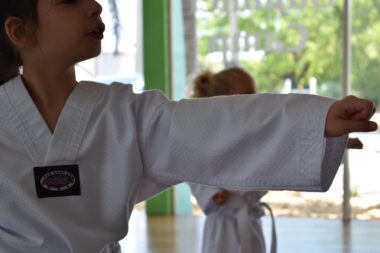

Balancing Fitness and Self-Defense Through Martial Arts Training
Martial arts training offers a unique blend of fitness and self-defense skills that provide individuals with both physical and mental strength. Engaging in these disciplines promotes a healthier lifestyle while teaching essential techniques for personal safety. Many traditional martial arts forms emphasize flexibility, agility, and endurance, which are crucial for overall well-being. Moreover, participants learn to harness their inner resilience, which encourages confidence and discipline. Fitness remains a cornerstone of martial arts training, but the aspect of self-defense provides a practical application for the skills acquired. Training often includes various drills that sharpen reflexes and improve body mechanics, turning theory into valuable practice. Classes typically cater to different fitness levels, ensuring everyone can participate actively. In martial arts schools and dojos around the world, students experience not only physical workouts but also a supportive community that fosters camaraderie. This holistic approach not only builds strong practitioners but also instills respect and discipline in individuals from all walks of life. As learning progresses, practitioners often develop a deeper appreciation for the culture and history behind their chosen martial art, further enhancing their journey in this empowering discipline.
In martial arts training, practitioners engage in an array of exercises designed to increase their physical prowess. A well-rounded fitness regime includes cardiovascular conditioning, strength training, and flexibility exercises. These elements contribute tremendously to improved performance in various martial arts techniques. By practicing regularly, students enhance their endurance, enabling them to execute prolonged movements without exhaustion. Core stability is also vital, as many martial arts techniques require strong core engagement for power and balance. Additionally, training with partners during drills fosters a sense of teamwork and collaboration. This dynamic environment plays a significant role in mastering self-defense techniques, as students must adapt to unpredictable human movements. The progression from novice to skilled practitioner is marked by increased physical capabilities and psychological resilience. Practitioners learn to confront their discomfort, pushing through barriers that might seem insurmountable. Furthermore, disciplined practice helps reduce stress and anxiety, contributing to overall mental health. The techniques learned serve not just in self-defense but also in everyday situations. This invaluable aspect of martial arts training further illustrates its importance in modern life, where self-reliance and personal safety hold great value in safeguarding oneself.
The Importance of Self-Defense in Martial Arts
Self-defense is a critical component of martial arts, equipping students with skills to protect themselves in potentially dangerous situations. Comprehending personal safety goes beyond physical techniques; it involves an understanding of one’s environment and the ability to recognize threats. In martial arts schools, instructors teach awareness and assertiveness, helping students develop instincts for self-preservation. The belief in protecting oneself fosters a sense of empowerment that resonates throughout one’s life. Learning self-defense is not restricted to physical strength; it emphasizes clever thinking and strategic responses. Techniques vary across different styles, highlighting the versatility of available methods for self-defense. Understanding how to leverage one’s strengths and exploit an attacker’s weaknesses is vital. Through rigorous training, students not only build physical proficiency but also gain mental acuity. The clear communication and understanding within the martial arts community cultivate a culture of safety. Students come to realize the significance of conflict resolution and avoiding escalation. Prioritizing self-defense skills not only elevates confidence levels but also encourages respect for others and oneself. Effectively practicing self-defense builds a foundation of knowledge that remains with individuals throughout their lives.
Incorporating martial arts training into a fitness regimen has numerous benefits that extend beyond the dojo. For many, traditional workouts can quickly become monotonous, but martial arts offer a dynamic alternative that keeps participants engaged. The structured environment of classes provides motivation, while the sense of accomplishment achieved through learning new techniques boosts self-esteem. This environment fosters an encouraging atmosphere where everyone, regardless of skill level, can thrive. Additionally, training in martial arts enhances coordination, balance, and reflexes, which translates into improved overall athletic performance. Through repetitive practice of movements, students experience subconscious muscle memory development. Such skills become invaluable in everyday scenarios, from participating in sports to daily activities. Importantly, martial arts foster social connections, as participants develop friendships through shared experiences. Engaging with fellow students enhances the training experience and supports personal growth. The journey of mastering martial arts also emphasizes the importance of patience and commitment. Achieving black belt status or personal milestones represents years of dedication and effort. This long-term investment not only brings physical benefits but also enriches one’s life by promoting a healthy mind and body.
Choosing the Right Martial Arts School
Selecting the ideal martial arts school or dojo is crucial for maximizing one’s training experience. Prospective students should research various styles, as each approach offers distinct advantages and challenges. Common martial arts styles include Karate, Taekwondo, Judo, and Brazilian Jiu-Jitsu, among others. When considering a school, the quality of instructors plays a significant role; experienced teachers foster learning through clear communication and nurturing guidance. Additionally, visiting a facility allows potential students to observe class dynamics and assess the environment. A welcoming and supportive atmosphere helps students feel secure during their training journey. Prospective students should also investigate class schedules and availability, ensuring the program aligns with their personal commitments. Furthermore, it is essential to evaluate the school’s reputation within the community and its emphasis on character development and discipline. Lastly, inquiring about student testimonials provides valuable insights into the school’s culture. As students embark on this empowering journey, choosing the right school aids in fostering commitment and longevity in their martial arts training, ultimately leading to a fulfilling experience. A strong foundation ensures that the lessons learned extend outside the dojo and into students’ daily lives.
Furthermore, martial arts training significantly contributes to the development of life skills that are foundational for personal success. Among these are discipline, focus, and respect, all of which are emphasized in various forms of training. Discipline plays a vital role in mastering techniques, as students must continually practice to hone their skills. This characteristic nurtures a work ethic that transcends the dojo, benefiting academic and professional pursuits. Focus is another critical component of martial arts, as students must concentrate on their techniques and movements. The ability to maintain composure while executing complex techniques becomes second nature over time. Respect, both for oneself and for others, is ingrained in martial arts philosophy, fostering a sense of community and understanding among practitioners. These core values serve as guiding principles throughout one’s journey in martial arts and contribute to overall personal growth. As practitioners progress through their respective ranks, they also experience an evolution of their understanding of responsibility and accountability. This holistic development encapsulates the essence of martial arts training, empowering individuals to become not just skilled martial artists but well-rounded individuals capable of managing life’s challenges.
Conclusion: Embracing a Martial Arts Journey
Ultimately, embracing a journey in martial arts enriches both physical fitness and self-defense capabilities. The structured training, combined with the values instilled in martial arts, creates a supportive environment that benefits practitioners holistically. Students of all ages find themselves drawn to the sense of community prevalent in dojos, leading to increased engagement, motivation, and accountability. It is in this environment that lifelong friendships flourish, encouraging shared experiences, and collective growth. As individuals progress, they embark on a path of self-discovery that translates into improved well-being and resilience. The cross-disciplinary benefits of martial arts extend into all areas of life, highlighting the essential link between physical health and mental strength. Whether one aims to learn self-defense techniques or seeks a fitness routine that keeps them moving, martial arts training delivers a comprehensive approach. As practitioners strive towards their personal goals, they not only improve themselves physically but also cultivate virtues that lead to a fulfilling life with purpose. In this journey, the integration of fitness and self-defense paves the way for empowered individuals, inspired to overcome challenges both on and off the mat.
The journey in martial arts encompasses more than mere techniques; it symbolizes a way of life. By fostering adaptability and perseverance, martial arts teaches invaluable lessons. Enthusiasts develop resilience, emphasizing the importance of continually striving for improvement, regardless of hurdles faced. This mindset influences personal relationships, professional aspirations, and the ability to adapt to life’s challenges. In addition, martial arts training influences overall community wellness by encouraging healthy habits among participants. As individuals become advocates for fitness and self-defense within their circles, they inspire others to join their journeys. Success in martial arts undoubtedly transcends physical proficiency, culminating in a broader understanding of one’s self and the world around them. Positive role models emerge from martial arts dojos, inspiring future generations. Such transformations echo beyond personal achievement as they contribute to healthier and more self-aware communities. The martial arts journey ultimately reveals that the true art lies in the harmony of mind, body, and spirit. This balance is what equips practitioners to thrive in their lives, ensuring that both fitness and self-defense remain integral elements of their identity. Through dedicated training, individuals unlock their potential and celebrate the multifaceted nature of martial arts.