
Wearable Technology in Triathlon Training
Triathlon training is intense and demanding, requiring athletes to focus not only on performance but also on recovery. Wearable technology has become a game-changer in training regimens. These devices provide athletes with vital metrics, enabling them to track various physiological markers during their journey. By monitoring heart rate variability, sleep patterns, and overall activity levels, athletes can optimize rest and recovery strategies. Wearables can significantly influence training outcomes, allowing for more informed decisions on training intensity and recovery duration. The integration of such technologies helps in understanding the balance between training stress and recovery periods. Furthermore, data-driven insights can guide athletes in assessing their fatigue levels accurately. Investing in wearable tech can empower athletes to enhance their performance while minimizing the risk of injuries. To maximize the benefits, it is essential for athletes to regularly interpret data from these devices collaboratively with their coaches. This ensures an intelligent application of findings into practical training adjustments. Consequently, recovery periods can align more closely with an athlete’s physiological needs, thus facilitating better outcomes in both training and competitions.
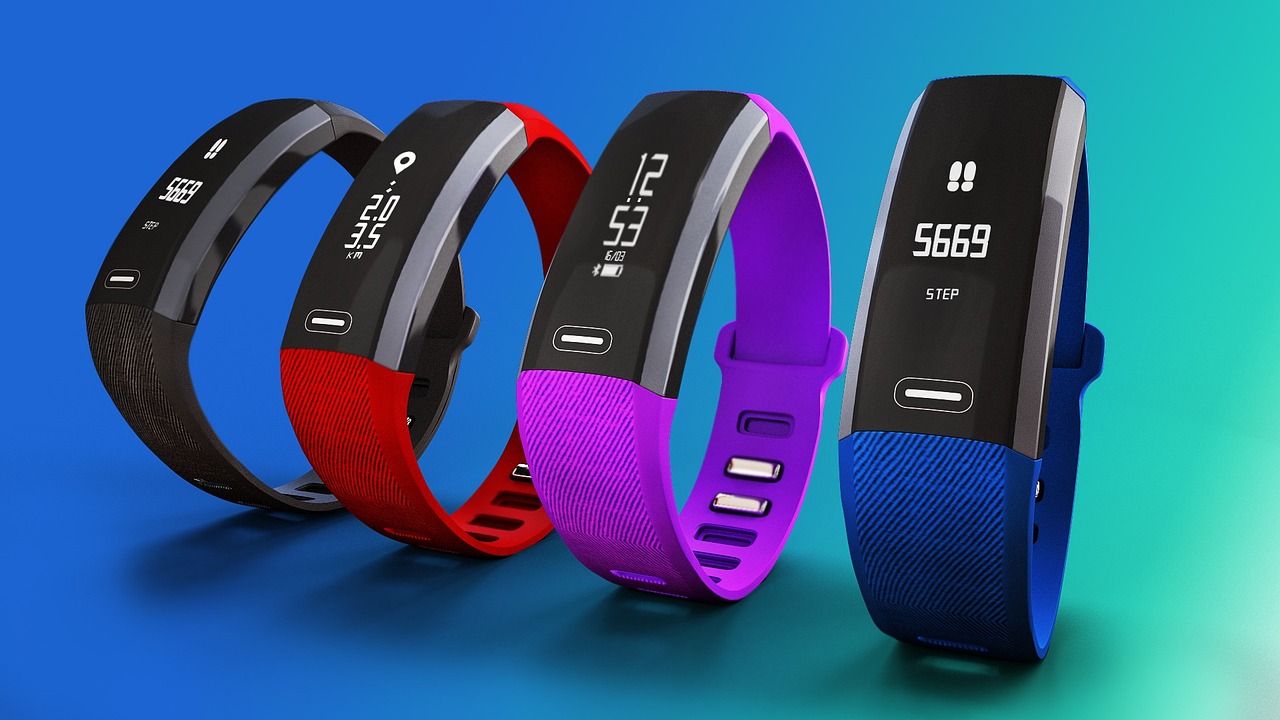
Among the many options available, wearable technology includes smartwatches, fitness trackers, and specialized heart rate monitors. Each device offers unique features tailored for different aspects of triathlon training. For example, many high-end smartwatches allow you to monitor your heart rate continuously, track your sleep quality, and measure your stress levels. Some devices also provide insights about your hydration needs and caloric expenditure based on activity levels. This is crucial since dehydration adversely affects recovery and performance. A fitness tracker can help assess your daily activity level, including the time spent resting versus training. Such features foster proactive recovery strategies, leading to improved training efficacy. Additionally, many wearables sync easily with mobile apps, allowing users to visualize their data in meaningful ways. This data visualization helps in comprehending patterns over time. Regularly tracking recovery metrics enables athletes to make informed adjustments to their training. Thus, wearable technology not only enhances workouts but also ensures athletes’ well-being. By efficiently managing both intensity and recovery, triathletes can try maximizing their potential without risking burnout or overtraining.
The Importance of Data in Recovery
Data collected from wearables serves multiple purposes beyond just monitoring progress. First and foremost, accurate data can highlight trends that may go unnoticed otherwise. Athletes can observe patterns in their mood, energy levels, and performance over time, which are critical identifiers of recovery status. For instance, if an athlete notices a decline in performance while also observing insufficient sleep, adjustments can be made to improve recovery strategies. Furthermore, wearables that track the quality of sleep can guide athletes on adjusting sleep hygiene practices. Studies suggest that quality sleep greatly impacts athletic performance and recovery outcomes. Properly timed recovery sessions are essential in maximizing training gains. Wearable devices can remind users when to engage in recovery techniques such as stretching or light workouts. This proactive approach reduces the risks associated with both mental and physical fatigue. In that light, wearables empower athletes to prioritize recovery as an integral component of their training regimens. Consequently, athletes who utilize data effectively experience improved readiness for competitions, resulting in enhanced performance levels during important events.
One fascinating aspect of wearables is their ability to provide instant feedback, helping athletes to modify their training in real-time. For example, elevating heart rates during certain training sessions can indicate excessive exertion, suggesting the need for an immediate break or a lighter approach for the day. This kind of feedback comes in handy when athletes are tempted to push through fatigue. Wearables can gently nudge users toward necessary rest periods, ultimately promoting long-term health. Beyond just monitoring exertion levels, these devices can remind athletes to hydrate and refuel during training sessions. Proper nutrition and hydration are vital for successful recovery. Wearables can also track how recovery activities like foam rolling positively impact workout performance. Tools allowing for user feedback enhance the value of the device. Athletes can log their subjective feelings of fatigue or soreness, which can enhance the understanding of how their body responds to various stresses. It connects the data collected to actionable insights, fine-tuning recovery plans on the go. Such immediacy empowers athletes to make informed choices, significantly benefiting their training journey.
Integration with Coaching
Coaching has largely evolved due to advancements in wearable technology. Coaches can now receive real-time data to assess their athletes’ states and tailor their guidance accordingly. Athletes can share their metrics seamlessly with coaches, allowing for discussions based on factual information rather than just anecdotal evidence. This data-driven approach enhances communication and fosters trust in the training process. Additionally, coaches can detect signs of overtraining or fatigue before they become problematic, allowing for timely interventions. Implementing recovery strategies based on wearable data makes training schedules more adaptable to the athlete’s condition. Moreover, the integration of wearables with platforms such as TrainingPeaks enables comprehensive data analysis. These platforms generate reports consolidating various metrics, providing valuable insights for long-term planning. Customizing recovery strategies is crucial, and wearables facilitate that. This evolution in coaching dynamics can lead to better athlete-coach relationships. Consequently, training becomes more personalized, unveiling pathways that improve recovery and performance outcomes. As a result, athletes become more resilient, armed with enhanced knowledge about their own recovery processes.
Another significant consideration is the adaptation of wearables in triathlon-specific training. The demands of triathlons are multifaceted, requiring tailored recovery approaches that consider swimming, biking, and running. Wearables equipped with multi-sport tracking capabilities can promote effective recovery strategies across disciplines. For instance, recovery practices may differ after intense cycling sessions compared to running. Observing how each sport’s strain affects athletes’ physiological states enables them to customize recovery techniques appropriately. Multifunctional wearables that adapt to different sports allow athletes to analyze performance across various settings, tracking metrics pertinent to each discipline. Furthermore, wearables can support stress-reducing recovery methods such as yoga or meditation, monitoring heart rate and breath patterns. These adaptive features enhance overall recovery protocols that span multiple sports, addressing the unique challenges of triathlon training. By adapting recovery techniques to specific activity types, athletes can maintain optimal readiness for ongoing training demands. This adaptability represents the essence of modern recovery strategies, marrying innovation with user-friendly monitoring methods that respond to the athlete’s environment.
Future Trends in Wearable Technology
The future of wearable technology in triathlon training looks promising. As technology advances, devices will become increasingly sophisticated, offering more accurate metrics while remaining user-friendly. Future wearables might incorporate artificial intelligence to deliver personalized recommendations based on collected data. AI is expected to identify emerging trends in recovery needs, even suggesting tailored training modifications. Furthermore, advancements in sensor technology may enhance data accuracy regarding hydration levels and nutrition balance. Continuous integration of wearables with mobile applications will make it even easier for triathletes to access their health metrics at any time. With smart fabric technology, we may see wearable tech seamlessly integrated into clothing, opening new avenues for monitoring performance metrics without wearing bulky gadgets. Moreover, augmented reality features may allow athletes to visualize real-time recovery metrics during training. These advancements could redefine how recovery is approached in sports. Ultimately, the convergence of scientific research and technological innovation is likely to benefit triathlon athletes enormously. Innovation will increasingly empower them in their quest for optimal performance while placing a significant emphasis on the critical aspect of recovery.
In summary, wearable technology emerges as a vital component of rest and recovery in triathlon training. The range of available devices provides unique insights into various metrics that directly impact an athlete’s performance. By leveraging real-time data and receiving accurate feedback, athletes can make proactive adjustments to their training regimens effectively. Understanding the critical balance between exertion and recovery not only improves physical performance but also mental well-being. Emphasizing the importance of data-driven coaching can significantly enhance the athlete-coach relationship, allowing for customization and personalization of training plans. As technology continues to evolve, the future holds exciting possibilities for optimizing recovery practices. With cutting-edge innovations, athletes will be equipped to enhance their preparation for competitions while maintaining long-term health. Focusing on recovery strategies becomes an integral part of holistic training regimens. Consequently, integrating wearable technology within triathlon training signifies a shift toward a more knowledgeable and sustainable approach to performance optimization. Ultimately, these advancements are poised to redefine how recovery is understood and approached in the world of triathlon.